
The blog
The CS2 skin market, taken seriously.
Market analysis, crash retrospectives, the stories behind the grails, and guides for stacking with discipline — written for players who already know what a float value is.
Automation & strategy
What Is Case Stacking? The CS2 Strategy Explained
Case stacking — accumulating sealed CS2 cases over time — explained from zero: why cases, why supply shrinks, and what stacking actually looks like.
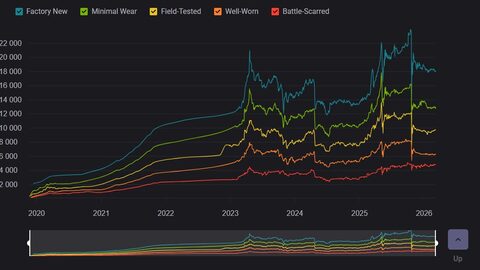
Case Stacking Returns: What the Numbers Actually Show
Historical price paths of major stacked cases — what compounding looked like, hedged with the crashes along the way.
Case Stacking vs Sticker Capsule Bets (the Stockholm 2021 Lesson)
Stockholm 2021 capsules made legends and bagholders. Cases made steady stackers. Comparing the two risk profiles honestly.
Risk Management for Case Stackers
Position sizing, diversification across cases, Valve policy risk, and why a budget cap is the most underrated risk tool.
Case Stacking vs Stocks: An Honest Comparison
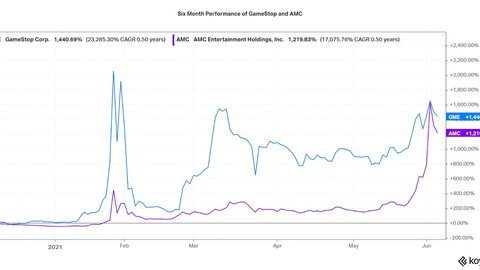
Skins returned more than the S&P for long stretches — with 10x the volatility and 100x the platform risk. The full picture.
One Case or Five? How Many Cases to Stack (With a Worked Example)
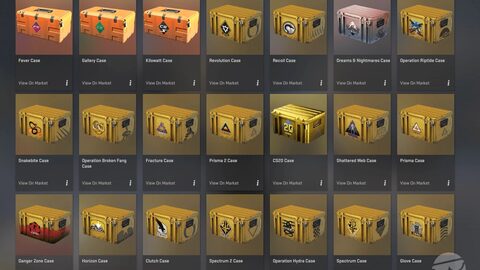
Concentration vs diversification for case stackers, shown with a concrete $20/day split across 1, 3, and 5 cases.
When to Sell a Case Stack: Exit Strategies That Don't Rely on Luck
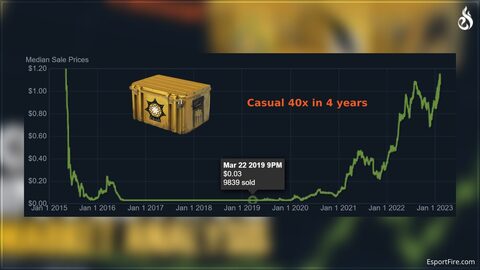
Taking profit in tranches, 2-3x ladders, and why 'never selling' is also a strategy — if it's chosen, not defaulted into.
The Boring Logistics of Case Stacking: Inventory, Trade Holds, Storage
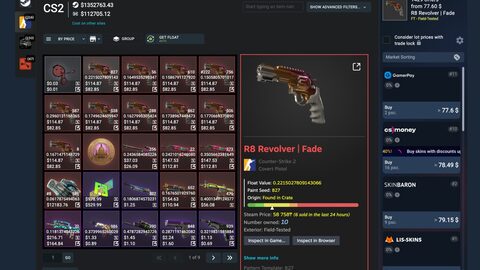
Where your 1,000 cases actually live: marketplace balances, trade holds, Steam inventory limits, and withdrawal hygiene.
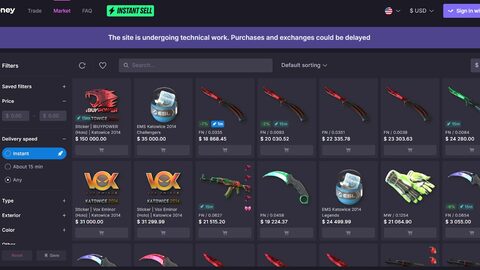
CS2 Skin Sniping: How Underpriced Listings Get Caught
What sniping is, why mispriced listings exist, and the three ways people catch them — manual refresh, alerts, and automation.
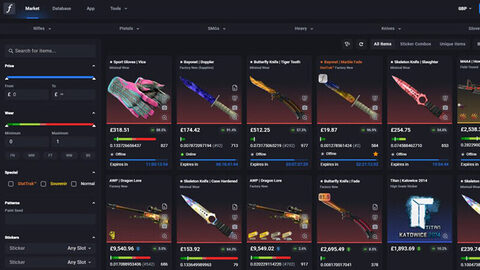
Sniping Without Watching: Price Caps as Standing Orders
The laziest working snipe: a daily bot with a hard max price per item. If the market dips under your cap, you own it — no screen time.
Sniping vs DCA: Which Actually Makes Money?
One strategy needs you online at 3am. The other needs a config file. Comparing realized edges, honestly.
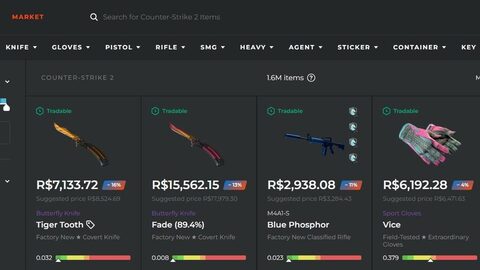
Cross-Market Price Lag: Where Snipes Come From
EUR marketplaces reprice slower than USD ones. Fee differences distort listings. Why the same case has three prices at once.
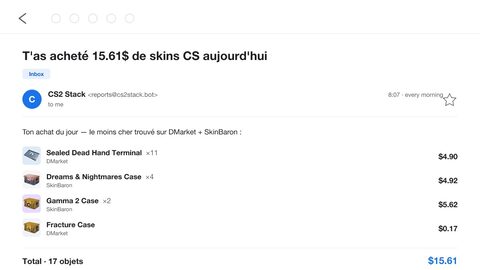
cs2stack: An Automated Buying Desk for CS2 Cases
What the tool actually does every morning: compares marketplaces, buys within budget, logs every cent, emails the receipts.
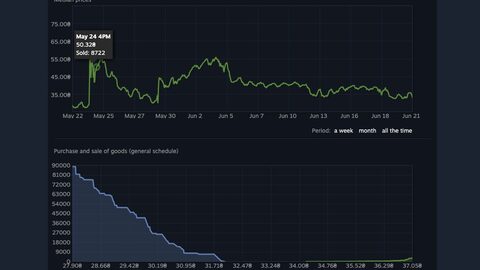
CS2 Trading Bots: What You're Actually Paying For
Fees, spreads, subscriptions, API costs — the real cost stack of automated skin buying, and what's worth paying.
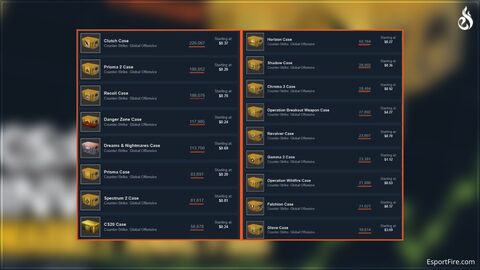
Automating CS2 Case Buys Without Overpaying
Automation that overpays is worse than no automation. The four guardrails: price caps, marketplace comparison, budget ceilings, audit logs.
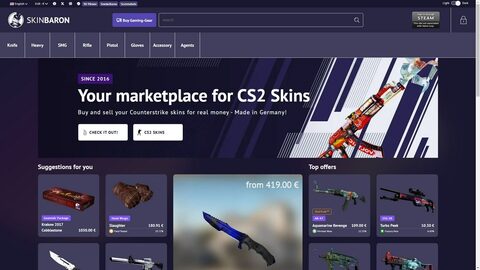
How an Automated Buyer Picks the Cheapest Listing (Every Time)
Under the hood of one automated purchase: price both marketplaces, convert EUR fairly, respect the cap, buy, verify, log.

Kill Switches and Hard Caps: Safety Engineering for Buying Bots
A bot with your wallet needs brakes. Dry-run defaults, hard caps, idempotent re-runs, and audit trails — what good looks like.
API Keys and Skin Tools: A Security Primer
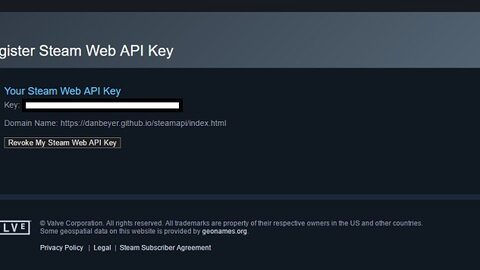
Marketplace API keys can spend your balance. How to scope, store, and rotate them — and what never to paste anywhere.
DCA as Portfolio Protection in the Skin Market
Skins crash 30% on a patch note. DCA is how you make volatility work for you instead of against you.
Buying Through a Skin Market Correction (Without Flinching)
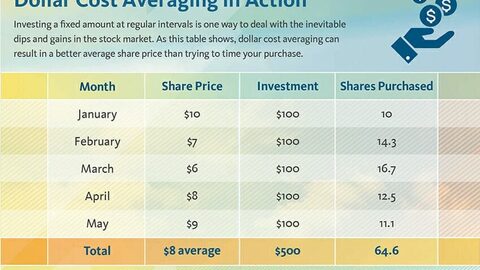
What a DCA schedule does during a 25% drawdown — and why the buys you hate making are the ones that pay.
Taking Profit in a Skin Bull Run: Ladders, Tranches, Discipline
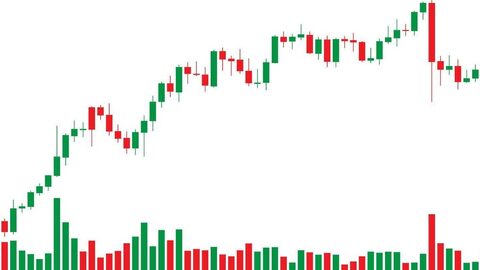
When everything is up 3x, the plan you wrote in the bear market is the only friend you have.
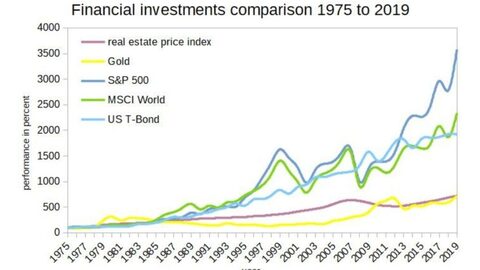
Lump Sum vs DCA for CS2 Skins: The Math and the Sleep
Lump sum wins on average in rising markets — and loses careers in update-driven crashes. Where each belongs in skins.
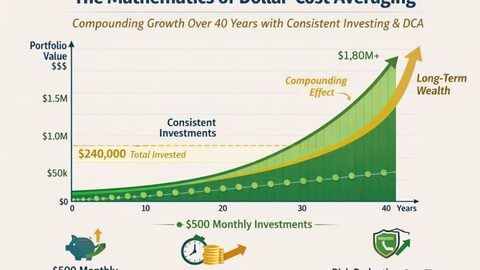
Entry Smoothing: Why Your Average Price Is the Whole Game
In an asset you can't value fundamentally, your cost basis is your only edge. How smoothing builds it.
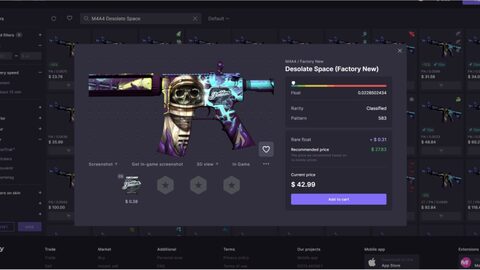
Every CS2 Investing Strategy, Compared
DCA, lump sum, sniping, event plays, arbitrage, trade-up grinding — one honest table of edge, effort, and risk.

Event-Driven Skin Plays: Majors, Operations, and Update Risk
Buying ahead of Majors and updates: the highest-beta strategy in skins, and how to size it like a professional.
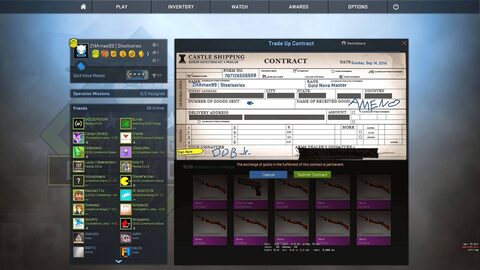
Trade-Up Grinding as an Investment Strategy
Contracts turn 10 cheap skins into one better one. Grinders turn spreadsheets into rent. What the strategy demands.
Passive vs Active Skin Investing: Picking Your Lane
Most people should be passive stackers. Some should trade. Almost nobody should do both with the same money.
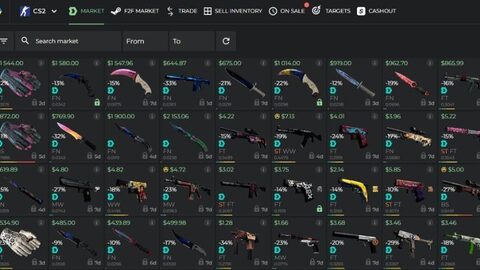
Multi-Marketplace Arbitrage in CS2: A Field Guide
The same case trades at three prices across venues. Who closes those gaps, how, and what's left for a retail bot.
Buy-Side Arbitrage: The Free Lunch Retail Actually Gets
You can't always resell across venues — but you can always BUY on the cheap one. Routing as passive alpha.
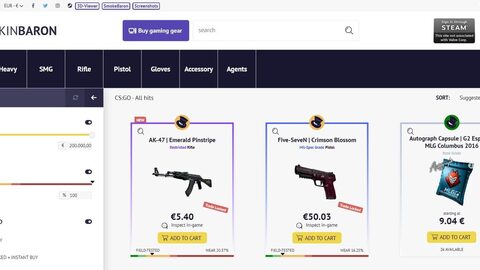
EUR Marketplaces, USD Brains: FX in Skin Pricing
SkinBaron prices in euros. Your ledger thinks in dollars. How fx moves quietly change which venue is cheapest.
Scanning Case EV: Which Cases Are 'Too Cheap' Right Now
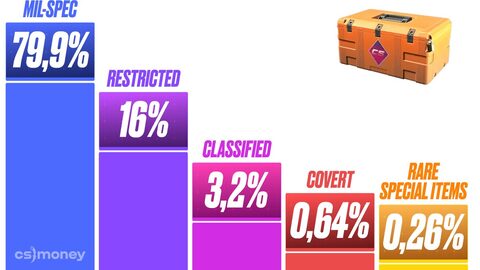
Opening EV vs case+key cost is a valuation floor. When a case's EV exceeds its price, someone will buy it — arbitrage logic for stackers.
Starting CS2 Investing With $100
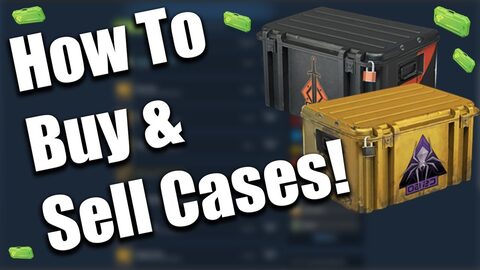
A realistic $100 plan: which cases, what cadence, what to expect in 3, 6, 12 months — no lambo math.
Scaling a Skin Portfolio From $100 to $10k Without Blowing Up
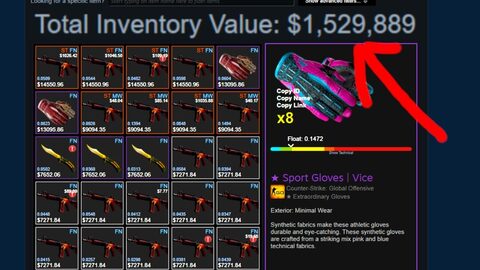
Scaling rules: raise budget on schedule (not on euphoria), keep position caps, take profit at multiples, keep dry powder.

Daily, Weekly, or Monthly Buys? Choosing Your DCA Cadence
Cadence changes your average price less than you think and your discipline more than you think.
Getting Started With Automated Case Buys (in One Config File)
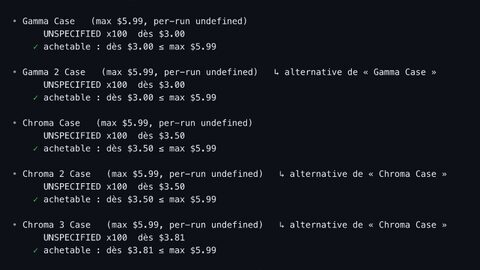
From zero to a daily automated buy: one file that says what to buy, a budget line, and safety caps. That's the whole setup.
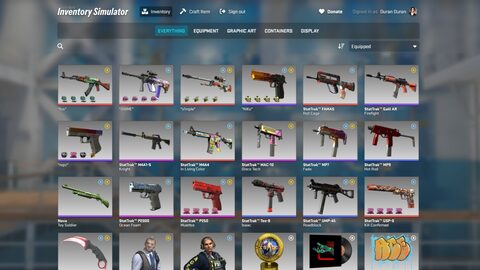
Your First 30 Days of Automated DCA: What to Expect
Day 1 nerves, day 7 boredom, day 30 ledger: an honest diary of what automated accumulation feels like.
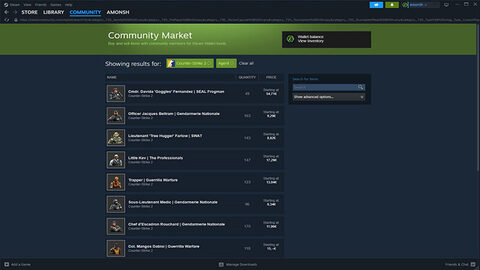
Buying CS2 Skins Manually vs DCA: Which Actually Wins?
What each approach costs in hours, what it does to your average entry price, and why most manual plans quietly die by month two.
Manual vs Automated CS2 Buying: The Numbers
Missed days, worse fills, fat-finger buys: quantifying what manual buying costs vs a bot, with worked estimates.

Why Manual Buyers Switch to Automated DCA
The pattern: three missed weeks, one overpaid panic buy, then the spreadsheet dies. What automation fixes — and what it doesn't.

The Spreadsheet Phase: Every Skin Investor's Rite of Passage
You will build a tracking spreadsheet. It will be glorious. It will be abandoned in six weeks. What comes after.
The Hidden Time Cost of Manual Skin Trading
Fifteen minutes a day is 90 hours a year. Price your time and half of manual trading strategies stop making sense.
Budget Caps: The One Setting That Makes Bots Safe
Per-day budgets, per-item allocations, and hard ceilings — how layered caps make an automated wallet boring (in the good way).
Max-Price Lines: Never Overpay by Design
A max price per item turns a bot from a market-order cannon into a standing limit order. The single most protective setting.
An Audit Trail for Your Skin Buys: Why Ledgers Beat Memory
Every buy, every cent, every marketplace, timestamped and committed. What a money-exact ledger unlocks.
Why Good Bots Never Buy Twice
Re-run a broken script and buy the same case twice? Idempotency is the difference between a tool and a hazard.
Balance Alerts: Never Let the Bot Starve
Automated buying dies silently when the wallet hits zero. Alerting on 'can't cover the next run' keeps the streak alive.
Running Multiple Investment Plans From One Config
$20/day on liquid cases AND one expensive case per week: independent plans, independent budgets, zero interference.
Standing Orders for Skins: 'Buy 1 Per Week' as Code
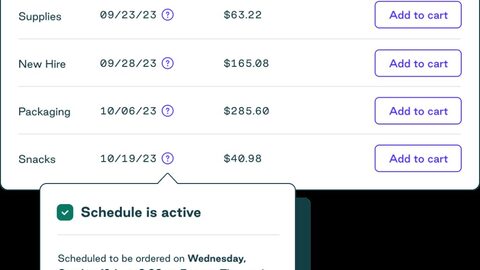
Some items deserve a fixed cadence, not a budget share. Quantity-based standing orders explained.
Buying the Cheapest of a Family: The || Trick
Gamma or Gamma 2? Wrong question. Buy whichever is cheaper today, automatically, under one budget.
Why New Items Should Start at Zero (No Retroactive Catch-Up)
Add a case to your list and a naive bot 'catches up' weeks of budget in one violent buy. Good allocators start fresh.
Equal-Split Allocation: Boring, Fair, Correct
How a daily budget should divide across items — and the subtle bugs (retroactivity, hoarding) that break fairness.
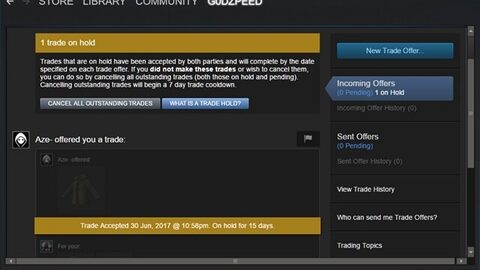
Trade Holds: Why Your Purchases Arrive Late (and That's Fine)
Bought today, tradable next week. How holds work across venues and why stackers shouldn't care.
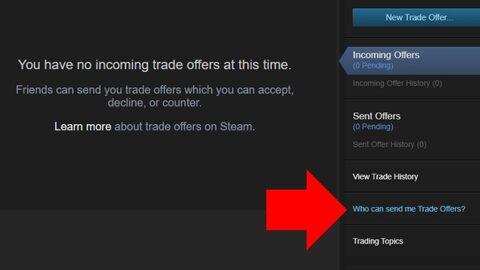
Where Are My Cases? Tracking Buys From Purchase to Steam Inventory
Bought does not mean delivered. Reconciling marketplace inventories, pending trades, and your Steam inventory automatically.
The Three Emails an Investing Bot Should Send
Receipts, performance, and alarms. Everything else is spam you'll filter in a week.
Dry Runs: Rehearsing With Real Prices and Fake Money
Every config change should be replayable without spending. The preview-run pattern for money bots.
Why Your Bot Missed a Day: Scheduling Reliability in the Cloud
Free schedulers fire 'eventually'. What it takes to buy at 6:07 every single morning.
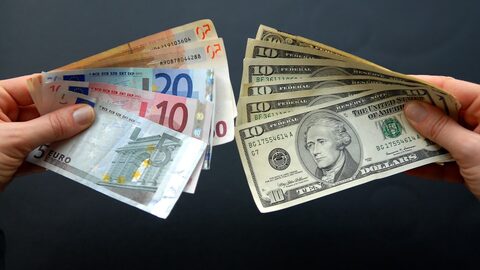
Converting EUR Listings Fairly: Small Detail, Real Money
Compare a 2.39 EUR listing to a $2.70 one wrongly and you overpay forever. Daily fx re-rating in buying bots.
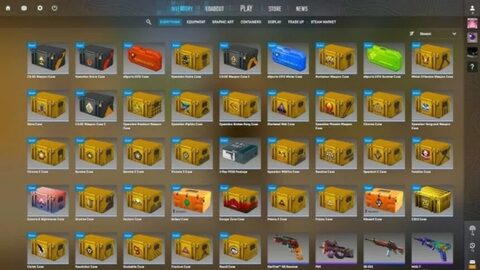
How to Choose Which CS2 Cases to Buy
Liquidity, drop status, knife pool, price floor mechanics — a practical checklist for picking cases worth stacking.
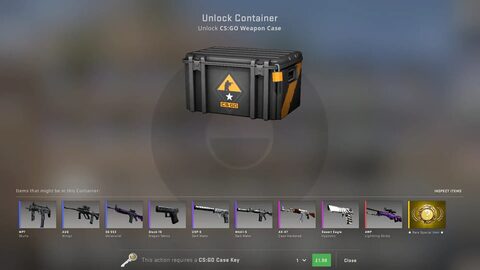
Cheap Active Cases vs Discontinued Classics
The $0.40 case and the $116 case are different assets. Volume plays vs scarcity plays, and how to hold both.

The Knife Pool: Why It Anchors Every Case's Value
0.26% of opens, most of the EV. How the rare pool props up case demand — with the Oct 2025 contract update as proof.
Case Supply Mechanics Every Stacker Should Know
Drops, rotations, and removal from the active pool: the supply schedule that quietly powers case appreciation.
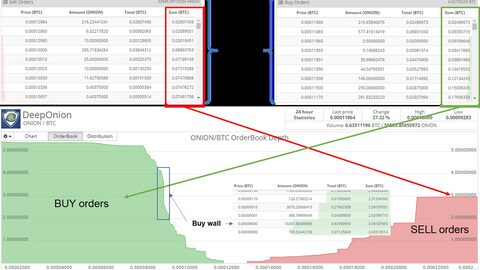
Liquidity First: The Investor's Filter Nobody Markets
If you can't exit 100 units without moving the price, you don't own an investment — you own a listing.
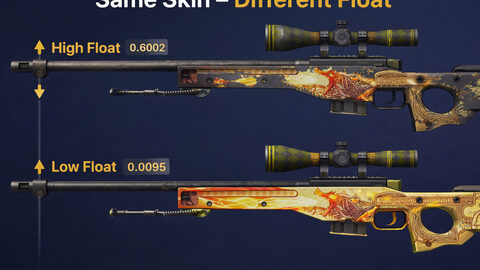
Float and Wear for Buyers: What Actually Matters
Floats obsess traders and barely matter for sealed-case stackers. Where wear knowledge pays and where it's noise.
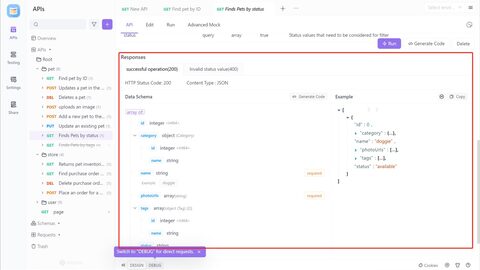
The Skin Market's Data Stack: What's Free, What's Good
Price APIs, float databases, item datasets: the data sources automated tools actually run on.

Valve Risk: Investing in a Market One Company Controls
Every skin thesis has the same footnote: Valve can change everything with a patch. Living with single-publisher risk.
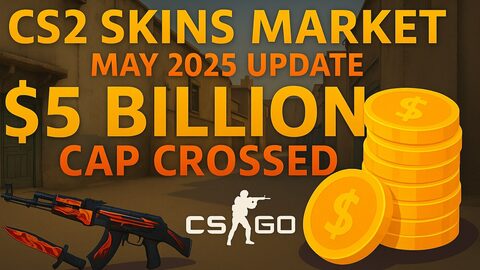
Surviving Skin Market Crashes: A Stacker's Playbook
Drawdowns are scheduled events in this market. The playbook: keep buying, keep records, keep small.
Automation as FOMO Insurance
The market pumps, Twitter screams, and your bot just buys its boring $20. That's not a bug.
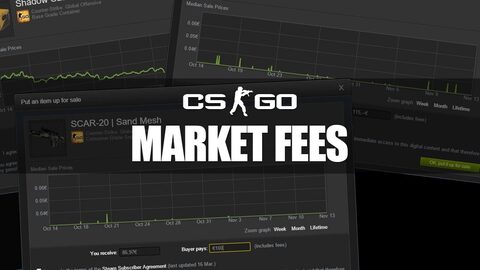
Overtrading: How Skin Traders Donate Their Edge in Fees
Every flip pays 8-15% in fees and spread. The math of churn, and why lazy portfolios win.
Skin Profits and Taxes: The Unsexy Chapter
Cash-outs are taxable events in most places. What records you need and why an automated ledger saves you in April.
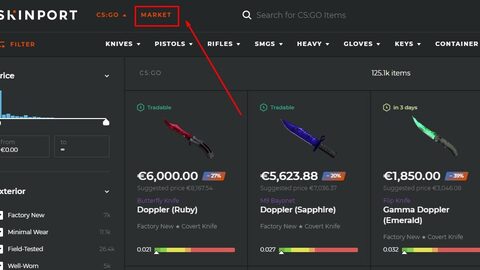
Cashing Out: From Steam Wallet Fiction to Real Money
Steam wallet value isn't money. The real exit paths, their fees, and their holds.

Marketplace Risk: When the Venue Is the Weak Link
Platforms froze, exit-scammed, or just died. Spreading balances and withdrawing regularly as basic hygiene.
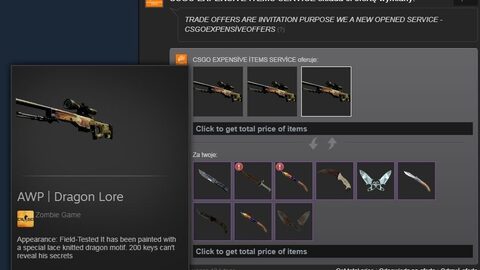
The Scam Patterns Every Skin Investor Eventually Meets
API-key phishing, fake trade offers, impersonators, 'price check' DMs — pattern recognition beats paranoia.
Cost Basis: The Number That Decides If You're Actually Up
Most holders don't know their real average. Tracking cost basis per item, per venue, per currency.
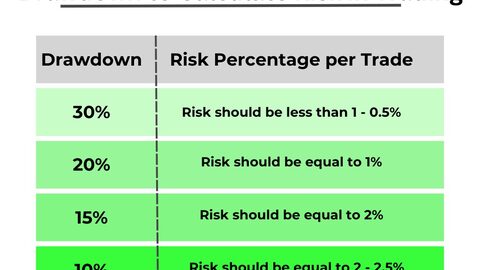
Drawdown Math: Why -50% Needs +100%
The asymmetry every volatile-asset holder must internalize, applied to skins' update-driven cliffs.
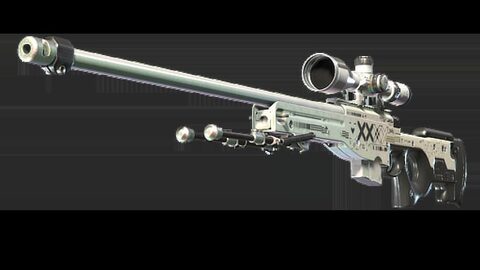
DCA Bots vs Sniper Bots: Different Tools, Different Jobs
One accumulates positions on a schedule; the other races for mispriced listings. Comparing goals, costs, and risks.

Price Alerts vs Automated Buys: Why Alerts Don't Get Filled
The alert fires at 3am. You're asleep. The listing is gone by coffee. Alerts inform; automation executes.
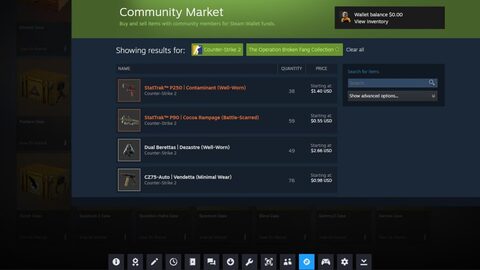
Buying on Steam vs Cash Marketplaces: The 30% Question
Steam wallet prices run far above cash prices. Where each venue makes sense for an accumulator.
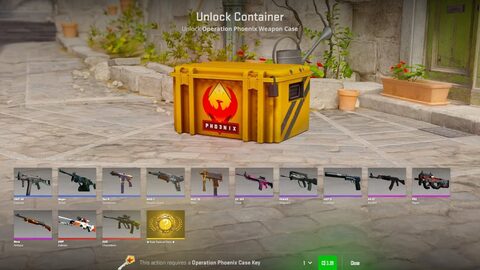
Open or Hold? The Only Case Question Normies Ask
Unboxing is negative-EV entertainment. Holding is the boring trade that funded it. Both answered with numbers.
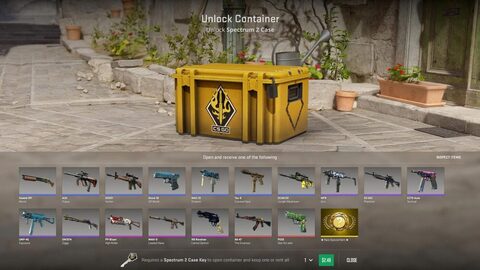
The $20/Day Experiment: Running a Public Case-Stacking Account
One account, $20 every morning, receipts committed to git. What building in public looks like in the skin market.
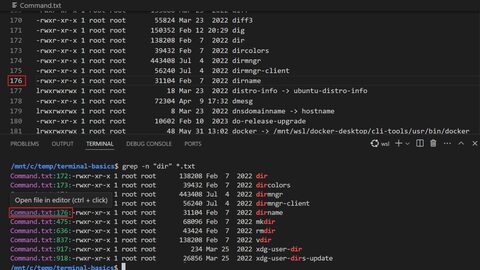
Anatomy of One Automated Purchase (Receipts Included)
06:07: wake. 06:07:30: compare venues. 06:08: buy 12 items across 2 marketplaces. 06:09: email the ledger. A real morning, dissected.
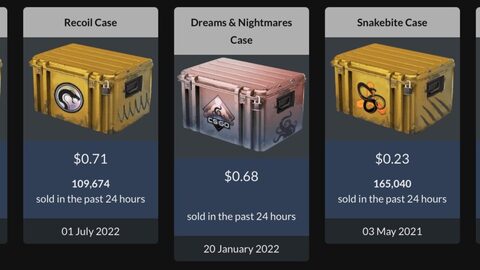
Building a Case Ladder: From $0.40 Fillers to $116 Anchors
A concrete multi-tier portfolio: cheap volume cases, mid knife-chase cases, one expensive scarcity anchor.
What 100 Days of Case DCA Actually Looks Like
Copies accumulated, average price vs spot, skips, holds, and the two red weeks that made the average.
Rebalancing a Skin Portfolio Without Overtrading
When one case 3x's, your allocation drifted. Rebalancing rules that don't feed the fee monster.
DCA Into Strength or Weakness? Tilting Your Schedule
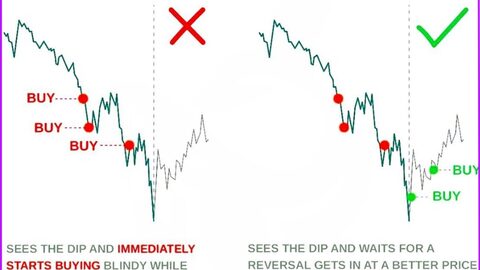
Pure DCA ignores price. Tilted DCA buys slightly more on red days via price caps. The middle path.
When to STOP Buying a Case
Theses die: drop pools rotate, updates land, liquidity dries. Exit criteria for the accumulation phase.

Time Horizons in Skin Investing: 6 Months Is Gambling
Case appreciation is a multi-year supply story. Matching strategy to horizon, honestly.
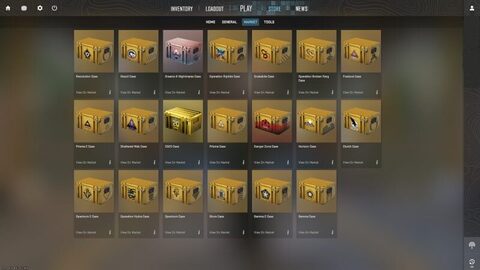
Compounding a Small Budget: $5/Day Is Not Nothing
$5/day at historical case appreciation rates, with fees and crashes included. Small stacks grow up.
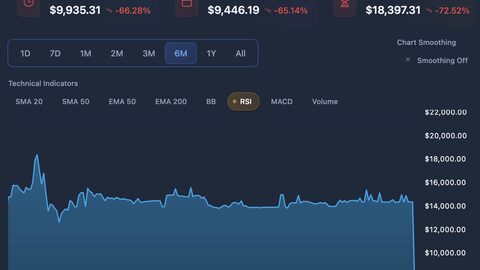
Bear Markets Are for Stackers
Nobody brags about buying in drawdowns. That's when the average gets made. The accumulation case for ugly months.
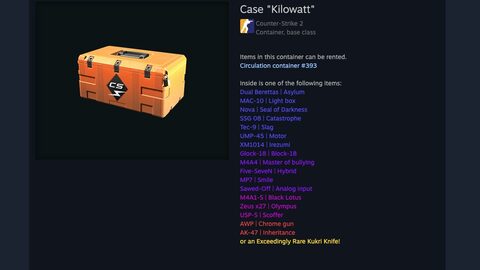
Verify Before You Buy: The 'Gamma 3 Case' Problem
A typo'd item name means a silent dead line — or a wrong buy. Validating names against live markets first.
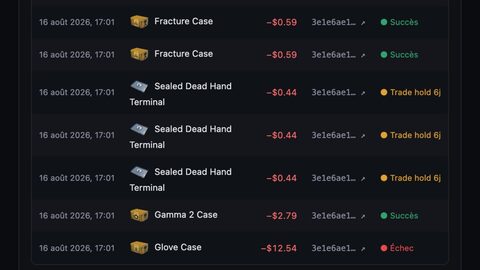
How to Read an Automated Buy Report
Spent, remaining, balances, skips, holds: a two-minute morning read that replaces an hour of dashboarding.
Budgeting for Skin Investing: The Entertainment-Money Rule
Skins are a high-risk sleeve. Sizing it like entertainment money keeps the downside survivable.

Tax Season With an Automated Ledger: 20 Minutes, Not 20 Hours
Export the ledger, sum realized exits, attach receipts. What good records turn April into.

The 12 Most Expensive Mistakes in Skin Investing
From buying at Steam prices to selling the bottom after a patch: the tuition other people already paid.
Open-Ledger Investing: Receipts or It Didn't Happen
Every cs2stack buy is committed to a repo. Why radical auditability beats performance screenshots.
Five Things a Skin-Buying Bot Should Never Be Allowed to Do
Sell without asking. Exceed the day's budget. Buy unverified names. Run without a ledger. Hide failures.
Automation Doesn't Pick Winners. You Do.
A bot executes your list flawlessly — including a bad list. Separating execution alpha from selection alpha.
The Skin Investing Glossary: EV, Float, DCA, Trade Hold & Friends
Forty terms that gatekeep the skin economy, defined in one page you can send to anyone.
Case Stacking FAQ: The 15 Questions Everyone Asks First
Is it legal? Is it gambling? What if Valve bans it? How much money? When do I sell? Answered without hype.
Price Floors: Why Cheap Cases Rarely Go to Zero
Unboxing demand + key economics create soft floors under case prices. Where floors sit and when they break.
Slippage in Small Markets: Why Your Size Is a Strategy
Buying 500 of a thin case moves the price you pay. Order-splitting across days IS the institutional trick, free.
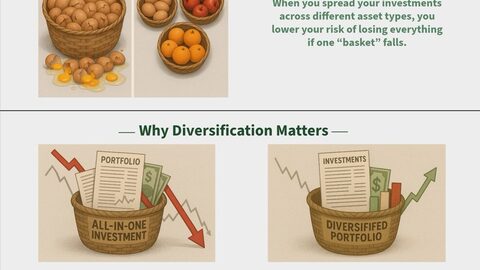
Diversifying Inside a Skin Portfolio (and Its Limits)
Five cases are less correlated than one — until a Valve patch correlates everything to 1. Real diversification math.
Investing guides
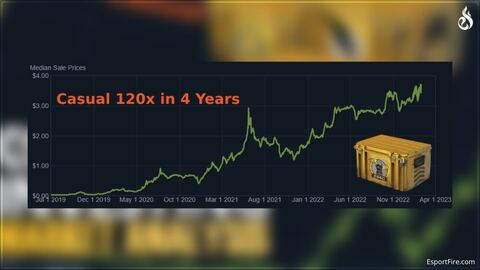
Dollar-Cost Averaging Into CS2 Cases: The Complete Guide
Why buying a little every day beats timing the market — the strategy, the math, and the mistakes to avoid.
How to Make Money on the CS2 Skin Market (Realistically)
The five methods that actually work, what each one pays per hour, the myths that lose money, and how to pick a lane.
CS2 Case Investing in 2026: A Complete Starter Guide
Everything a skin-literate player needs to start treating cases as a position: picking, buying, storing, exiting.
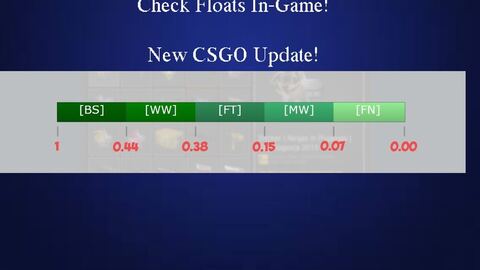
Float Values Explained: The Decimal That Moves Thousands
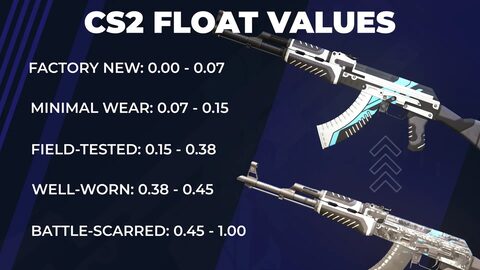
0.0001 of float can double a price. How wear values work and why traders obsess over them.
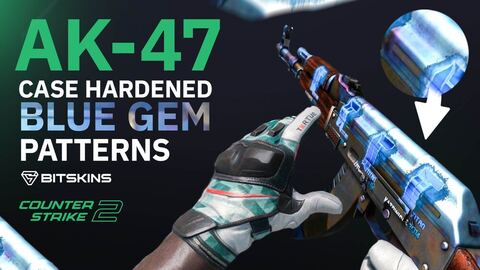
Pattern Seeds Explained: Blue Gems, Fades, and Full Webs
Why two identical skins can differ 1000x in price — the pattern system that creates hidden rarity.
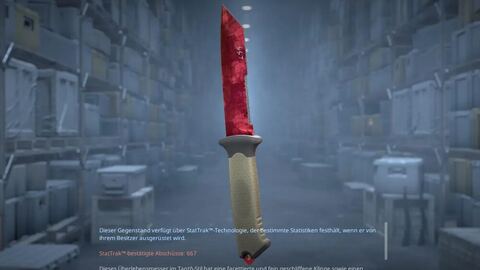
StatTrak: What the Orange Counter Is Really Worth
The StatTrak premium varies wildly by item class. When the counter matters and when it hurts value.
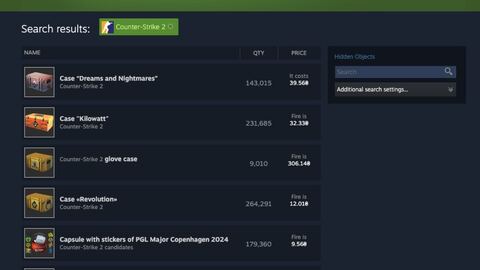
Steam's 15% Cut: How Market Fees Shape Every Trade
Valve takes ~15% of every Steam Market sale and the money can never leave. The full implications.
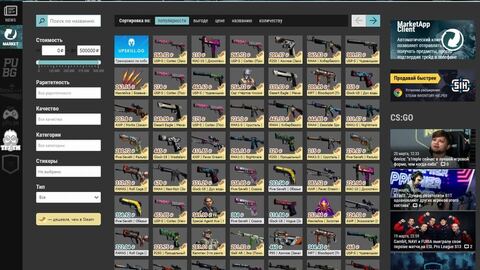
CS2 Marketplaces Compared: DMarket, SkinBaron, CSFloat & Co
Fees, liquidity, cash-out options, and trust — an honest comparison of the major third-party venues.
Trade Locks Explained: Why Your Skin Is Stuck for a Week
The 7-day trade hold shapes market microstructure more than most traders realize.
Storage Units: The $2 Vault Every Case Investor Needs
1,000 items per unit, unlimited units — how storage containers work and the inventory ops of serious holders.
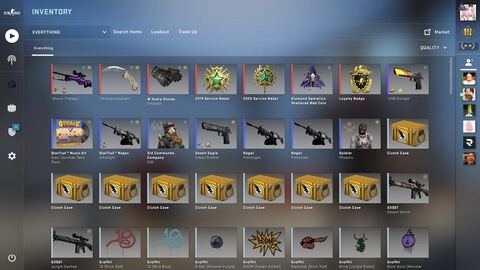
Diversifying a Skin Portfolio: Cases, Capsules, and Grails
Concentration built fortunes and destroyed them. How to spread risk inside a single game's economy.
How to Actually Value a CS2 Skin
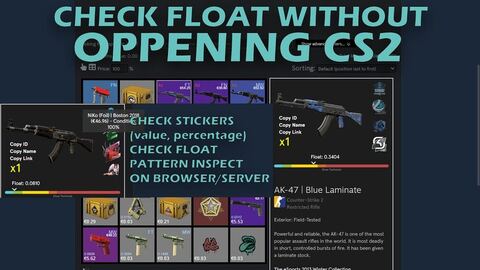
Between Steam listings, Buff prices, and pattern premiums — a practical valuation framework.
Opening Cases vs Buying Skins: The Math Nobody Wants
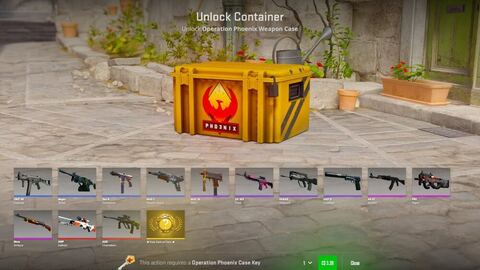
The expected value of opening a case is brutally negative. The math, and what to do instead.

Skins and Taxes: The Questions Every Trader Eventually Asks
Cash-outs can be taxable events. A general orientation (not advice) on how jurisdictions tend to treat skin gains.
The Scams That Empty CS2 Inventories (and How They Work)
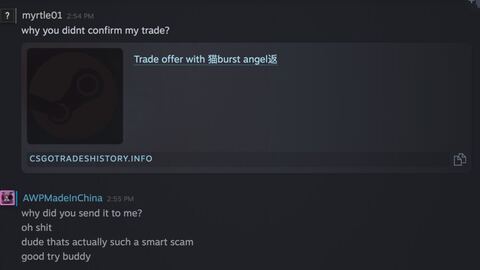
API key hijacks, fake trade bots, impersonators, quick-switch — the standard scam catalog, dissected for defense.
The Data Stack of a Serious Skin Trader
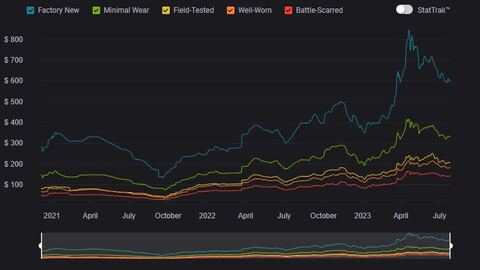
Price aggregators, float checkers, inventory trackers — the tools that turn gut feel into a dashboard.
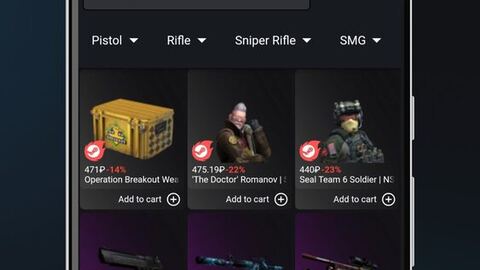
When to Sell: Exit Discipline for Skin Holders
Everyone plans the entry, nobody plans the exit. Frameworks for taking profit in an asset with no fundamentals.
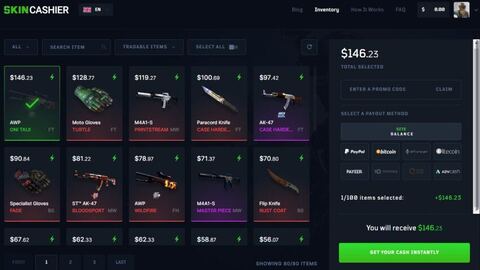
Cashing Out of CS2: Turning Pixels Into Bank Balance
The legitimate paths from inventory to bank account, their costs, and the mistakes that get people scammed.
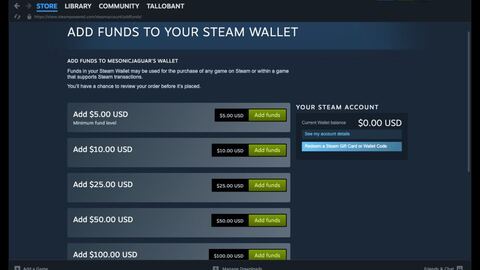
Steam Wallet Dollars Are Not Dollars
The 20-30% haircut between Steam prices and cash prices, and how to think in real-money terms.

Ten Mistakes Every New Skin Investor Makes
Overpaying on hype, ignoring fees, opening the cases — the standard tuition new investors pay, so you don't have to.
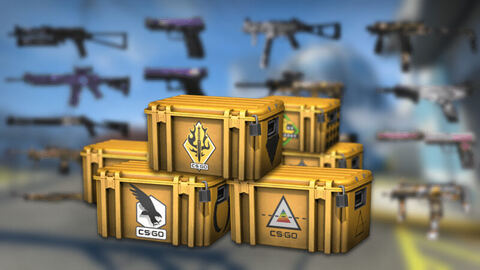
Building a Case Ladder: A Budget-Tiered Buying Plan
A practical structure for accumulating cases across price tiers — from 30-cent floaters to Bravo-tier blue chips.
Market analysis
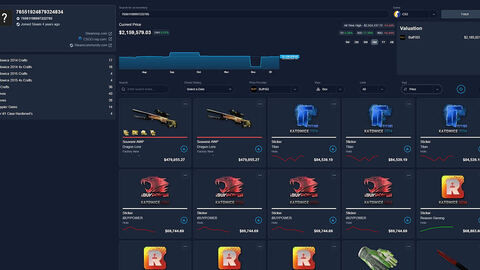
How Big Is the CS2 Skin Market in 2026?
Estimates of the total CS2 skin market cap, daily trading volume, and why nobody can measure it precisely.
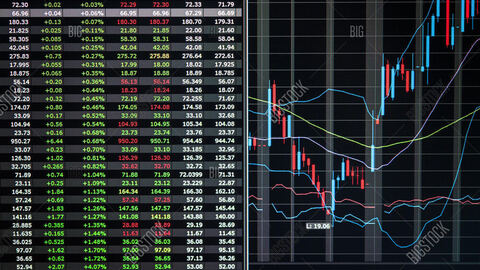
CS2 Skins vs the S&P 500: Five Years of Returns
Comparing the CS2 case and skin market's growth against the S&P 500 — returns, drawdowns, and what the comparison misses.
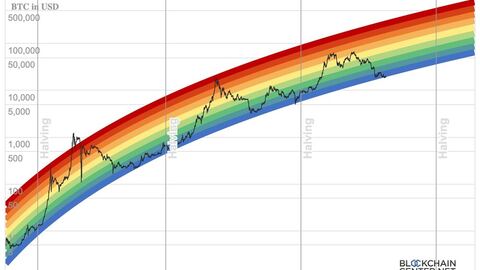
CS2 Skins vs Bitcoin: Which Was the Better Hold?
Skins and BTC share volatility and true-believer communities. A sober comparison of returns, risk, and custody.
CS2 Skins vs the Nasdaq: An Unlikely Benchmark Battle
Tech stocks had a monster run. The CS2 case index quietly beat it. Here's the full comparison with caveats.
CS2 Case Prices, 2021–2026: The Full Growth Story
From post-pandemic lows to all-time highs — how case prices compounded and which eras drove the gains.
The Deflationary Mechanics of CS2 Cases
Cases are opened and destroyed forever while drops slow to a trickle. Why case supply mechanics resemble a burn schedule.
Where CS2 Skins Actually Trade: Steam vs Third-Party
Steam Community Market vs DMarket, SkinBaron, CSFloat, Buff — where volume lives and why prices differ across venues.

China's Outsized Role in the CS2 Skin Economy
Buff, YouPin, Perfect World, and why Chinese demand often sets the marginal price of your inventory.
CS2 Player Counts and What They Do to Skin Prices
CS2 repeatedly broke Steam concurrent records. Player growth is the demand engine under every skin price.
Are CS2 Skins a Real Alternative Asset Class?
Collectors, funds, and data platforms treat skins like assets. A critical look at whether that framing holds.
Liquidity in the CS2 Skin Market, Explained
Why a $50 case sells in seconds and a $50,000 knife can sit for months — spreads, depth, and exit reality.
Seasonality in the CS2 Market: Majors, Sales, and Slumps
Steam sales dips, Major hype cycles, Lunar New Year — recurring calendar effects every skin trader should know.
How Do You Measure a Multi-Billion Dollar Market Nobody Audits?
The honest methodology problems behind every 'CS2 market is worth $X billion' headline.

The Price Lifecycle of a New CS2 Case
Spike, crash, long flatline, then the slow climb — the repeatable price pattern of every new case release.
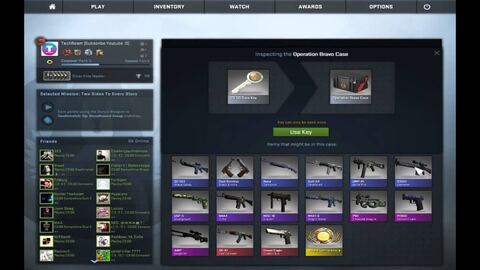
Why Discontinued Cases Are the Blue Chips of CS2
When a case leaves the drop pool, its economics flip from inflationary to deflationary. The best-performing corner of the market.
Crashes & updates
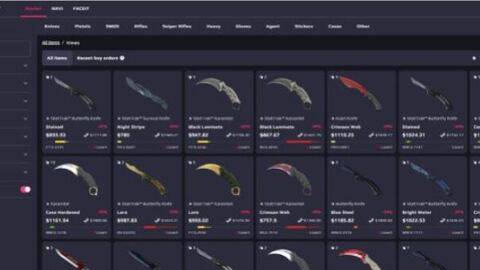
The 2025 Trade-Up Update: The Day Knife Prices Crashed
Valve let Covert skins trade up into knives — and billions in paper value repriced overnight. What happened and who won.
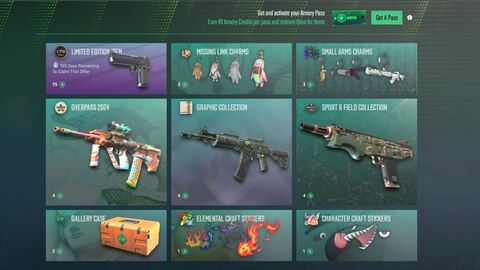
How the Armory Update Rewired CS2's Skin Supply
Armory passes changed how new items enter the game — and quietly changed the investment math on cases.
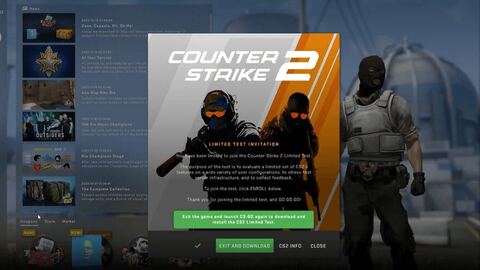
What the CS2 Launch Did to Skin Prices
From the March 2023 announcement to the September launch — one of the biggest bull runs in skin history.
The Trade Protection Update: Reversible Trades, New Rules
Valve's anti-scam trade protection changed how items move between accounts — with real market consequences.
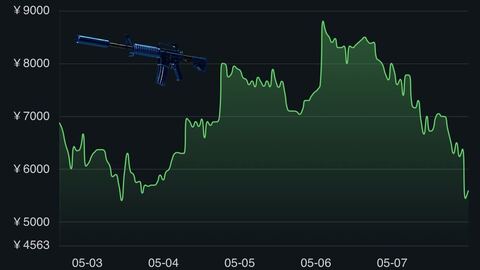
The Five Biggest CS Skin Market Crashes, Ranked
From the key ban to the trade-up shock — the crashes that defined the market and what each one taught holders.
How Valve Updates Move the CS2 Market (Every Time)
One patch note can reprice the entire market in minutes. The taxonomy of update types and their market signatures.
When Valve Killed Keys: The 2019 Money-Laundering Purge
Valve made CS:GO keys untradable overnight, citing money laundering — instantly creating a locked, appreciating asset.
Operation Droughts: What Happens When Valve Goes Quiet
Long gaps between operations and case releases have predictable market effects. History of the droughts.
The Lunar New Year Effect on CS2 Prices
Every year, Chinese holidays and cash-out season put sell pressure on skins. A recurring dip some traders buy.
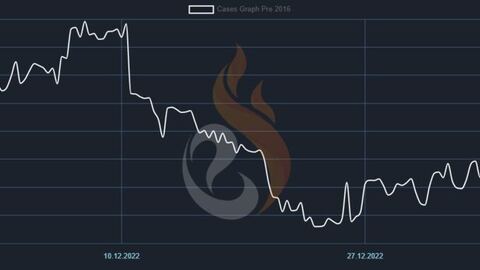
How to Survive a CS2 Market Crash (a Holder's Playbook)
Crashes are a feature of this market, not a bug. A practical playbook for the next one.
Iconic items
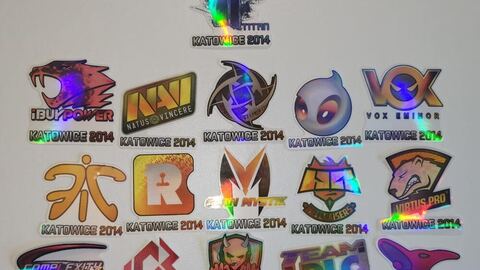
Katowice 2014 Stickers: The Most Valuable Paper in Gaming
A capsule that sold for cents in 2014 now anchors six-figure inventories. The full Katowice 2014 story.
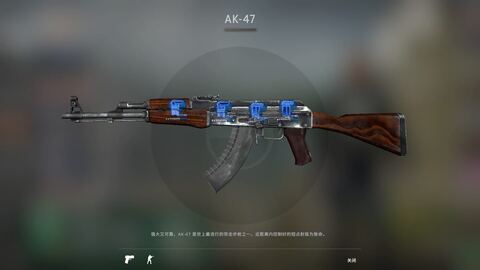
The Titan Holo Katowice 2014: A Six-Figure Sticker
The most expensive sticker in Counter-Strike history — and why a defunct team's logo commands house money.
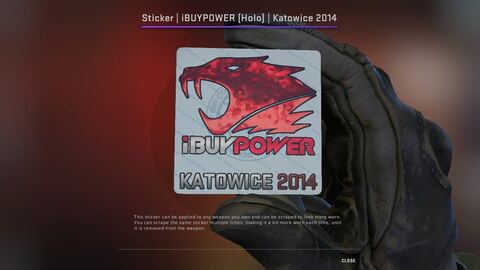
iBUYPOWER Holo Katowice 2014: Scandal-Priced Scarcity
The banned team whose sticker became a grail — how scandal, nostalgia, and scarcity created a six-figure item.
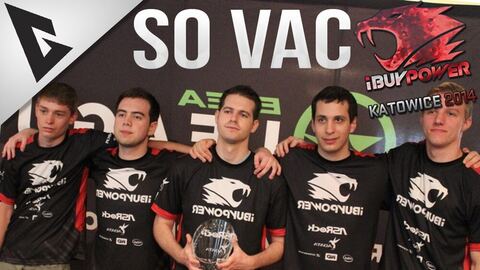
The iBUYPOWER Match-Fixing Scandal That Shook CS
August 2014: a thrown match, skin bets, lifetime bans — and an accidental collectible dynasty.
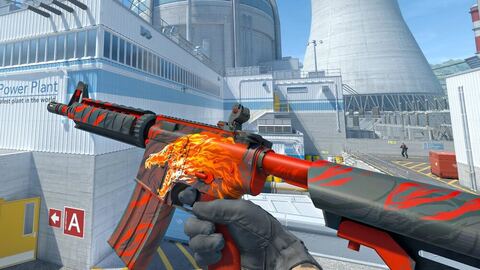
M4A4 Howl: The Only Contraband Skin in CS2
A DMCA takedown turned a workshop skin into the game's only Contraband item — and a six-figure grail.
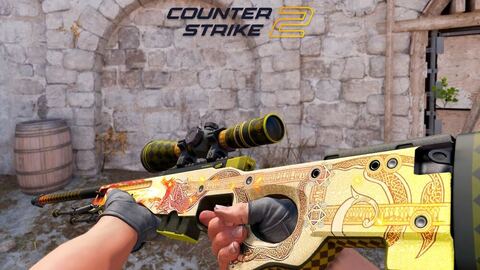
AWP Dragon Lore: Anatomy of the Most Famous Skin
From Cobblestone packages to a $150k+ souvenir sale — why Dragon Lore is CS2's Mona Lisa.
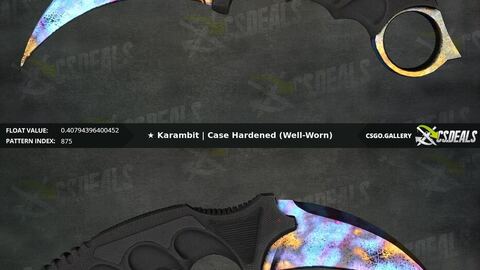
The $1.5M Karambit: Case Hardened Pattern 387
The most expensive CS item ever known — a blue gem Karambit whose owner reportedly turned down $1.5 million.

AK-47 Case Hardened #661: The Blue Gem Standard
One pattern seed turned a $50 skin into a six-figure asset. The story of the scar pattern and the blue gem AK hierarchy.
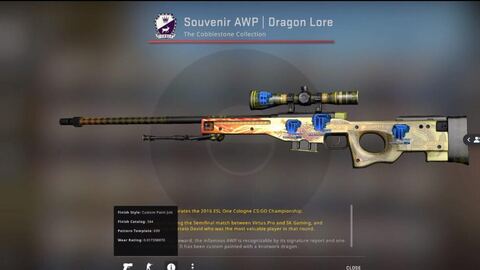
The Cologne 2014 Souvenir Dragon Lores
The oldest souvenir Dragon Lores carry gold stickers from CS's early legends — and price tags to match.
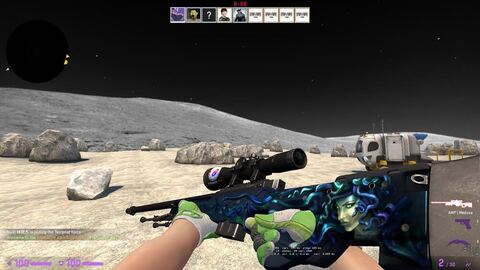
AWP Medusa: The Gods and Monsters Grail
A collection so limited it makes Covert drops look common. Why Medusa trades five figures despite Dragon Lore's shadow.
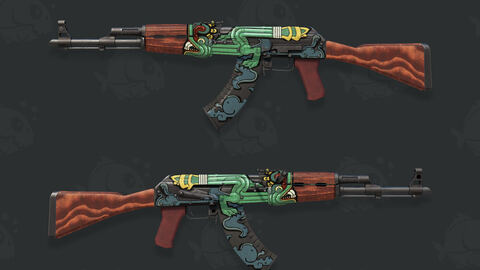
AK-47 Fire Serpent: Bravo's Crown Jewel
The most iconic AK skin ever made — art, scarcity, and the Bravo case story in one item.
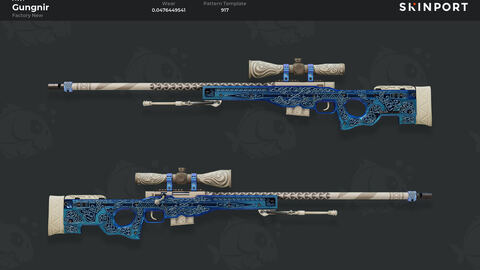
AWP Gungnir: The Norse Grail From a Forgotten Collection
The Norse collection dropped quietly in 2019 — and produced one of the three most expensive AWPs in the game.

AK-47 Wild Lotus: The Quiet Five-Figure AK
St. Marc collection's flower-covered AK became one of the rarest rifle skins in the game almost by accident.
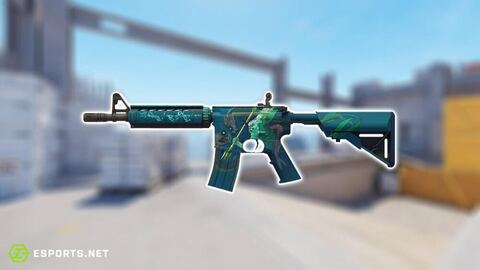
M4A4 Poseidon: The Mythical Rifle Nobody Talks About
Gods and Monsters' other masterpiece — a single-collection rifle with grail status among quiet collectors.

StatTrak M9 Crimson Web FN: The Unicorn Knife
Factory New Crimson Web on an M9 with StatTrak is so rare that single units make market news.
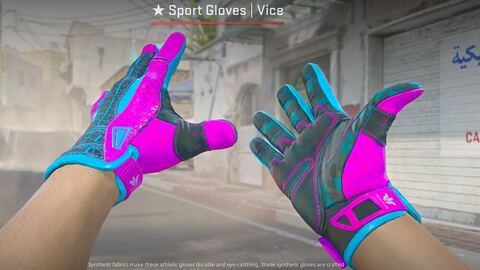
Sport Gloves Vice: The Miami-Colored Grail
How one colorway became the most wanted pair of hands in CS2 and a five-figure flex.

AK-47 Gold Arabesque: The New-Money Grail
A 2020-era AK that jumped straight into the grail tier — proof the market still mints new icons.
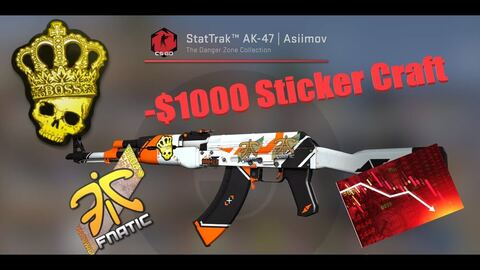
The Crown (Foil): A $5 Sticker That Became a Crown Jewel
One community sticker from 2014 outperformed almost every asset on Earth. The Crown Foil story.
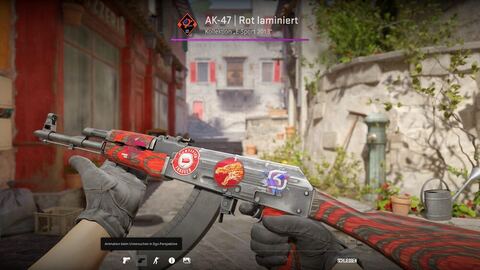
Howling Dawn: The Sticker Sibling of the Howl
Removed from circulation in the same DMCA storm as the M4A4 Howl — the sticker version is its own grail.
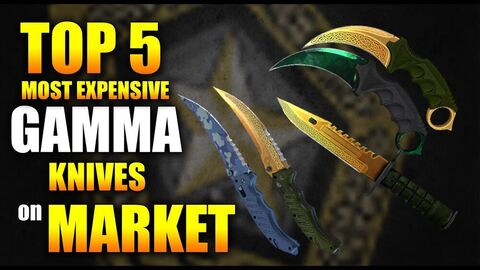
The Most Expensive CS2 Items Ever (2026 Edition)
Blue gems, souvenir AWPs, Kato 14 crafts — a ranked tour of the biggest known sales and standing offers.
Case histories
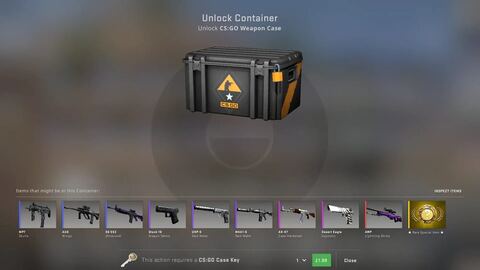
CS:GO Weapon Case: The Case That Started Everything
The first case ever shipped still trades today at thousands of times its 2013 price. Its full story.
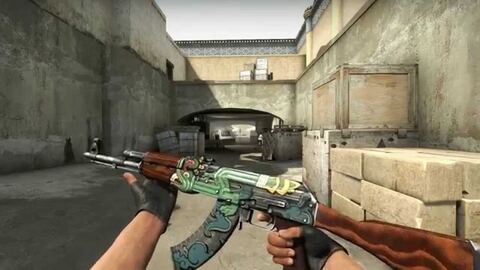
Operation Bravo Case: The Gold Standard of Case Investing
Home of the Fire Serpent and one of the most reliable appreciation curves in the entire market.
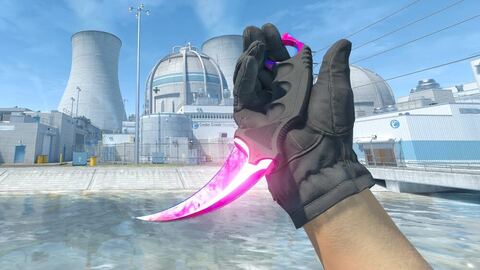
The Chroma Cases: Knife Finishes That Changed the Meta
Chroma introduced Doppler and Marble Fade knife finishes — and with them, an entire sub-market of phases and patterns.
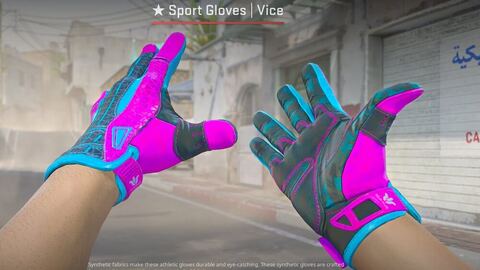
The Glove Case: When Valve Sold Us Hands
November 2016: gloves arrived and instantly became some of the most expensive items in the game. The story of the Glove Case.
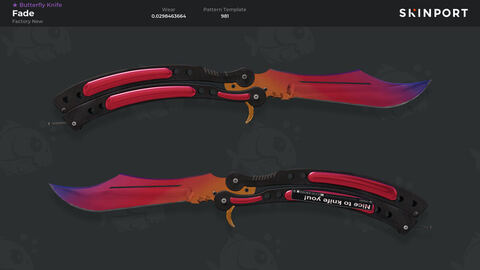
Operation Breakout and the Butterfly Knife Phenomenon
One case, one knife silhouette, and a decade of demand: why the Butterfly premium never faded.

Snakebite Case: The Sleeper That Broom Gloves Built
A modern case with Broken Fang gloves that quietly became a staple of budget case portfolios.

Fracture Case: Anatomy of a High-Supply Modern Case
Billions dropped, pennies for years — and then the supply engine slowed. A case study in patience.
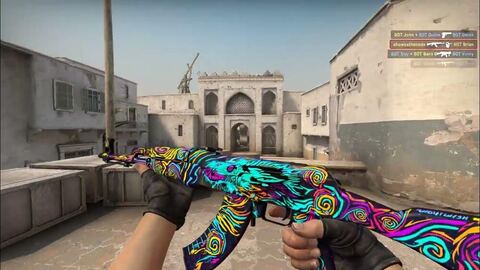
Dreams & Nightmares: The $1M Community Case
Valve paid $100k each to ten community artists — and made the case itself a piece of CS history.
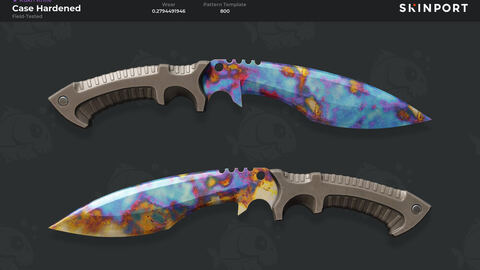
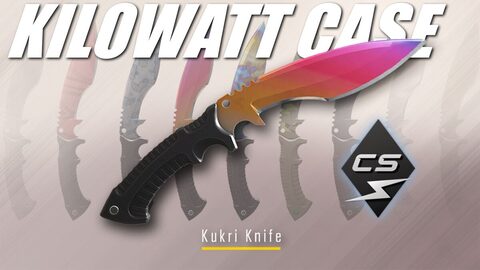
Kilowatt Case: CS2's First Case and the Kukri Knife
February 2024: the first case built for CS2, a brand-new knife type, and a template for the CS2 era.
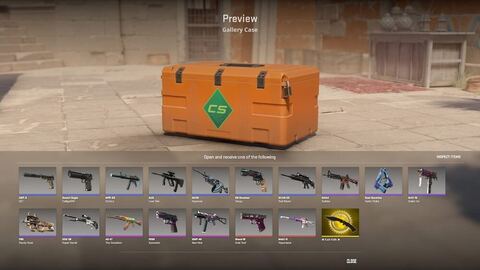
The Gallery Case and the Armory Era of Distribution
Cases you can't just drop anymore — how Armory-era distribution changes a case's supply DNA from day one.
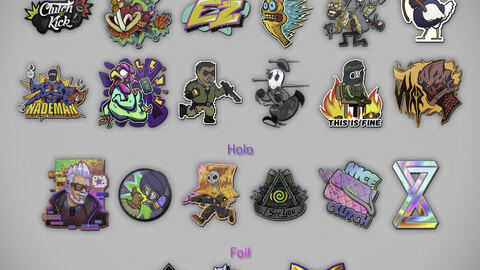
Sticker Capsule Economics: Small Items, Huge Returns
Capsules are lower-supply, lower-attention instruments than cases — and produced some of the best returns in CS history.
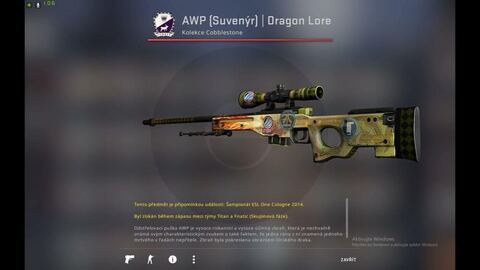
Souvenir Packages: Where Dragon Lores Come From
Tournament-drop-only packages with map-and-match provenance — the auction-house tier of CS2 items.

eSports 2013 Case: The Case That Paid for Prize Pools
The original crowdfunded esports case — key revenue funded tournament prize pools, and its supply is among the thinnest ever.
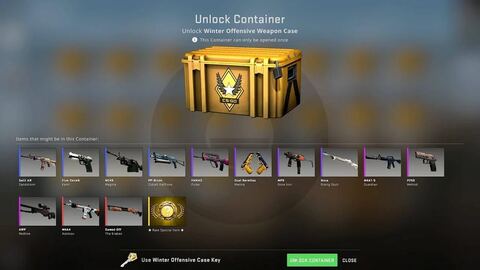
The Rarest CS Cases, Ranked by Supply
From eSports 2013 to Operation Bravo — the cases with the thinnest supply and the wildest price ceilings.
Esports & stickers
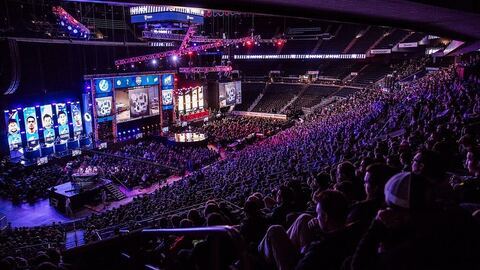
CS2 Major Viewership Records: The Numbers Keep Climbing
From 1.4M peak viewers to nearly 2M — how CS2 Majors became some of the most-watched esports events on Earth.

PGL Major Copenhagen 2024: The First CS2 Major
The first Major of the CS2 era set viewership records and minted a new champion. What it meant for the scene and the market.
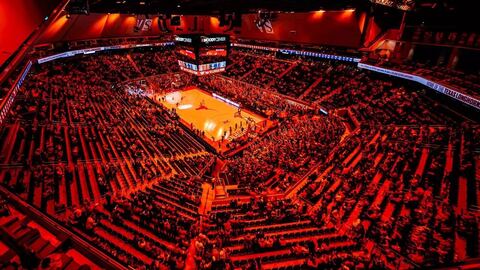
BLAST.tv Austin Major 2025: CS Comes Back to America
The first US Major in years — audience numbers, storyline, and what a US Major does for the western skin market.

Perfect World Shanghai Major 2024: China Gets Its Major
The first Major in China and what it revealed about the biggest CS audience most westerners never see.

Sticker Money: How Skin Sales Fund Pro Counter-Strike
Major sticker revenue is shared with teams and players — for some orgs it's the biggest paycheck of the year.

CS Prize Pools: From $250k Majors to a Global Circuit
The financial growth of competitive Counter-Strike, from 2013's first $250k Major to today's multi-million circuit.

A Short History of Counter-Strike Esports (1.6 to CS2)
Twenty-five years of competitive CS — the eras, the dynasties, and how the game kept outliving its obituaries.
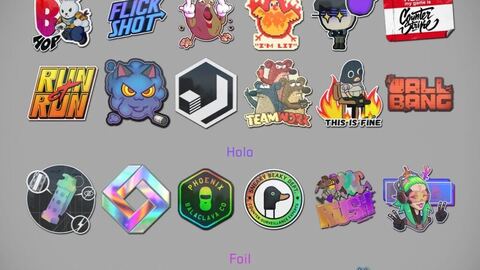
Major Stickers as Investments: A Sober Guide
Every Major mints new capsules. Some 10x, most don't. How to think about tournament sticker investing.

CS2 vs the World: Where Counter-Strike Ranks in Esports
Against LoL Worlds, Dota TI, and Valorant Champions — where CS2 actually sits in the global esports audience race.

How Majors Move Skin Prices (a Repeatable Pattern)
Viewer influx, capsule releases, and hype cycles: the Major-week playbook for the skin market.
History

The Arms Deal Update: The Day Skins Were Born
August 13, 2013 — Valve shipped weapon finishes, cases, and keys, and accidentally created a multi-billion dollar economy.
A Complete History of Counter-Strike Skins (2013–2026)
From the Arms Deal update to a multi-billion market — every era of the skin economy in one timeline.
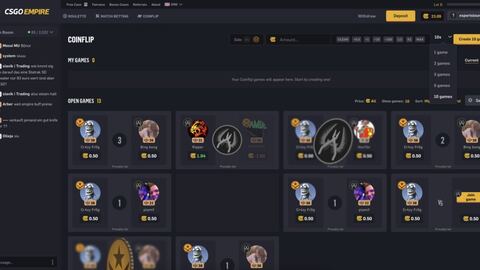
The 2016 Skin Gambling Scandal That Nearly Broke CS:GO
CSGOLotto, undisclosed ownership, underage gambling, Valve cease-and-desists — the summer the bubble popped.
OPSkins: The Rise and Fall of the Skin Cash-Out King
The biggest third-party marketplace of its era, its Valve ban, and the ExpressTrade/WAX pivot that followed.

The 2018 Trade Holds: When Valve Chose Fraud-Control Over Liquidity
Seven-day holds landed like a bomb on the trading scene — and permanently changed market structure.
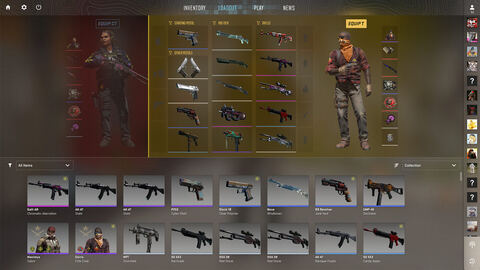
Every Skin Survived: The CS:GO → CS2 Inventory Miracle
Your 2014 pixels carried into a new engine untouched. Why that continuity is the bedrock of skin value.
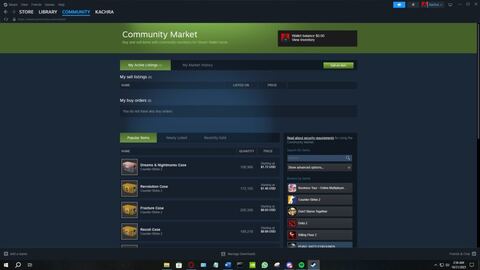
A Short History of the Steam Community Market
Launched in 2012 for TF2, it became the settlement layer of the biggest virtual item economy on Earth.
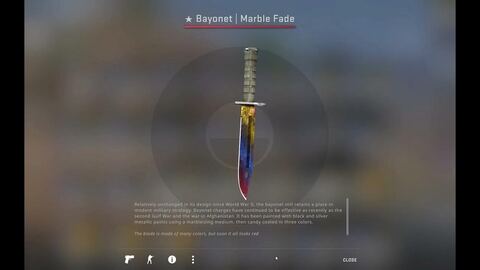
The First Knives: When a Bayonet Broke a Community's Brain
In 2013 nobody knew what a ★ was. The first knife unboxings, the forum chaos, and the birth of knife culture.

The Workshop Economy: Artists Who Got Rich Making Skins
Community creators earn a cut of every case containing their work — some have made millions.
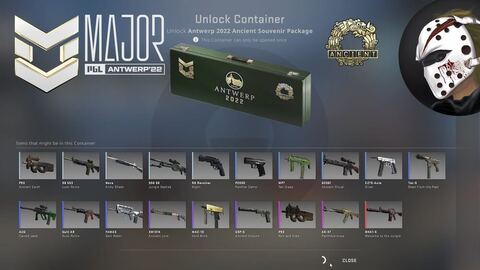
The Souvenir System: A History of Tournament Drops
From random viewer drops to authentication-era claims — how souvenirs evolved and why old ones matter.

The Future of the CS2 Skin Market: 2027 and Beyond
Institutional money, Valve's incentives, regulatory clouds — the honest bull and bear cases for the next five years.