
CS2 Major Viewership Records: The Numbers Keep Climbing
Every Major era has posted numbers the previous one would have called impossible. Here's the climb, what the trackers actually measure — and why the skin market watches the viewer ticker as closely as the scoreboard.
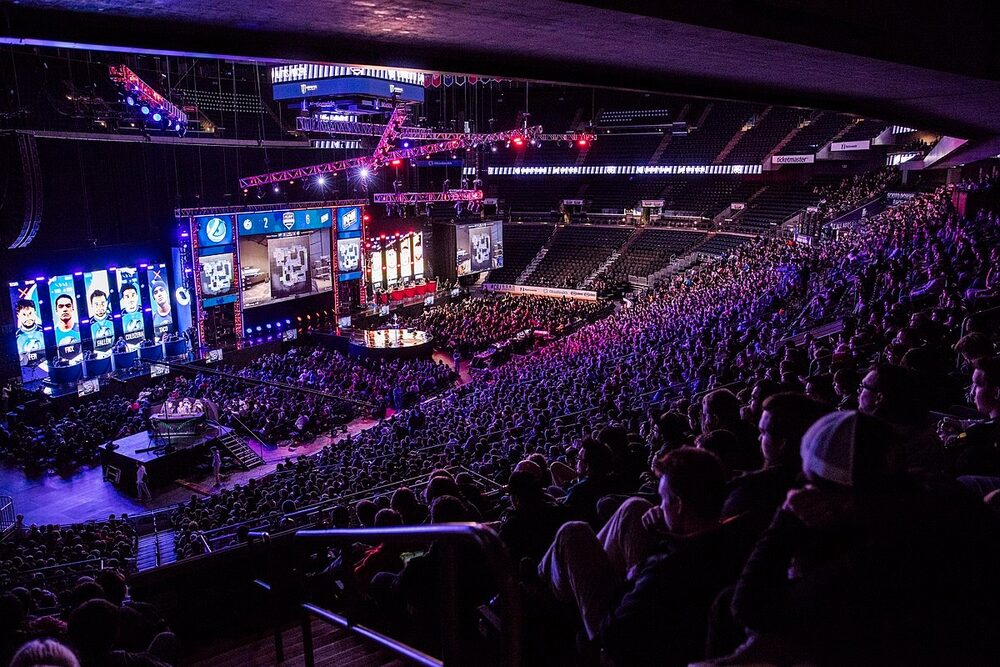
The climb, Major by Major
Counter-Strike's viewership story is unusual in esports: it doesn't spike and collapse with a hype cycle, it grinds upward across a decade. The Katowice Majors of 2014–2015 — the same events that minted the most valuable stickers in gaming — drew audiences measured in the low hundreds of thousands. By ELEAGUE Boston 2018, third-party trackers were reporting peaks around 1.2–1.3 million. Then the curve steepened.
| Major | Year | Approx. peak viewers* |
|---|---|---|
| EMS One Katowice | 2014 | Low hundreds of thousands |
| ELEAGUE Boston | 2018 | ~1.2–1.3M |
| PGL Stockholm | 2021 | ~2.7M (all-time CS record) |
| BLAST.tv Paris | 2023 | ~1.5M |
| PGL Copenhagen | 2024 | ~1.8M (CS2-era record) |
| Perfect World Shanghai | 2024 | Lower on western trackers; Chinese platforms largely uncounted |
| BLAST.tv Austin | 2025 | Roughly in the 1.4–1.5M neighborhood |
*All figures per third-party trackers, rounded aggressively. Treat them as order-of-magnitude signals, not audited data.
The standout asterisk is Stockholm 2021: a lockdown-era event with an all-time storyline (s1mple finally winning a Major) that peaked around 2.7 million per trackers — a record that still stands as of mid-2026. Within the CS2 era, the high-water mark belongs to PGL Copenhagen 2024, the first CS2 Major, at roughly 1.8 million.
What the numbers actually measure
Every figure above comes from third-party trackers that scrape public concurrent-viewer counts across Twitch, YouTube, and co-streams. That methodology has known holes, and anyone using these numbers to reason about the market should know them:
- China is mostly invisible. Huya, Douyu, and Bilibili audiences are excluded or heavily estimated. The Shanghai Major looked modest on western trackers while plausibly being one of the most-watched CS events ever inside China.
- Peaks are single moments. A 1.8M peak means one grand-final round hit that number. Average concurrent viewership and hours watched tell a different — usually more flattering for CS — story.
- Co-streaming inflates and fragments. Watch-along culture (Gaules in Brazil, ohnePixel for the market crowd) adds real audience that older Majors never had, which complicates era-to-era comparisons.
None of this makes the trend fake. It makes precise claims fake. The direction — up and to the right across a decade — survives every methodological caveat.
Hours watched is the better lens, and it flatters Counter-Strike even more than the peaks do. A Major runs two to three weeks across multiple stages, and CS audiences famously watch full brackets rather than just finals. On tracker leaderboards of cumulative hours, CS Majors routinely rank among the top esports events of their year even when a one-night final elsewhere posts a taller spike. Depth of attention, not height, is the CS signature — and depth is what marketplaces feel as sustained volume rather than a one-evening blip.
Why the audience keeps growing
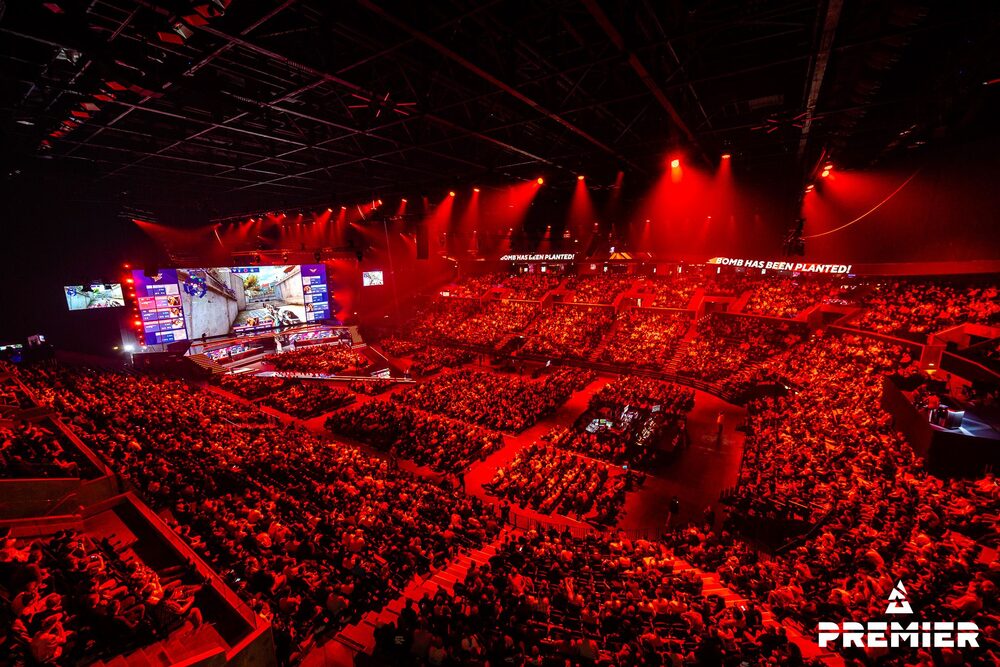
Three structural drivers, in rough order of importance. First, the player base: CS2 has repeatedly broken its own Steam concurrent records, and players are the raw material of viewers. Second, free-to-play: since 2018 the funnel into the game has no price tag. Third, the storyline density of a 25-year-old game — dynasties, regional rivalries, and a history deep enough that a grand final carries narrative weight no two-year-old esport can manufacture.
There's also a quieter driver that this site cares about: the skin economy itself is an audience-retention machine. Millions of people hold inventories whose value correlates with the game's health, and Major week is when that crowd tunes in. Attention and asset prices feed each other.
Why the skin market watches the ticker
Viewership is the cleanest public proxy for attention, and attention is the demand side of every skin trade. Major weeks reliably bring returning players who re-fund Steam wallets, capsule buyers speculating on sticker supply windows, and a general activity spike that shows up in marketplace volume. The mechanics of that pattern — pre-event speculation, during-event demand, post-event supply freeze — are covered in how Majors move skin prices, and the calendar-level view in seasonality in the CS2 market.
The honest read on the record chase: each new peak is less important as a number than as a confirmation that the demand base under the skin market is still expanding. A market built on a shrinking game is a melting ice cube. As of mid-2026, every tracker says this one isn't.
What breaks the record next
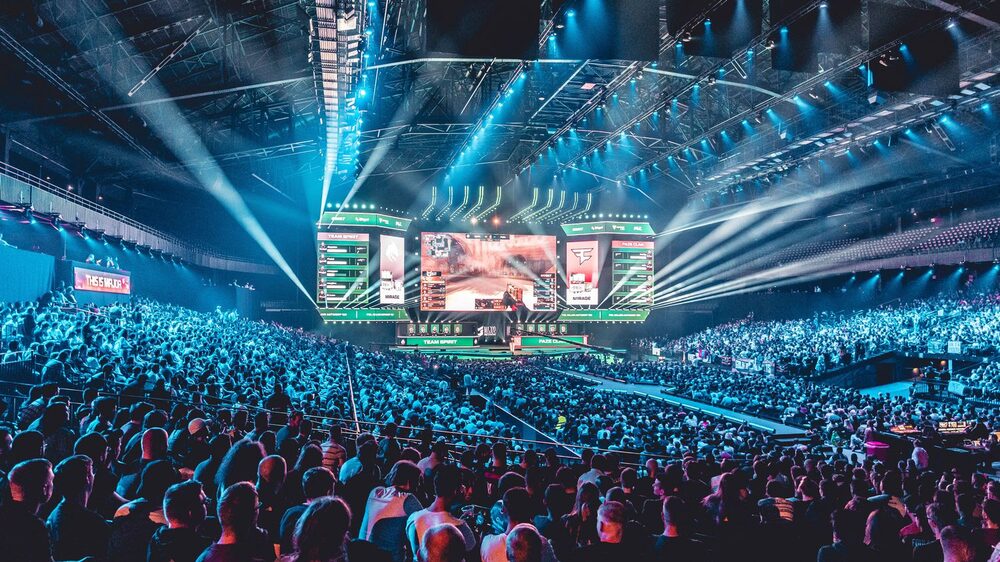
Handicapping the next peak is mostly a scheduling question. Stockholm's ~2.7M outlier had three ingredients: a lockdown-inflated viewing baseline, a decade-long personal storyline resolving, and a final timed perfectly for the European core audience. A CS2-era event that stacks even two of those — say, a European final featuring the era's biggest names in a title-decider — is the plausible path past 2M on western trackers. The wildcard is measurement itself: if trackers ever fold Chinese platforms into headline figures, the "record" would jump overnight without a single new viewer, because the Shanghai-sized blind spot would finally be counted. Anyone quoting cross-era records without noting which methodology minted them is comparing apples to estimates.