Katowice 2014 Stickers: The Most Valuable Paper in Gaming
In March 2014, a team capsule cost less than a Steam trading card. Twelve years later, single stickers from those capsules trade for more than cars. Nothing else in the skin economy compounded like Katowice 2014.
A brand-new system nobody was watching
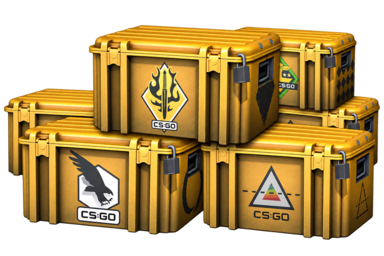
EMS One Katowice 2014 was the first CS:GO Major with viewer sticker capsules — and the timing is the whole story. Valve had introduced stickers to the game in February 2014, barely a month before the event. When team capsules went on sale during the tournament window, almost nobody understood what they were buying. There was no craft culture, no capsule-flipping meta, no sticker investment thesis. There was a novelty item priced under a dollar, sold for roughly two weeks, to a player base a fraction of today's size.
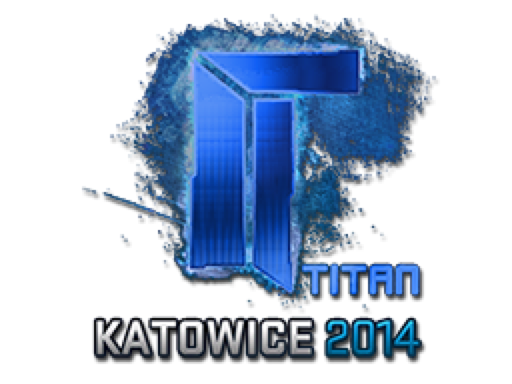
The result was the thinnest print run in the history of Major capsules. Nobody knows the exact numbers — Valve has never published them — but every proxy points the same direction: contemporary Steam Market listings were sparse even in 2015, and the surviving float of unapplied stickers today is measured in handfuls for the rare variants. Compare that with a modern Major, where capsule sales during the event window are a nine-figure revenue event and fund a large share of pro CS. Katowice 2014 was the system's beta test, and beta-test supply is what collectors have been fighting over ever since.
Paper, holo, and the anatomy of scarcity
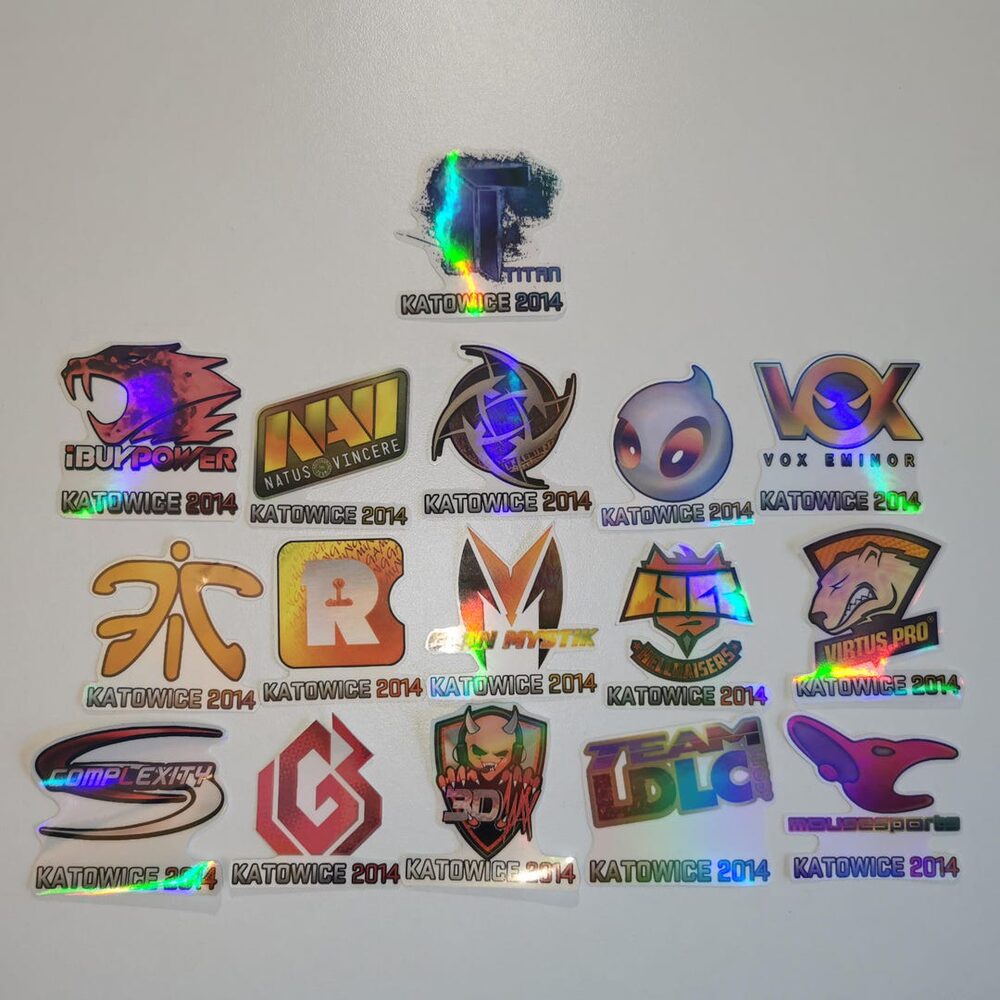
Each Katowice 2014 team capsule could drop a paper sticker or its holographic variant, with holos far rarer per opening. That single mechanic created the hierarchy that still defines the market:
- Paper stickers — scarce by any normal standard, and four to five figures for the desirable teams as of mid-2026.
- Holos — the apex tier. A decade of attrition has pushed the famous ones into five and six figures. The Titan Holo and iBUYPOWER Holo sit at the top, each with its own story doing extra work on the price.
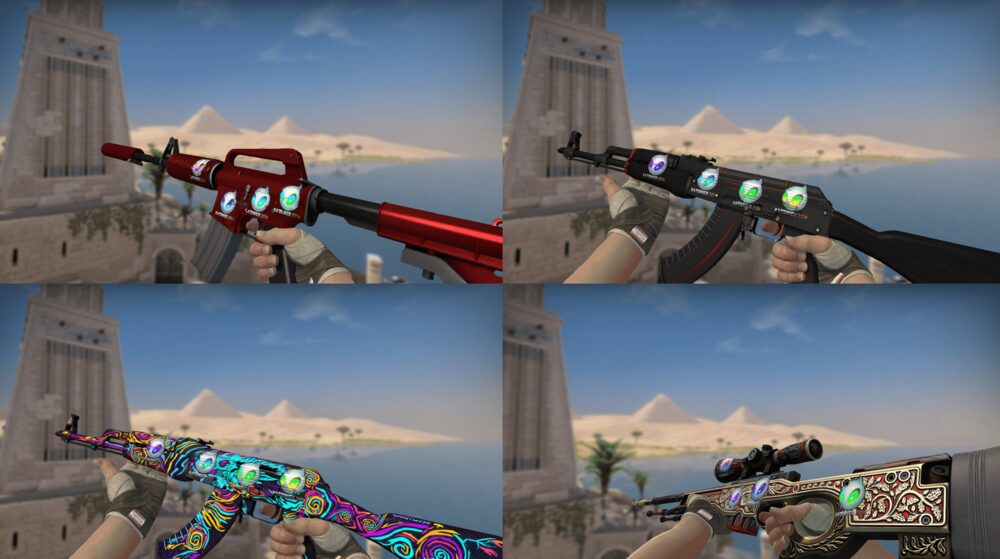
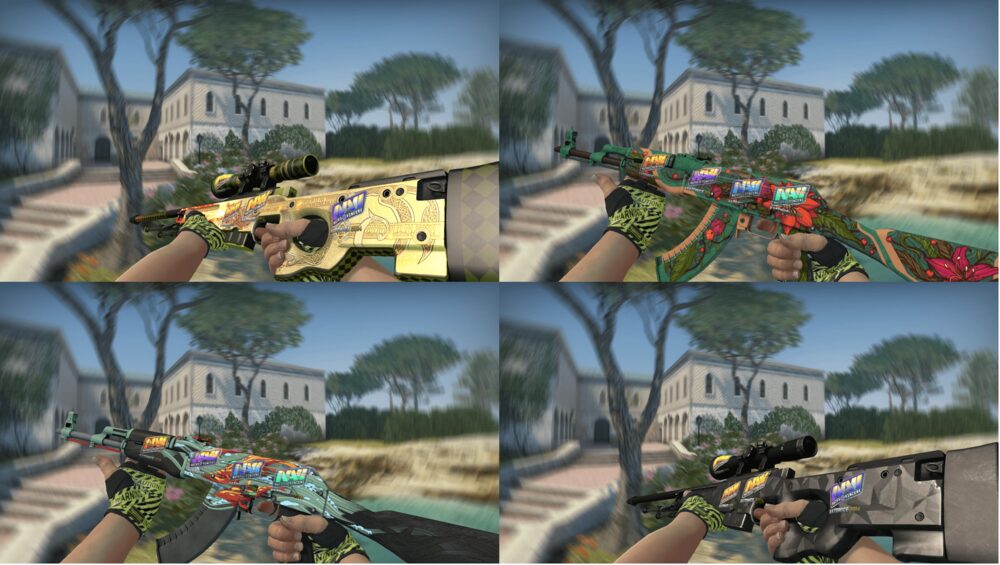
- Crafts — stickers applied to skins. Every application permanently removes a sticker from tradable supply; every scrape destroys it outright. A full Katowice 2014 holo craft on an AK is, in effect, four burned lottery tickets fused to a rifle.
That last mechanic matters more than most people realize. Sticker supply doesn't just fail to grow — it actively shrinks every time someone crafts, scrapes, or loses an account. Capsule economics are deflationary in the same way discontinued cases are, but with no drop pool at all: the sale window closed in March 2014 and nothing has entered supply since.
The decade of repricing
The climb wasn't linear. Katowice 2014 stickers were cheap for years — desirable holos could be had for tens of dollars well into 2015, and the market treated them as niche memorabilia rather than assets. The repricing came in waves:
| Era | What happened |
|---|---|
| 2014–2016 | Novelty pricing. Holos in the tens to low hundreds of dollars; crafts common because stickers felt cheap. |
| 2017–2019 | Craft culture matures. Collectors start hunting specific holos; supply visibly thins on the Steam Market. |
| 2020–2021 | The COVID-era skin boom. Katowice 2014 becomes the market's trophy shelf; famous holos cross five figures. |
| 2023–2026 | CS2 transition confirms items carry over; grail prices consolidate into six figures for apex holos, per reported private sales. |
Precision is impossible at the top end — the biggest transactions happen privately, off the Steam Market's $2,000 cap, and figures should be read as "reportedly" almost by definition. But the direction and magnitude are not in dispute: this is the best-performing corner of the entire skin economy's history, and it started from pocket change.
It's also worth separating the tiers within the vintage. The apex holos get the headlines, but the pricing gradient runs all the way down: holos of mid-table teams sit well below the Titan and iBUYPOWER tier, papers below those, and the capsules themselves — sealed, unopened — trade as their own collectible with a lottery ticket embedded inside. Even the "cheap" end of Katowice 2014 stopped being cheap years ago; the vintage as a whole repriced, not just its stars. That across-the-board lift is the strongest evidence that the driver is structural scarcity rather than a couple of viral stories.
Why these stickers specifically
Scarcity alone doesn't make a grail — plenty of scarce items stay cheap. Katowice 2014 stacked every demand driver at once:
- First-edition status. The first Major capsules ever sold. There is no earlier vintage to collect.
- Nostalgia density. The rosters on those stickers — NiP, Fnatic, Titan, iBUYPOWER — are the founding mythology of CS:GO esports.
- Craft demand. Kato 14 crafts on grails like the Fire Serpent are their own collector category, continuously burning supply.
- Story premiums. Titan's collapse and iBUYPOWER's ban gave the two apex holos narratives money can't reprint.
The honest takeaway for investors
Katowice 2014 is the market's favorite proof that skins can outperform everything — and the worst possible template for a strategy. The people who won held novelty items through a decade of 90%-cheaper exits, survived account bans, gambling-site temptations, and multiple crashes, and only look like geniuses in hindsight. Survivorship bias is doing heavy lifting in every Kato 14 headline: nobody writes articles about the capsules opened for paper stickers of forgotten teams, or the holos scraped off rifles in 2015.
The replicable lesson is structural, not selective: closed supply windows plus continuous burn plus growing demand is the mechanism, and it exists in cheaper, more liquid forms across the market today. You can't buy 2014 again. You can buy the mechanism.