A Complete History of Counter-Strike Skins (2013–2026)
Thirteen years ago Valve shipped a cosmetics patch to keep a struggling shooter alive. It accidentally built one of the largest virtual asset markets on Earth. This is the whole arc.
2013–2015: birth and the first mania
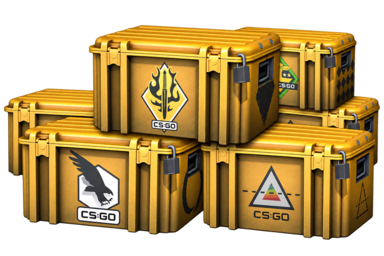
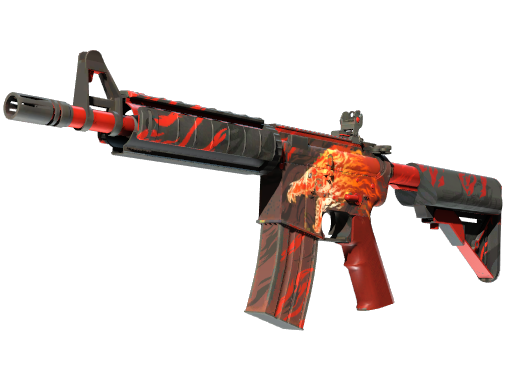
On August 13, 2013, the Arms Deal update added weapon finishes, the first two cases, and keys to CS:GO — a game that was, at the time, fighting for relevance. The design decisions made that week still govern the market today: skins drop randomly but cases need paid keys, rarity tiers run from Mil-Spec to the ~0.26%-odds rare special item, and everything is tradable through Steam. Scarcity plus tradability plus a growing player base did the rest.
The 2014–15 period turned a cosmetic system into an economy. Tournament stickers arrived, and the capsules sold for cents at Katowice 2014 became — a decade later — the most valuable paper in gaming. Skin betting exploded alongside: third-party sites let viewers wager skins on pro matches, with billions in notional value wagered per public reporting. The same boom produced the era's defining scandal, when iBUYPOWER threw a match its players had bet against, earning lifetime bans and — in one of the market's great ironies — turning their Katowice 2014 stickers into six-figure grails.
2016–2019: the reckoning years
The gambling boom ended the way unregulated booms do. In summer 2016, the CSGOLotto affair — YouTubers promoting a gambling site they secretly owned — brought lawsuits, a Washington State Gambling Commission inquiry, and a wave of Valve cease-and-desist letters that shut down most of the betting ecosystem. Skin prices fell hard as gambling demand evaporated. It was the market's first lesson that a large share of "investment" demand was really wagering demand.
Valve spent the next three years re-architecting the plumbing against fraud, at the cost of liquidity:
- March 2018: seven-day trade holds on items moved between accounts — a bomb under the instant-trading ecosystem, and the change that effectively ended OPSkins, the dominant cash marketplace of the era, after Valve banned its bot accounts.
- October 2019: Valve made newly bought CS:GO keys untradable, stating that "nearly all" key resales had become part of money-laundering networks. The key ban crashed key-denominated trading overnight and accidentally created a locked, appreciating collectible out of legacy tradable keys.
By the end of 2019 the market was smaller, slower, and cleaner — and, in hindsight, structurally ready to grow on holder demand rather than gambling flow.
2020–2023: the boom that changed who owns skins
Lockdowns sent Steam player counts to records, and the skin market re-rated with them. Between 2020 and 2021, discontinued cases and iconic skins repriced sharply upward as new money — some of it explicitly treating skins as an alternative asset — arrived faster than burned supply could be replaced. Case investing as a deliberate strategy, rather than hoarder behavior, dates to this era.
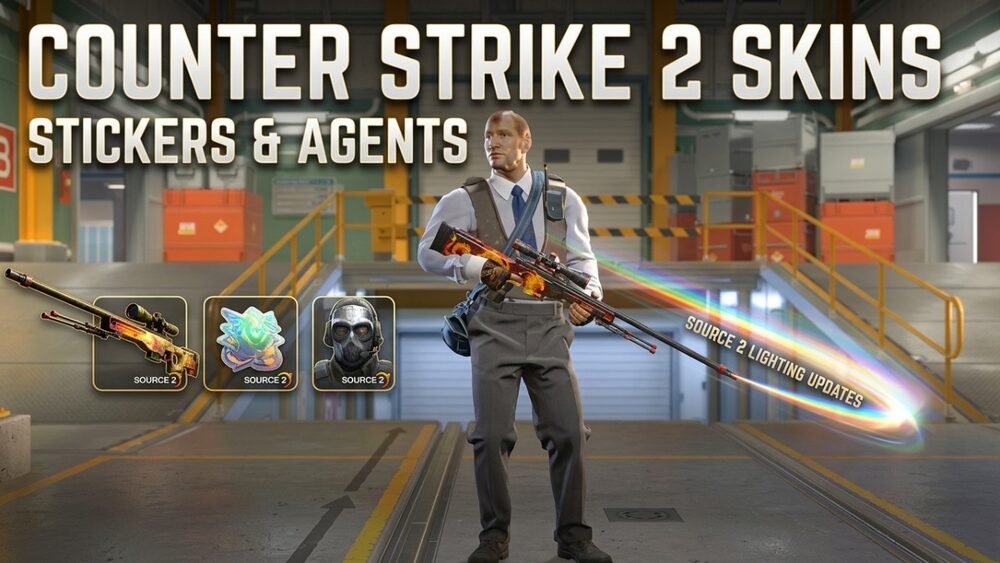
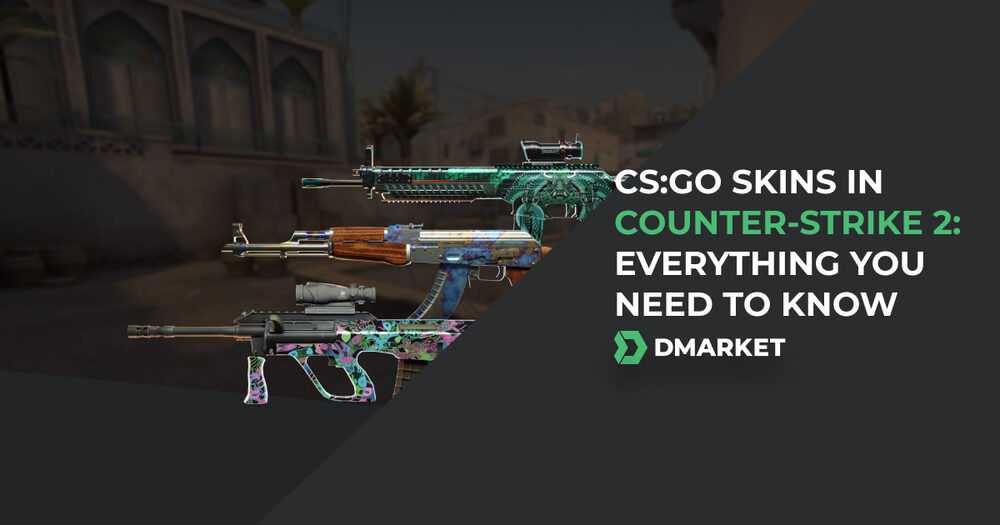
Then Valve gave holders the single biggest gift in the market's history. In March 2023 it announced Counter-Strike 2 and confirmed that every item would carry over to the new engine. The announcement-to-launch run through September 2023 was one of the strongest bull markets skins have seen: continuity turned a ten-year-old inventory from a legacy risk into a validated store of value, and prices across cases multiplied per public trackers. The precedent mattered as much as the rally — Valve had demonstrated it would protect item ownership across an engine transition.
2024–2026: the institutional era
The CS2 era changed how items enter the game. The Kilowatt Case (February 2024) was the first CS2-native case; the Armory system introduced pass-gated distribution, meaning some new cases enter supply through purchases rather than random drops — a structural change to supply DNA that case investors are still pricing. Valve also kept shipping market-moving rule changes: the May 2025 trade-up update let Covert skins trade up into knives and repriced the entire knife tier within hours, and the trade protection update added reversible-trade mechanics aimed at the scam economy.
As of mid-2026, the market looks less like a bazaar and more like an asset class with bad paperwork: price aggregators, float databases, and portfolio trackers are standard equipment; third-party marketplaces compete on fees and rails; and systematic strategies like dollar-cost averaging into cases — unthinkable framing in 2014 — are ordinary. Headline market-cap estimates run into the billions, though nobody can audit them. What hasn't changed is the core dependency: one company, one game, one terms-of-service.
The whole arc in one table
| Year | Event | Market effect |
|---|---|---|
| 2013 | Arms Deal update: skins, cases, keys | The economy exists |
| 2014–15 | Stickers, skin betting boom, iBUYPOWER scandal | Mania; gambling demand inflates everything |
| 2016 | Gambling scandal and Valve C&D crackdown | Crash as betting demand exits |
| 2018 | Seven-day trade holds; OPSkins banned | Liquidity shock; cash markets rebuild slowly |
| 2019 | Key trade ban (money-laundering purge) | Key economy dies; legacy keys become collectibles |
| 2020–21 | Covid player boom | Broad re-rating; case investing goes mainstream |
| 2023 | CS2 announced and launched; full inventory carry-over | Historic bull run; continuity precedent set |
| 2024–26 | Kilowatt, Armory distribution, trade-up shock, trade protection | New supply mechanics; institutionalization |
Every era tells the same story twice: Valve changes a rule, the market reprices violently, and the holders who survive are the ones whose position sizes assumed the rule could change.
The table also shows why the market's returns are so hard to benchmark. Anyone who bought cases in 2016 and sold in 2018 lived through two policy shocks and saw mediocre results; anyone who bought the same cases in 2019 and held through 2023 caught the covid boom and the CS2 run back to back. The asset didn't change — the era did. That's the strongest practical argument against timing this market: the big moves cluster around Valve decisions that are announced to no one, priced in by nobody, and executed overnight. The people who captured the 2023 run weren't forecasters; they were simply already holding when the announcement dropped, usually because they'd been accumulating steadily through the boring years before it.
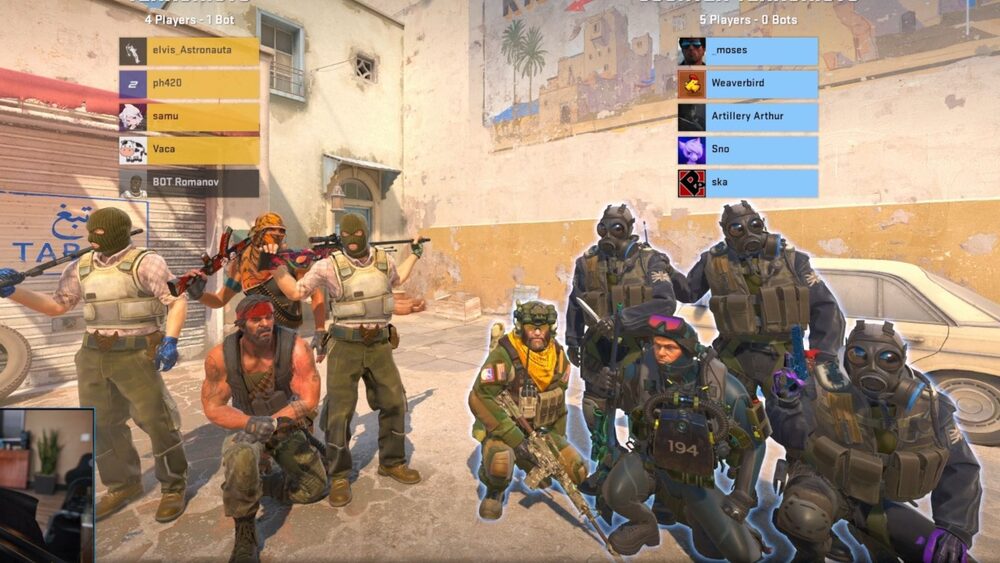
Thirteen years in, the honest summary is that skins outlived every obituary — the gambling purge, the trade holds, the key ban, an engine swap — and each survival deepened the market's confidence in the next one. Whether that confidence is wisdom or complacency is the open question the next era will answer; the bull and bear cases both run through the same place, and it's still Valve's building.