
The 2016 Skin Gambling Scandal That Nearly Broke CS:GO
By mid-2016, skins had quietly become the chips of an unlicensed global casino. Then two YouTubers got caught owning the house they pretended to gamble at, and the whole structure came down in a single summer.
The casino nobody licensed
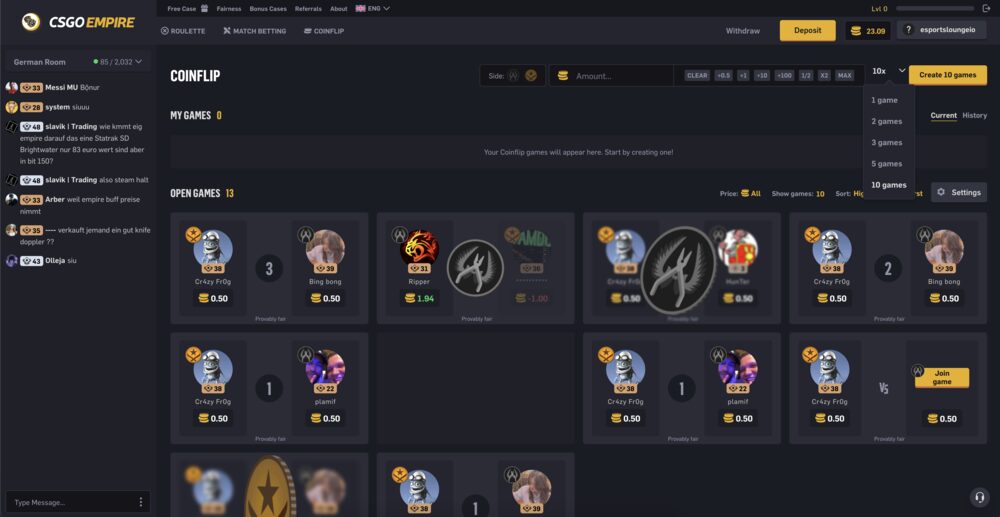
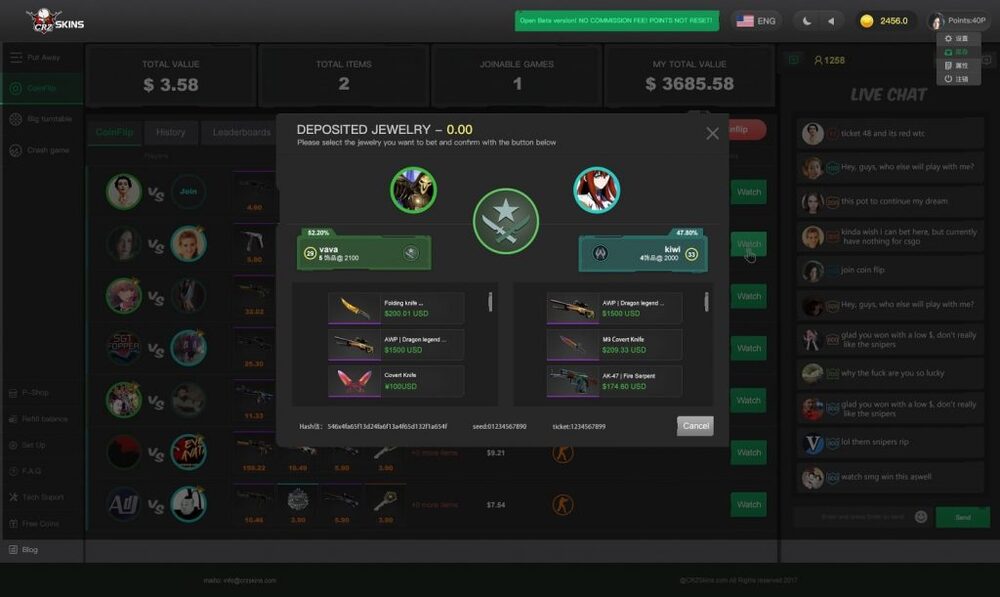
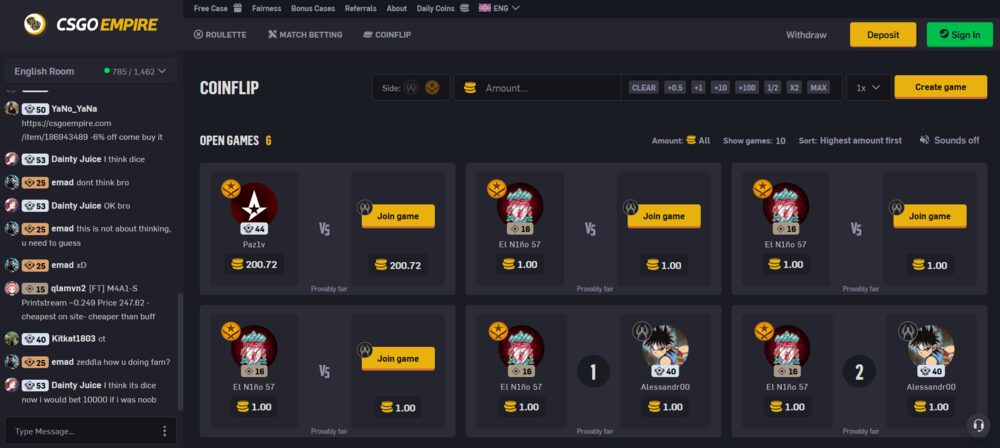
Skin gambling didn't need Valve's permission to exist — it only needed the trade API. Sites like CSGO Lounge (match betting), CSGO Diamonds, CSGO Wild, and dozens of coinflip and roulette clones accepted skin deposits via automated Steam trade bots, converted them to on-site credits, and paid winnings back out in skins. No banking rails, no KYC, no age verification. If you could trade, you could bet — and plenty of the people trading were teenagers.

The scale was extraordinary. Industry analysts at the time estimated that billions of dollars' worth of skins were wagered annually across these sites — figures widely cited in Bloomberg's April 2016 exposé on the ecosystem. Whatever the precise number, skin betting volume plausibly dwarfed the legitimate item trade it was parasitic on, and it was a major hidden driver of skin demand. A meaningful slice of every case opened in 2015 was, functionally, someone buying chips.
CSGOLotto: the ownership problem
The detonation came in late June and early July 2016. YouTube sleuth HonorTheCall, followed by h3h3Productions, published evidence that Trevor "TmarTn" Martin and Tom "ProSyndicate" Cassell — two of the biggest CS:GO YouTubers, with millions of subscribers between them — weren't just promoting the gambling site CSGOLotto in their "insane winnings" videos. Florida incorporation records showed they were, respectively, its president and vice-president.
Videos of the pair "discovering" a site they owned, winning big on camera, and steering young audiences toward it without disclosure became the defining image of the era. TmarTn's non-apology video (uploaded, deleted, and preserved forever by the internet) made things worse. The FTC later reached a settlement with the pair over the disclosure failures — the agency's first case involving individual social-media influencers.
The scandal wasn't that gambling existed. Everyone knew. It was the demonstration that the biggest voices in the scene had an undisclosed financial stake in the losses of their own viewers.
The legal walls close in
What followed was a cascade, and it moved fast:
- Class-action lawsuits were filed against Valve within weeks, arguing the company knowingly facilitated illegal gambling by providing the trading infrastructure and taking a cut of the case-and-key economy that fed it.
- Valve's cease-and-desist wave landed in July 2016: the company publicly stated that gambling sites used Steam accounts in violation of the API terms and sent notices to more than twenty sites, demanding they cease operations through Steam. Many of the biggest names went dark or exited CS:GO within months.
- The Washington State Gambling Commission escalated in October 2016, directing Valve — headquartered in Bellevue — to stop the transfer of skins for gambling via Steam and to explain how it would comply with state gambling law. Valve pushed back on the framing but kept up enforcement pressure on sites.
- Twitch banned streams of CSGOLotto and tightened rules around gambling content, cutting off the promotion pipeline.
What it did to the market
Skin prices fell hard through the second half of 2016. With betting sites closing, a huge source of artificial demand — chips for the casino — evaporated, and inventories that had been locked up in bot networks flowed back onto the market. Contemporary trackers showed broad declines across cases and liquid skins; precise damage varies by item, but holders at the time remember it simply as the first real bear market the economy had experienced.
It's worth placing the event in sequence. The iBUYPOWER match-fixing scandal in 2014–15 had already shown skins being used as a betting currency with real integrity consequences. The 2016 crackdown was the demand-side reckoning, and Valve's later structural interventions — the seven-day trade holds in 2018 and the key trading ban in 2019 — were the supply-side sequels, each one narrowing the plumbing that gambling and fraud had exploited. Third-party cash markets like OPSkins got caught in the same enforcement current.
Why the market survived — and what it kept
Here's the part that surprises newcomers: the economy didn't die. Player counts kept growing, cases kept getting opened, and by 2017 the market had stabilized on a cleaner demand base of players and collectors rather than gamblers. In hindsight, 2016 was less an extinction event than a forced deleveraging — painful, but arguably the reason the market could later be taken seriously as a collectibles space at all. The full history of the skin economy reads very differently if that purge never happens.
The lessons have aged well:
- Demand quality matters. Prices propped up by gambling flows were fragile in a way that prices built on player demand were not.
- Valve is the regulator of last resort. It moves slowly, then all at once — a pattern every holder since has learned to price in.
- Platform risk is the tax on this asset class. Every skin thesis, then and now, lives downstream of decisions made in Bellevue. The 2016 crash was the first proof at scale.
As of mid-2026, gambling-adjacent demand hasn't vanished — case-opening sites and crypto casinos still orbit the economy — but the flagrant, influencer-fronted era ended that summer. The market that exists today was shaped by its collapse.