The iBUYPOWER Match-Fixing Scandal That Shook CS
The best North American team of 2014 threw one online match for a few thousand dollars in skins. The fallout ended four careers — and accidentally minted the most scandal-priced collectible in gaming.
The match that made no sense
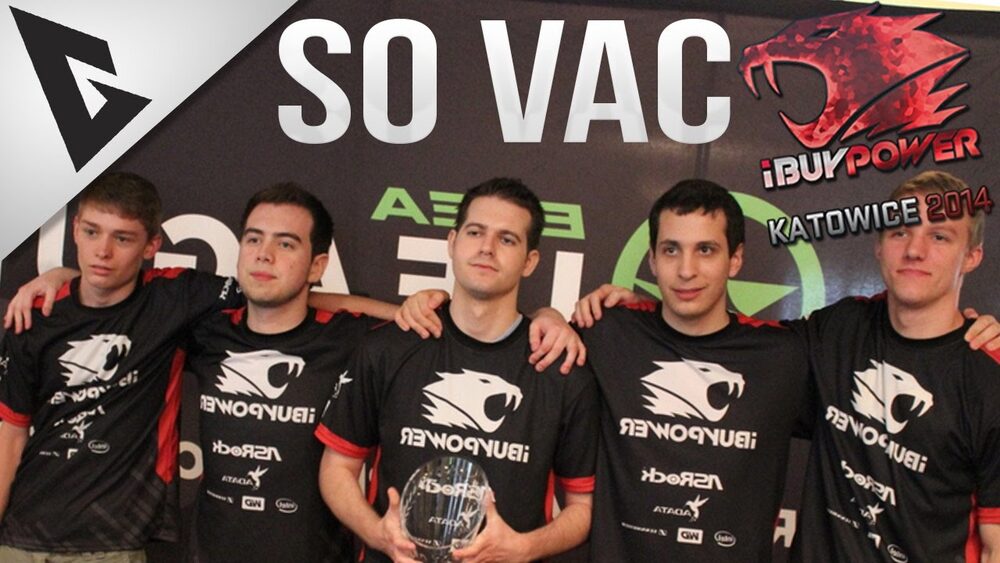
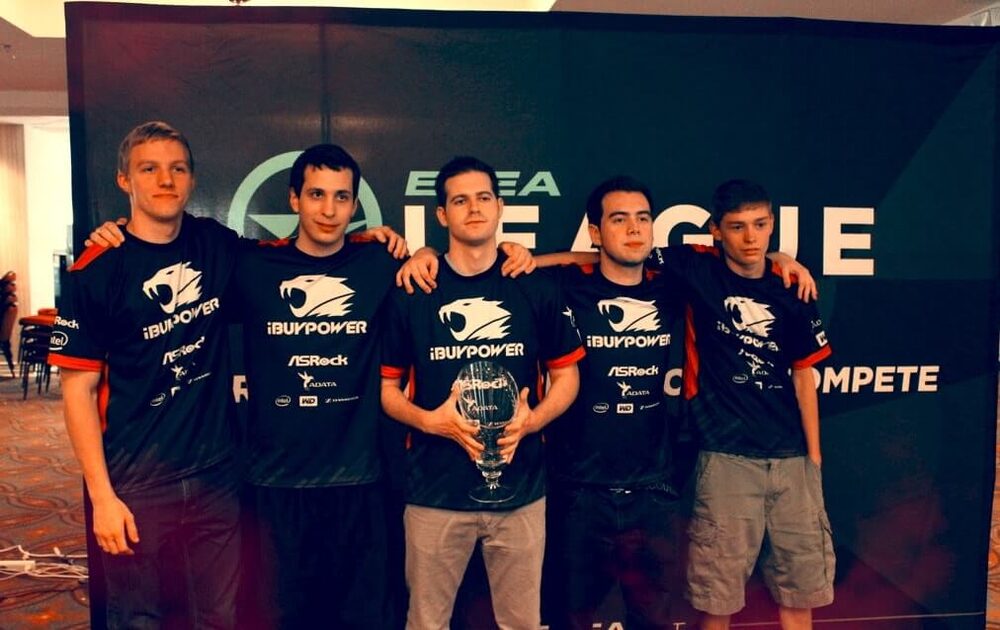
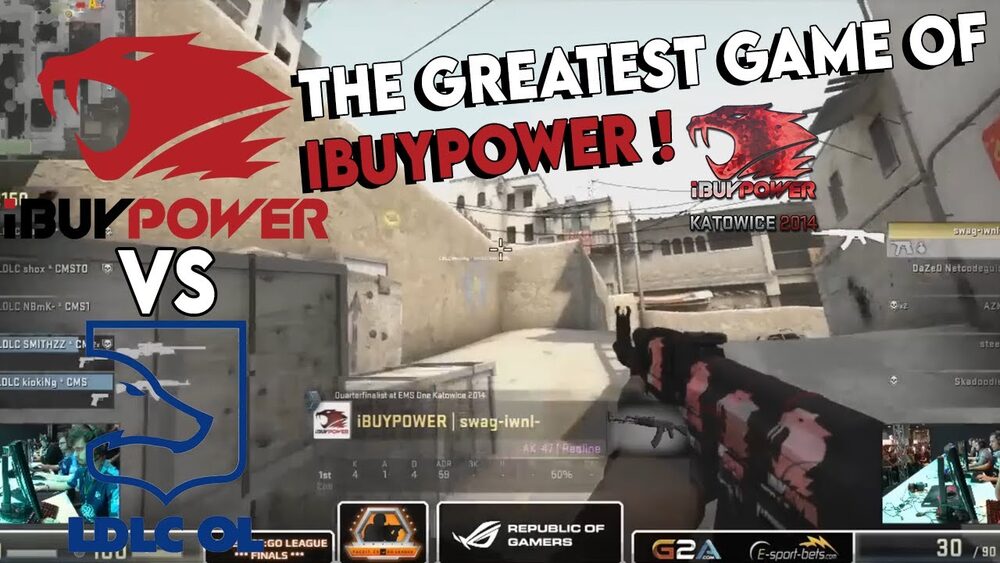
On August 20, 2014, iBUYPOWER played NetcodeGuides.com in a CEVO Professional Season 5 match. On paper it was a mismatch: iBUYPOWER — Sam "DaZeD" Marine, Braxton "swag" Pierce, Keven "AZK" Larivière, Joshua "steel" Nissan, and Tyler "Skadoodle" Latham — were the strongest roster in North America, fresh off beating European top teams. NetcodeGuides was a website's promotional squad.
iBUYPOWER lost 16–4. Anyone watching could see it wasn't a normal off night. Players jumped around mid-round, went for absurd knife attempts, and laughed through what should have been a routine win. The betting side told the rest of the story: on CSGO Lounge, the era's dominant skin-betting platform, an unusual cluster of high-value bets had been placed on NetcodeGuides — and the winnings, thousands of dollars' worth of skins, flowed to accounts connected to the iBUYPOWER camp.
Context matters here: in 2014, skin betting was the invisible engine of CS:GO's growth. Lounge routinely handled more notional value per match than tournament prize pools. That same liquidity that made the scene explode — and later fed the 2016 gambling scandal — made a fixed match trivially monetizable.
The investigation was journalism, not forensics
The scandal sat as a community rumor for months. It broke open in January 2015 when Richard Lewis published an investigation built on leaked screenshots and testimony — including material provided by the ex-girlfriend of one of the participants — laying out how the bets were placed, who held the accounts, and how the skins moved afterward. The reporting did what no platform or league had done: it connected the match to the money.
Valve moved within days. On January 26, 2015, it announced permanent bans from Valve-sponsored events for four iBUYPOWER players — DaZeD, swag, AZK, and steel — plus Duc "cud" Pham of NetcodeGuides, Casey Foster, and Derek "dboorn" Boorn, who handled the betting side. Skadoodle, who reportedly declined to accept any of the winnings, was not banned; he went on to win the Boston 2018 Major with Cloud9.
Permanent meant permanent
The community assumed the bans would soften. They never did — not for Valve events. The timeline is short and brutal:
- August 2014 — the fixed match vs NetcodeGuides.
- January 2015 — Richard Lewis's exposé, then Valve's permanent bans within the week.
- 2017 — ESL and other tournament organizers unban the players for non-Valve events; DaZeD and steel return to competition.
- Ever since — Valve reaffirms the bans apply to Majors indefinitely. steel eventually left CS for Valorant in 2020 citing exactly this ceiling; swag followed the same path.
Valve's refusal to relent became the founding precedent of its integrity policy: match fixing is the one offense with no rehabilitation path at Majors. Whatever you think of the proportionality — four young players, a few thousand dollars, careers ended — the deterrent has held. North American CS never produced another confirmed fixing case at that level.
The collectible irony
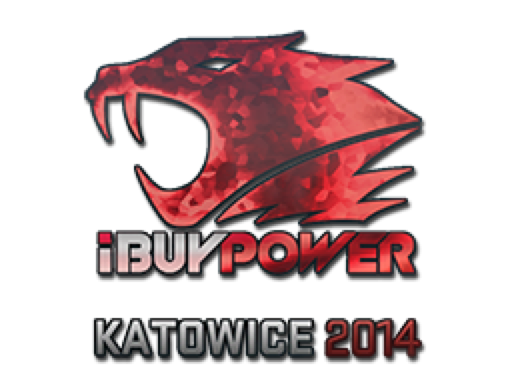
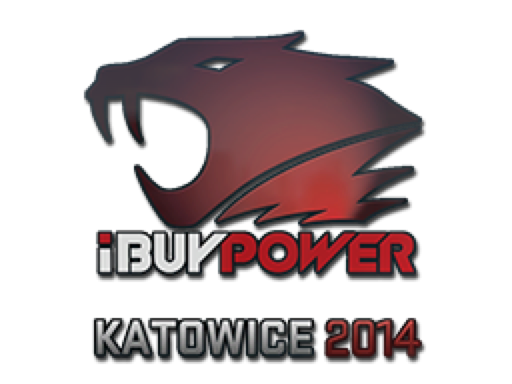
Here is the part that matters to anyone reading a skin-economics blog. Five months before the fix, at EMS One Katowice 2014, Valve sold team sticker capsules for pocket change. iBUYPOWER's capsule was among the least purchased — a NA team at a European Major, with no reason for anyone to stockpile paper logos.
Then the scandal erased the team. The org dropped the roster, the brand left CS, and the sticker supply — already tiny, shrinking further every time someone applied one to a skin — was frozen against a story that grew more legendary every year. The iBUYPOWER Holo Katowice 2014 is now a six-figure item, routinely discussed alongside the Titan Holo as the most valuable sticker in the game — and Titan, fittingly, is also a dead org.
The market's darkest joke: the players got banned for taking a few thousand dollars in skins, and the sticker bearing their logo became worth more than everything they threw the match for, multiplied by a hundred.
This is a pattern worth internalizing, not just an anecdote. Scarcity plus narrative is what prices grails — the same mechanics that price the M4A4 Howl (frozen supply, DMCA story) and Cologne 2014 souvenir Dragon Lores (frozen supply, provenance story). A defunct-team logo is the purest possible version: the supply can never grow, and the story can never be repeated.
What the scandal changed
Beyond the bans, the iBUYPOWER affair reshaped how the ecosystem treats integrity and betting:
- It previewed the gambling reckoning. The fix demonstrated that unregulated skin betting created real match-fixing incentives. Valve's cease-and-desist wave came in 2016, but the causal chain started here.
- It set the price of integrity violations at infinity. Every pro since has operated knowing Valve does not forgive fixing. That credibility is part of why sticker revenue sharing works — the Major ecosystem depends on matches being real.
- It made "banned team" a collectible category. Scandal-frozen items now carry a recognized premium, and the iBUYPOWER holo is the reference asset of that category.
As a piece of esports history, the scandal reads as tragedy: a generational NA roster erased at its peak. As a piece of market history, it reads as a controlled experiment in what happens when supply is capped by catastrophe. The answer, a decade on: the market pays up for ghosts.