iBUYPOWER Holo Katowice 2014: Scandal-Priced Scarcity
Valve banned the team and accidentally minted a grail. The iBUYPOWER Holo is the only asset in CS2 whose price is built on a punishment.
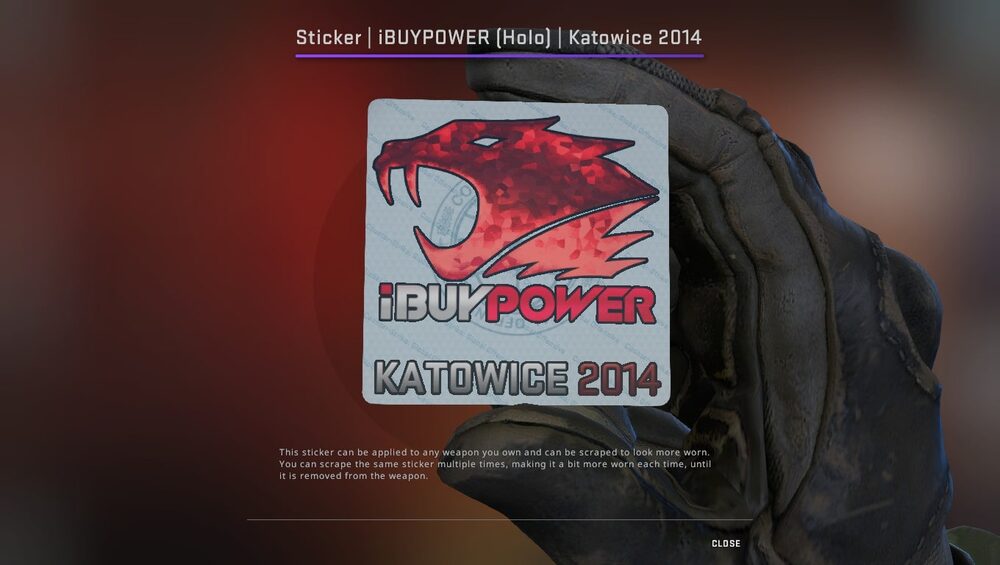
The sticker a ban made famous
iBUYPOWER were North America's best team when they played EMS One Katowice 2014, which put their logo — the red-tipped rocket — into the first Major sticker capsules ever sold. Five months later, in August 2014, the core of that roster threw a CEVO match against NetcodeGuides.com while associates bet skins on the outcome. When Valve finished its investigation in January 2015, it banned DaZeD, swag, AZK, steel and others involved from Valve-sponsored events. The full story is worth reading on its own — we've covered the match-fixing scandal in detail — but the market consequence fits in one sentence: the team never appeared at a Major again, so the sticker never got a sequel.
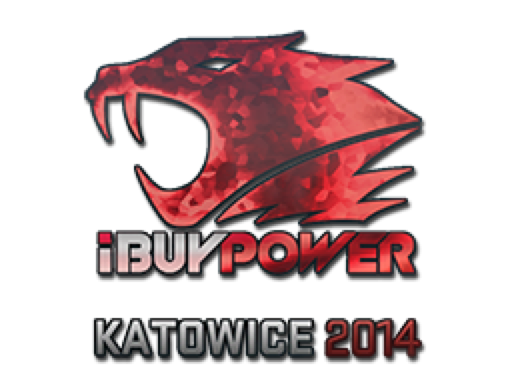
That's the whole trick. Like Titan — dead org, one vintage — iBUYPOWER's supply is a permanently closed set from the one capsule cycle almost nobody bought. Unlike Titan, the reason it's closed is the most infamous story in Counter-Strike, and infamy turns out to be excellent for demand.
How scandal converts into price
It sounds backwards that a disgrace premium exists, but the mechanism is mundane once you unbundle it:
- Notoriety is attention, and attention is demand. Every retelling of the scandal — and it gets retold every time match-fixing surfaces anywhere in esports — is unpaid marketing for the sticker.
- The ban guarantees the closed set. A living team's logo competes with its own future capsules. Valve's permanent stance means iBUYPOWER's rocket can never be reprinted on a Major sticker. The punishment is the supply cap.
- NA nostalgia has few objects. That roster was the region's peak-era hope. For American collectors, this is the relic, the way Titan is for the French scene.
- Grails cluster. Once the Titan Holo established that a Kato 14 holo could be a six-figure item, the iBUYPOWER Holo repriced as its peer. The two are quoted together, chased by the same buyers, and trade in the same private, estimate-heavy tier.
As of mid-2026, pristine iBUYPOWER Holos reportedly change hands deep into six figures, with the paper version itself a five-figure item. All the usual caveats apply: the Steam Market's $2,000 cap pushed every real transaction private years ago, and top-end figures are reported by the parties involved, not by an order book. Treat them as ranges with wide error bars — the same discipline we recommend for every headline sale at the top of the market.
Supply: small, and still shrinking
Katowice 2014 capsules were sold for under a dollar during a roughly two-week event window, to a 2014-sized audience, for a sticker system that was weeks old. Holos were the rare pull within that already tiny print. Twelve years of attrition have worked on the survivors ever since:
| Attrition channel | Effect on tradable supply |
|---|---|
| Crafts | Each application permanently removes a holo; iBUYPOWER crafts on AKs and M4s were popular before prices exploded. |
| Scrapes | Stickers scraped off skins — common in the cheap years — are destroyed outright. |
| Dead accounts | Bans, abandonments, and lost logins strand items forever. Over a decade this is a real number. |
| Deep holds | Grail-tier collectors rarely sell; effective float is far below nominal float. |
This is capsule economics at its most extreme: zero issuance since March 2014, continuous burn, and demand that compounds with the game's growth. The same structure exists in milder forms across every Major capsule — Katowice 2014 is simply the case where every variable went to its limit.
The price path tracked that shrinkage. iBUYPOWER Holos were tens of dollars in 2015 — cheap enough that people crafted them casually, which is precisely why so few clean ones remain. They crossed four figures as the scandal calcified into legend, ran through five during the 2020–2021 boom, and settled into the six-figure conversation alongside the Titan Holo once the CS2 transition guaranteed the vintage would outlive the client it was printed for. Every step higher made holders less willing to sell, tightening the same supply that drove the step.
The irony, and the lesson
Four players lost their careers over skin bets worth, by the standards of what followed and by the standards of the sticker itself, almost nothing. The sticker bearing their team's logo went on to become one of the most valuable items in the economy they were banned from — value created, in large part, by the ban. Nobody designed that outcome. It's what markets do with closed supply and an unforgettable story.
The transferable lesson isn't "buy scandal" — you can't know in advance which items get a story, and story-free Kato 14 holos of forgotten teams did far worse. The lesson is that the structural half of the trade (fixed windows, permanent burn, growing demand) was knowable and repeatable, and it's the half that still exists today at prices with actual liquidity. The narrative half is a lottery. Build positions on the structure and treat any story premium as found money — if one of your holdings ever picks up a legend of its own, that's variance paying you for once, not a strategy you can repeat.