A Short History of Counter-Strike Esports (1.6 to CS2)
A mod from 1999 became the longest-running serious esport on Earth. Every era got its obituary written — and every era ended with bigger crowds than the last.
1999–2011: the mod that built the blueprint
Counter-Strike started as a Half-Life mod and became the backbone of early LAN esports almost immediately. Through the CPL, WCG, and ESWC years, 1.6 established the template modern esports still runs on: national rivalries (the Swedish–Danish–Polish triangle, Team 3D vs the world), the first true dynasties in SK Gaming and fnatic, and the idea that a shooter could be a spectator sport. It was also esports' first real labor market — players like HeatoN and f0rest became names worth flying across continents, in an era when "professional gamer" still required air quotes. The 2004 release of Counter-Strike: Source split the scene for nearly a decade — two clients, two circuits, one fanbase arguing about which was real CS. By 2011 both halves were visibly declining, and the first round of obituaries got written.
2012–2015: CS:GO, the Arms Deal, and the Majors
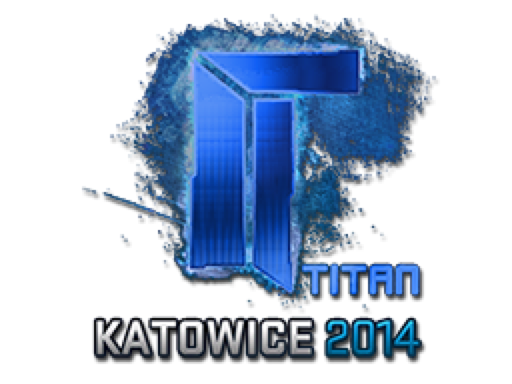
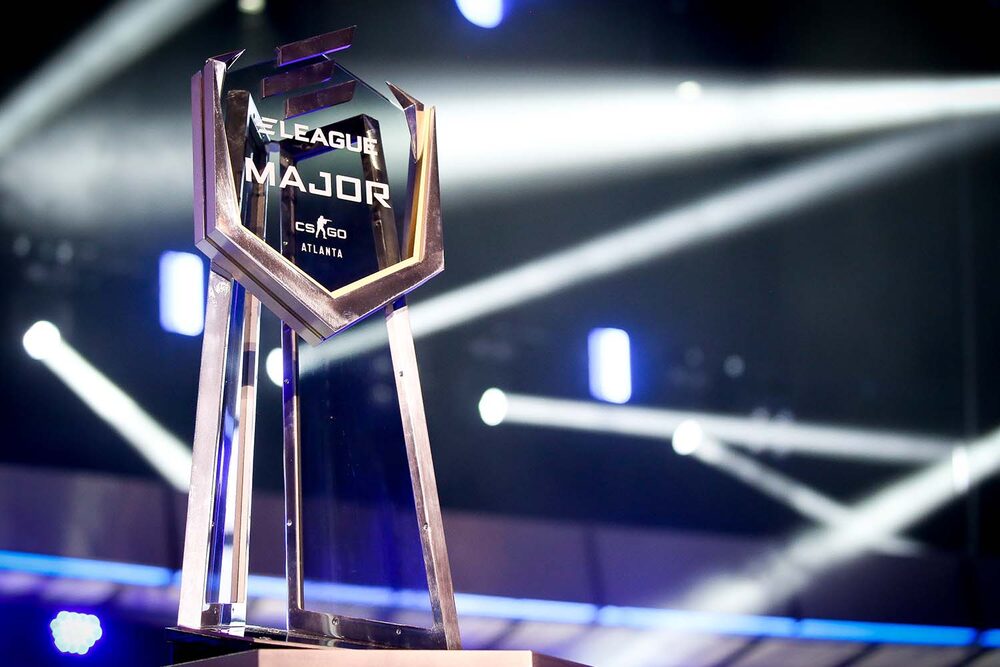
CS:GO launched in 2012 to a lukewarm reception from both camps. Two things saved it. First, the Arms Deal update in August 2013 created the skin economy — and with it a self-funding esports model, since case key revenue flowed into prize pools. Second, Valve launched the Major system: DreamHack Winter 2013, $250k, and a structure that gave the open circuit a canonical world championship. The era belonged to Ninjas in Pyjamas — whose legendary early map-win streak made them the game's first icons — and then to the 2015 fnatic–EnVyUs–TSM triangle. It also produced the artifacts collectors now treat as relics: Katowice 2014 stickers and the souvenir drops of the early Majors.
2016–2019: boom, scandal, and the Astralis era
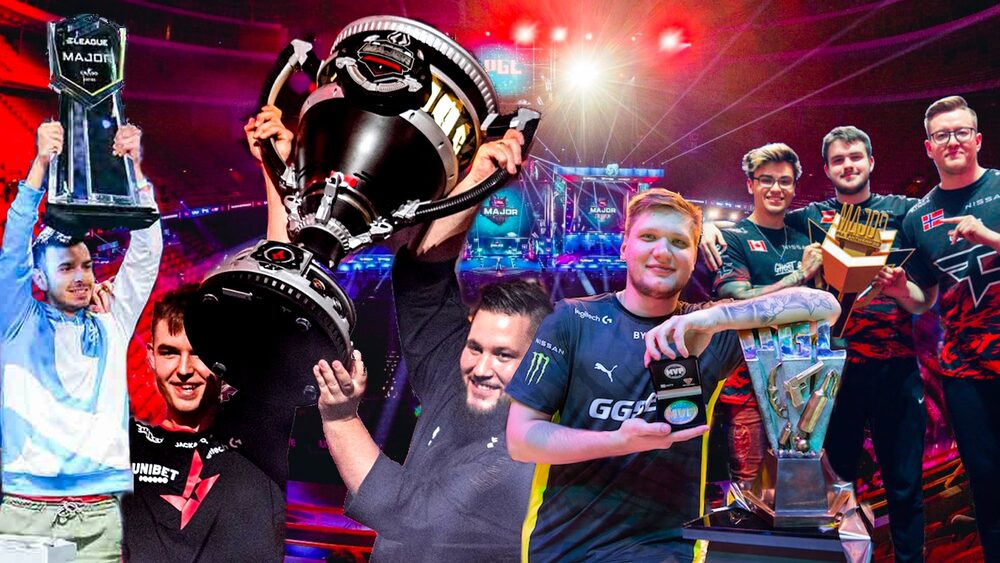
MLG Columbus 2016 quadrupled the Major prize pool to $1M just as the scene hit mainstream scale — and just as its gray economy exploded into the skin gambling scandal that forced Valve's crackdown. Competitively, the era escalated from Luminosity/SK's back-to-back Brazilian Majors to the greatest team the game has seen: Astralis, who took four Majors including three consecutive (London 2018, Katowice 2019, Berlin 2019) and redefined how CS is prepared and played. The same stretch gave NA its miracle — Cloud9 at Boston 2018, the last US Major until Austin 2025 — and ended with CS:GO going free-to-play, resetting the player-count curve that has been climbing since.
It's worth pausing on how unusual that 2016–2019 stretch was structurally. While Overwatch and Call of Duty sold franchise slots for eight figures and League locked its leagues behind buy-ins, CS kept its open circuit — anyone could qualify for anything, and orgs earned their place with results and sticker sales rather than checks to a publisher. At the time this looked like Valve negligence. In hindsight it was the moat: when the franchised leagues' economics cracked in the 2020s, CS's fan-funded open pyramid didn't even wobble.
2020–2023: the online era and the CS:GO sendoff
COVID pushed the circuit online for nearly two years — regional leagues, ping arguments, and a strange competitive vintage with an asterisk. The same lockdowns that emptied arenas flooded the game with players and the skin market with capital, setting up the boom that carried item prices into the CS2 announcement. The return to LAN produced the emotional peaks of the CS:GO era: s1mple's NAVI finally winning at PGL Stockholm 2021 in front of the biggest audience in CS history (~2.7M peak per third-party trackers), FaZe's international roster taking Antwerp 2022, and Vitality winning Paris 2023 — the final CS:GO Major — before the CS2 transition that summer.
2023–2026: CS2 and the new order
The CS2 era reshuffled the hierarchy with unusual speed:
- Copenhagen 2024: NAVI win the first CS2 Major; viewership sets the era record (~1.8M peak per trackers).
- Shanghai 2024: the first Major in China; Team Spirit win behind donk, the era's breakout star.
- Austin 2025: the Major returns to America after seven years; Vitality convert their dominant 2025 form into the title.
- As of mid-2026: the Spirit–Vitality axis defines the top, with The MongolZ leading an unprecedented Asian challenge — the most geographically diverse elite the game has ever had.
Why the game refuses to die
Count the obituaries: 2004 (Source will split the scene — it did, and CS survived), 2012 (GO is a casual downgrade), 2016 (the gambling scandal will take the sponsors down), 2018 (Valorant's predecessors will poach the players), 2020 (the scene can't survive online), 2023 (the CS2 port is undercooked). Six funerals, zero corpses.
Every CS death prediction made the same error: treating the current client as the product. The product is the ruleset — five-a-side, buy rounds, one life — which hasn't fundamentally changed since 1999, plus an economic engine no competitor has replicated. The open tournament circuit funded by the item economy means the sport's revenue comes from fans buying stickers and cases rather than from publisher subsidy, and the skin market gives millions of players a standing financial stake in the game's longevity. Twenty-five years in, both flywheels are still accelerating. The obituary writers have gone quiet; the viewership charts explain why.