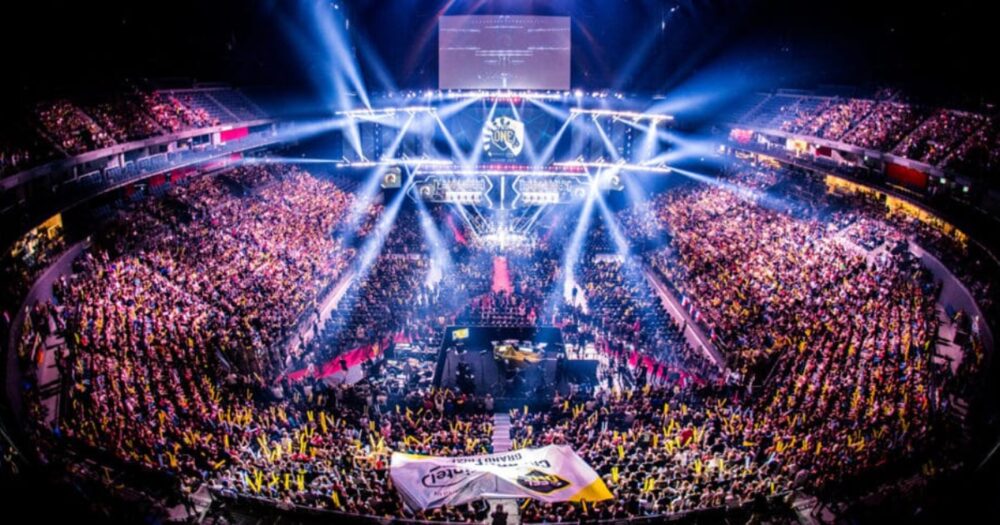
Perfect World Shanghai Major 2024: China Gets Its Major
December 2024: the Major finally traveled to the country that quietly sets the marginal price of half your inventory. Shanghai looked small on western trackers — and that gap is exactly the story.
Why China hosting was overdue
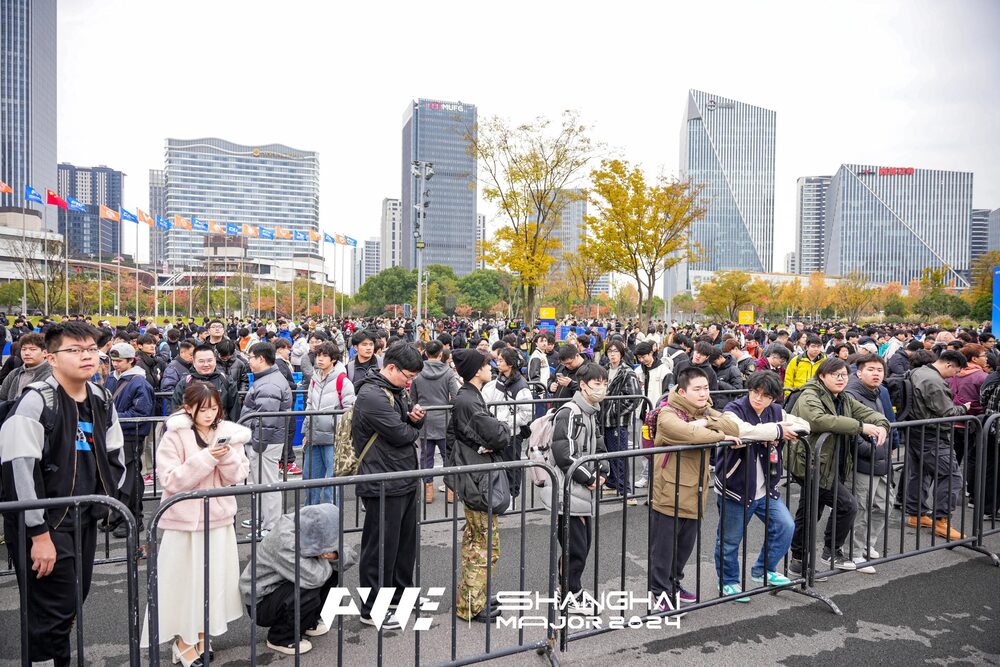
By the time the Major arrived in Shanghai, China had spent a decade as the skin economy's largest single demand pool. Buff and YouPin routinely clear volumes that dwarf western marketplaces, and Chinese bid depth often sets the real price of liquid skins that Europeans think they're pricing. Perfect World — the company that distributes Counter-Strike in China and runs the licensed local client — had been building the competitive and commercial infrastructure for years. A Chinese Major was less an experiment than a debt coming due.
Valve awarding the December 2024 Major to Perfect World in Shanghai made it the first Major ever held in China, closing out CS2's first full competitive year with events on a third continent's soil.
There was also a legitimacy dimension that western fans mostly missed. Chinese CS has always lived in a delicate regulatory position — the licensed Perfect World client, real-name requirements, and periodic policy waves around gaming have shaped how openly the scene could operate. A flagship international event running in Shanghai with full official blessing was a signal, to sponsors and platforms inside China, that Counter-Strike sat on the right side of that line. For an item economy whose deepest bid often comes from Chinese buyers, that kind of soft legitimacy is worth more than any single week of viewership.
The event and the champion
Competitively, Shanghai belonged to Team Spirit, who took the title with donk delivering the kind of tournament that instantly enters the highlight-reel canon — the breakout arc of the CS2 era's defining young star. A Russian-speaking org winning in Shanghai, months after NAVI won the first CS2 Major in Copenhagen, underlined how thoroughly the CS2 era had reshuffled the hierarchy that ended CS:GO.
For the local crowd, the event mattered independently of the bracket: Chinese CS fans had followed the game for two decades through cybercafé culture, licensing gray zones, and the Perfect World client era, without ever hosting the scene's flagship. Shanghai fixed that.
The regional ripple was visible within months. The Asian competitive pipeline — long treated as a Major footnote — has strengthened markedly since, with The MongolZ leading the strongest Asian challenge in the game's history through 2025 and into 2026. One event doesn't build a region, but a home Major gives a region's players, sponsors, and audience a reason to believe the ceiling moved. That's exactly the pattern the scene saw after earlier regional milestones, and it's tracked in the longer arc of CS esports history.
The viewership asymmetry
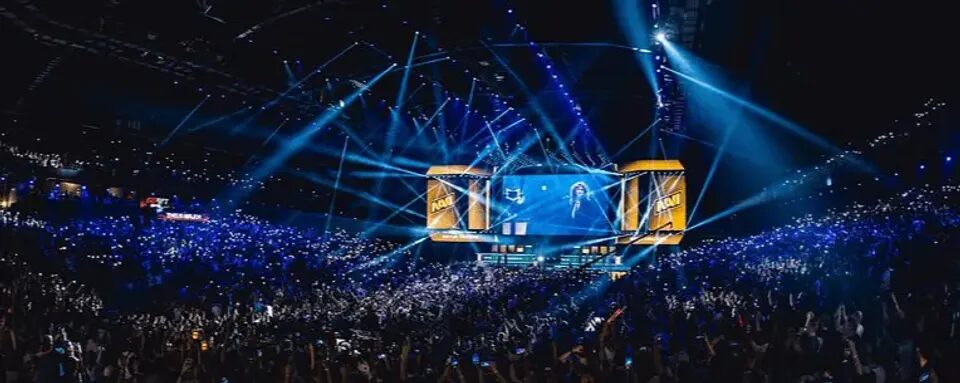
Here's where Shanghai gets analytically interesting. On the western third-party trackers that produce every headline viewership number, Shanghai posted noticeably lower peaks than Copenhagen's ~1.8M — a function of time zones and platform coverage, not interest. Those trackers largely cannot see Huya, Douyu, and Bilibili, where the Chinese audience actually watches.
- What trackers showed: a modest Major by recent western standards.
- What they couldn't show: the domestic Chinese audience, plausibly enormous, streaming on platforms outside the measurement perimeter.
- The honest conclusion: Shanghai is the clearest case study of why Major viewership records should always carry the "per third-party trackers" asterisk.
What Shanghai meant for the market
A Major activates the wallets of whatever region hosts it, and no region's wallets matter more to skin prices than China's. Shanghai's capsule window — team stickers, autographs, the souvenir pipeline — sold into a domestic audience that was fully engaged for the first time, with revenue sharing flowing to teams as usual (the mechanics are in Sticker Money). The event also folded neatly into the calendar effects traders already track: Chinese engagement peaks in December, followed weeks later by the Lunar New Year cash-out season — two China-driven forces pulling in opposite directions within a single quarter.
There was a portfolio lesson in the price action, too. Western traders who expected a China-hosted Major to visibly pump their inventories were mostly disappointed — the demand it activated cleared largely on Chinese venues, in yuan, against Chinese order books. The lift was real but showed up where the buyers were, not where western dashboards look. Shanghai was a reminder that this market's plumbing is regional even when its assets are global.
The bigger structural takeaway: the Major circuit now explicitly serves the Chinese demand base rather than treating it as background noise. For anyone holding CS2 items, that's bullish infrastructure — deeper engagement from the region with the deepest pockets — balanced by the standing caveat that Chinese regulatory posture toward virtual-item trading remains the market's least predictable variable. The general Major-week playbook, which applied in Shanghai as everywhere else, is in how Majors move skin prices.