PGL Major Copenhagen 2024: The First CS2 Major
March 2024 was the moment CS2 stopped being "the new client" and became the game. Copenhagen had to prove the transition hadn't broken the scene — and it answered with the biggest CS2-era audience on record.
The stakes were bigger than the trophy
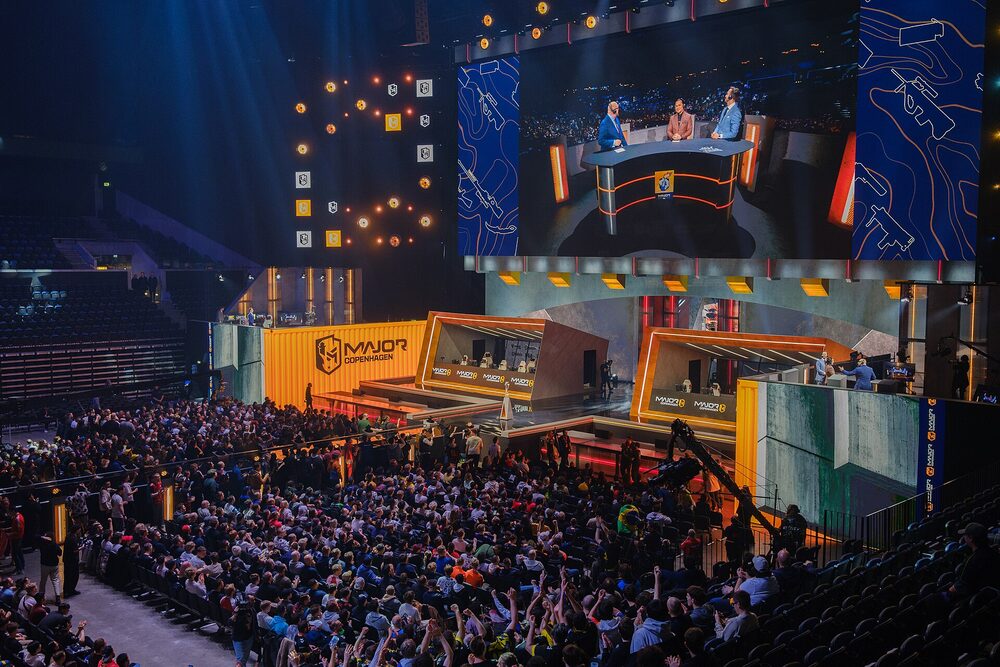
Copenhagen wasn't just the twentieth Counter-Strike Major; it was the first one played on CS2, barely six months after the September 2023 launch. That timing mattered. The transition period had been rocky — missing features, a skeptical competitive community, and a skin market digesting the fact that every item had just survived an engine swap. A flat, buggy, poorly watched first Major would have validated every doubter of the new era.
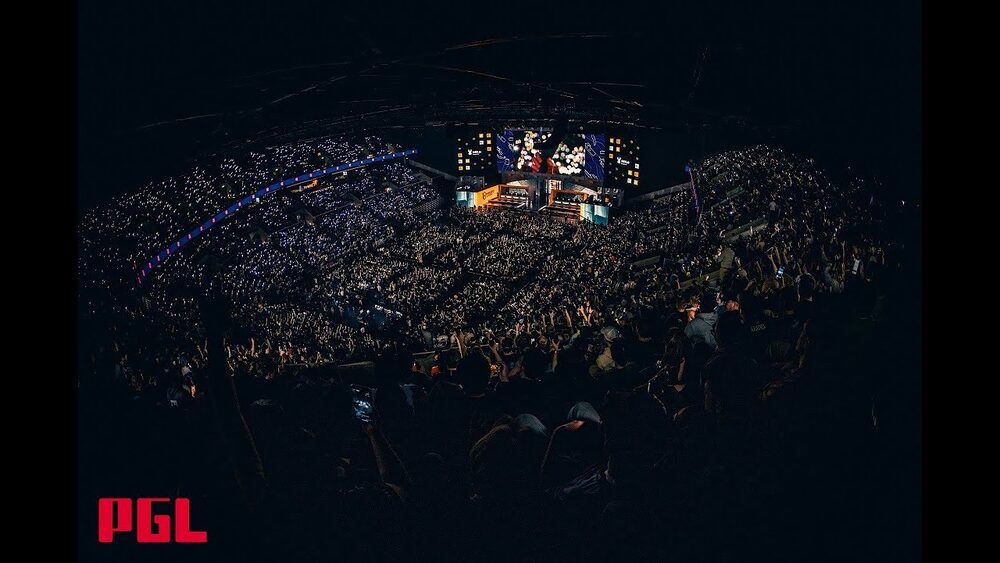
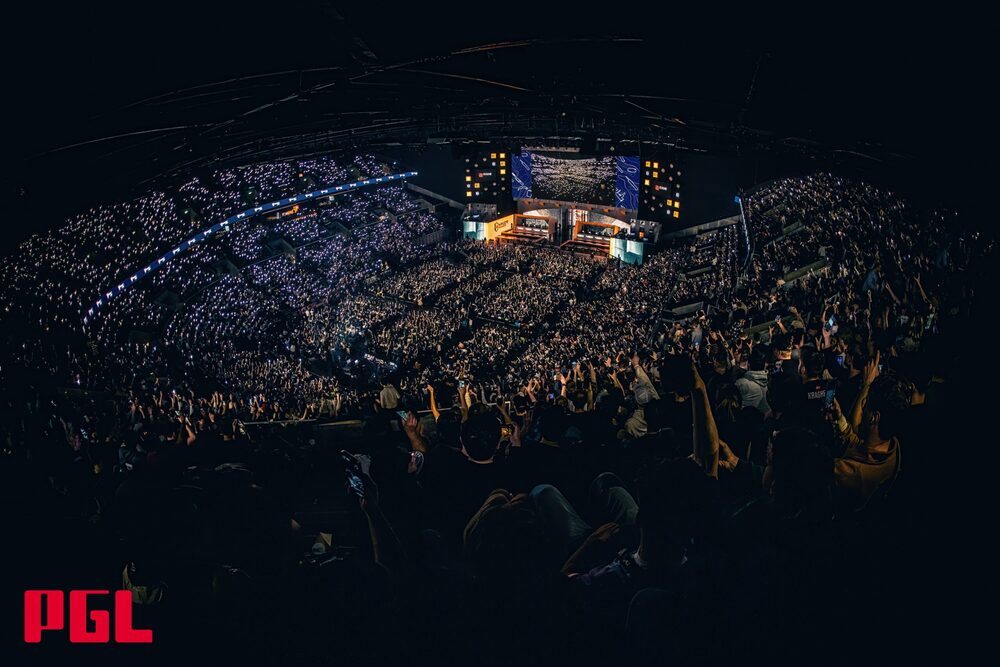
Instead, PGL delivered a clean event in the Royal Arena, and the audience showed up at record scale for the era. The subtext of the whole event was continuity: same Major system, same sticker economy, same stakes — new engine.
The road there was itself a test of the new game. Copenhagen was the first full run of the Major cycle on CS2 — the open and closed qualifiers, the regional RMR events, the whole pyramid that gives the Major its "anyone can climb here" legitimacy — all played on a client that pros had spent the winter publicly criticizing. The qualifying season doubled as a months-long stress test, and by the time the Challengers Stage started, the discourse had visibly shifted from "is the game ready?" to ordinary bracket arguments. That shift was worth more to Valve than any single viewership number.
The numbers
Per third-party trackers, Copenhagen peaked at roughly 1.8 million concurrent viewers — the highest figure of any CS2-era event as of mid-2026, and second in Counter-Strike history only to the anomalous PGL Stockholm 2021. The full arc of that record chase is charted in our Major viewership retrospective; the short version is that Copenhagen beat the final CS:GO Major in Paris by a comfortable margin, which was exactly the data point the scene needed.
- Peak concurrents: ~1.8M per third-party trackers (Chinese platforms largely excluded, as always).
- Era context: above Paris 2023's ~1.5M, below Stockholm 2021's lockdown-era outlier.
- The takeaway: the CS2 transition grew the audience rather than shedding it.
NAVI's title and the storyline
On the server, Natus Vincere won the event, taking the grand final against FaZe Clan to become the first CS2 Major champions. It was a redemption arc for an org that had rebuilt around new pieces after the s1mple era wound down — and it set an early marker that the CS2 era would not simply replay CS:GO's hierarchy. Within a year, Team Spirit's win in Shanghai and Vitality's run through 2025 confirmed the reshuffle.
What Copenhagen did for the skin market
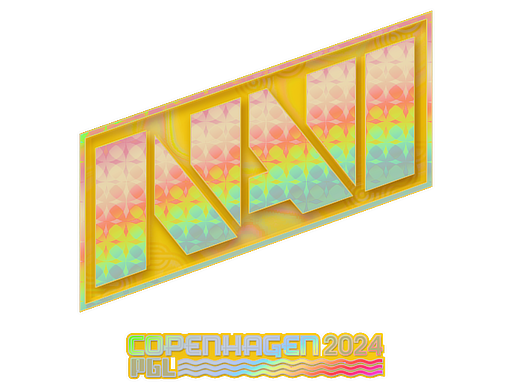
For this site's purposes, the sticker desk mattered as much as the server. Copenhagen minted the first Major capsules of the CS2 era — new team capsules, autograph capsules, and the souvenir pipeline that gives tournament items their provenance. Three market effects stood out:
- The capsule window reopened. Major capsules are sold only during the event window, then never minted again. Copenhagen's capsules were the first test of whether that supply-window trade still worked in CS2 — demand was strong, helped by a player base at all-time highs.
- Teams got paid. A share of capsule revenue flows to the orgs and players on the stickers — widely reported to be substantial, plausibly the biggest single payday of the year for popular teams. That mechanism, covered in Sticker Money, quietly makes Majors load-bearing for esports balance sheets.
- Attention lifted the whole market. Major weeks reliably bring returning players and wallet top-ups; Copenhagen's record audience amplified the usual Major-week price pattern across cases and liquid skins.
The verdict, two years on
The market aftermath is worth a paragraph of its own. Copenhagen capsules followed the standard post-event script — the hype bid faded once the store closed and the supply froze — but they carry a label no later event can print: the first tournament items of the CS2 era. The market has always paid a memory premium for firsts, from the first weapon case to the first CS2-native case, and as of mid-2026 Copenhagen items trade with exactly that collector floor under them. Whether that premium compounds the way early-era CS:GO items did depends on how much supply was vaulted during the window — the perennial unknowable of capsule economics.
As of mid-2026, Copenhagen reads as the inflection point where the "will CS2 be okay?" discourse died. The audience record it set still stands within the era, its capsules trade as the first-edition artifacts of CS2's Major history, and the event template it validated carried straight through Shanghai and Austin. First editions tend to age well in this economy — the market has a long memory for "the first one."