Kilowatt Case: CS2's First Case and the Kukri Knife
Five months after CS2 replaced CS:GO, Valve finally shipped a case made for the new engine — and used it to introduce the first new knife silhouette in half a decade.
February 2024: the drought ends
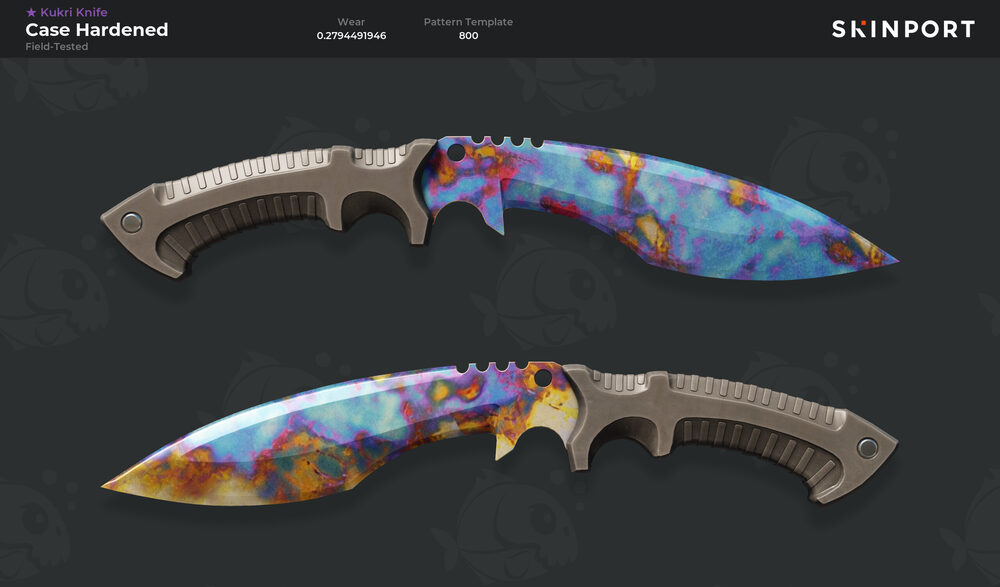
Between CS2's September 2023 launch and February 2024, the game ran on inherited content. Every case in circulation was a CS:GO-era container that had carried across to the new client, and the market spent those months trading scarcity narratives instead of new supply — a textbook content drought. The Kilowatt Case, released in February 2024, broke it. First case designed for CS2's lighting and materials, first new rare special item since Shattered Web's 2019 knife set: the Kukri. The market had been waiting so visibly that the case's existence was priced into older containers before it shipped — the drought had bid up everything discontinued, and Kilowatt's arrival was the signal that the CS2 content engine was finally running.
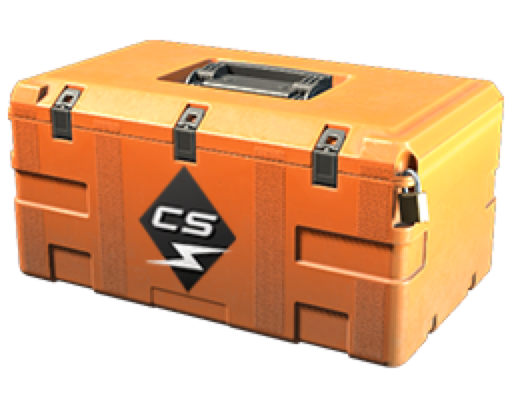
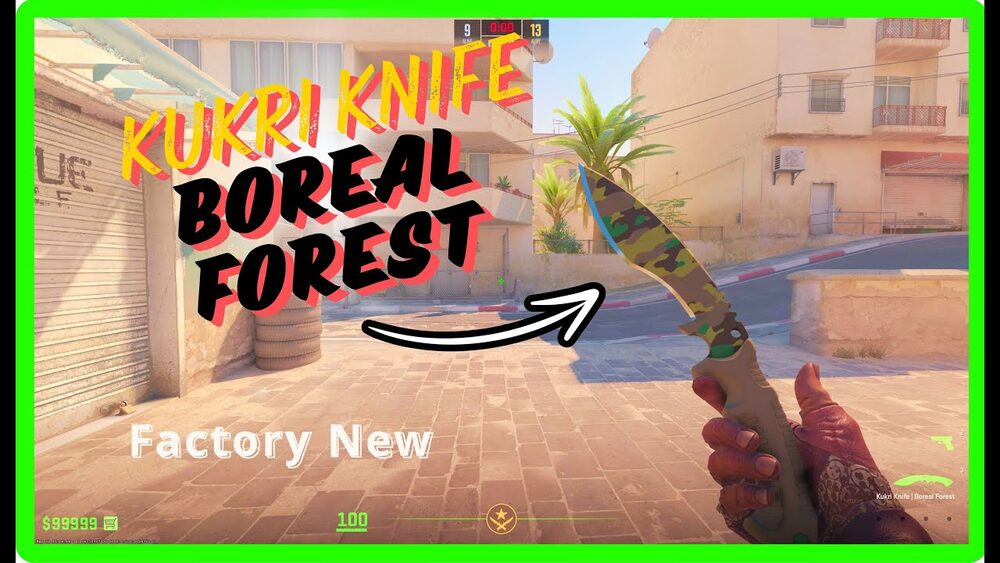
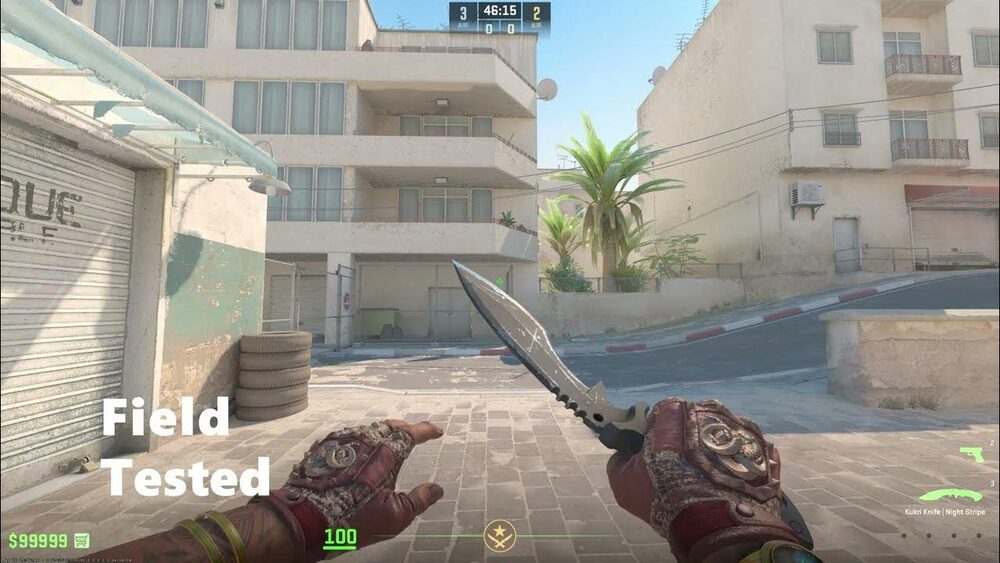
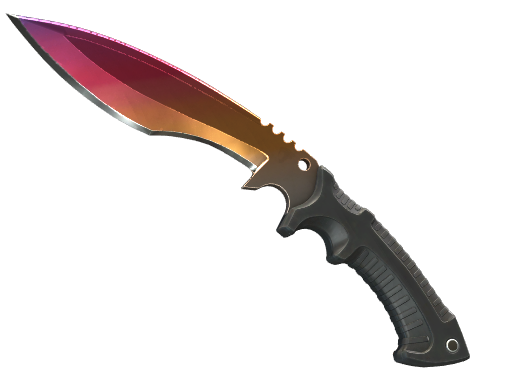
The Kukri mattered more than the case around it. New knife silhouettes are the rarest kind of content Valve ships — a handful in over a decade — and each one resets a corner of the knife market. The Kukri's forward-curved blade and new animations gave CS2 its first era-native status item, the way the Butterfly had defined Breakout's era.
The roster: built to be opened
Kilowatt's lineup reads like Valve engineering opening demand across every budget tier:
- AK-47 Inheritance — the headline Covert, an ornate AK in the "gold-tier" lineage that the market reliably overweights.
- AWP Chrome Cannon — the second Covert, keeping AWP mains in the lottery.
- M4A1-S Black Lotus and the Zeus x27 Olympus — the Zeus skin being a first for the item, a small piece of history in the mid-tier.
- The Kukri set — exclusive to this case at launch, carrying the whole EV calculation the way new-knife cases always do.
Launch price behavior: the lifecycle, compressed
Kilowatt followed the standard release lifecycle, but with CS2-era intensity. The initial listings spiked as always — early cases are scarce for a few days while drops ramp — then the flood arrived faster and heavier than in CS:GO-era launches, because CS2's player counts were running at all-time highs. More players per week means a steeper supply curve, and the case slid toward the flood floor on schedule.
Two things distinguished it from older launches:
- Opening volume was ferocious. A new knife type concentrates demand like nothing else; per third-party trackers, Kilowatt's early open rate ranked among the highest of any modern case. Heavy opening partially offsets heavy dropping — the burn started immediately.
- It launched into a changed distribution world. Within the year, the Armory update added a second channel through which Valve could route case supply, a lever that simply didn't exist for earlier generations. Any long-term supply model for CS2-era cases has to price in that flexibility.
The template for the CS2 era
Kilowatt established what a CS2-native case release looks like: a marquee new item class (the Kukri), Coverts tuned to the meta weapons, and distribution into the largest player base in the game's history. Its aftermath set the pattern too — subsequent CS2-era containers and the Armory's Gallery Case each experimented with how supply enters the economy, while Kilowatt remained the reference point: the last "classic" launch mechanics applied to the first CS2 content.
For accumulators, Kilowatt's long-term profile is a known shape with one open question. The known shape: a very high-supply case that will spend years working off its float, like Fracture before it. The open question: whether Kukri exclusivity persists. If the Kukri stays effectively tied to Kilowatt, the case inherits a Breakout-style demand engine; if the silhouette spreads to future containers, that engine dilutes. That single variable — controlled entirely by Valve — is worth more to the 2030 price than anything else about the case.
As of mid-2026, Kilowatt trades as a cheap, deeply liquid modern case: a volume-tier position with a lottery ticket stapled to it. First-of-an-era provenance has historically aged well in this market — ask anyone who ignored the first case of the CS:GO era at twenty cents.
There's also a quieter argument for the case that has nothing to do with the Kukri: Kilowatt is the cleanest read on CS2-era case economics we have. It's the first container whose entire life — mint, flood, burn — is happening inside the new engine, the new player-count regime, and the new distribution toolkit. Watching its supply trackers over the next few years is close to free research: however Kilowatt's float behaves as it exits the active pool is the best available forecast for every CS2-native case that follows it. The people who studied how Fracture's flood resolved were the ones positioned for the cases that came after; Kilowatt is that reference class for the 2030s.