
Operation Droughts: What Happens When Valve Goes Quiet
The market obsesses over what Valve ships. The more interesting price action happens when Valve ships nothing at all — for a year or two at a time.
Silence is a supply policy
Every case, capsule, and operation is a supply event. So a long stretch with no operation and few case releases is, functionally, a supply freeze — and the market prices it like one. During droughts, the existing stock of cases becomes the only game in town: no new knife line competes for attention, no fresh drop dilutes the active pool, and the deflationary math of openings permanently burning supply runs without any offsetting inflows. Scarcity narratives don't just survive droughts; they compound through them.
The pattern has repeated often enough across CS:GO and CS2 that it's worth treating as a structural feature rather than an anomaly.
A short history of Valve going quiet
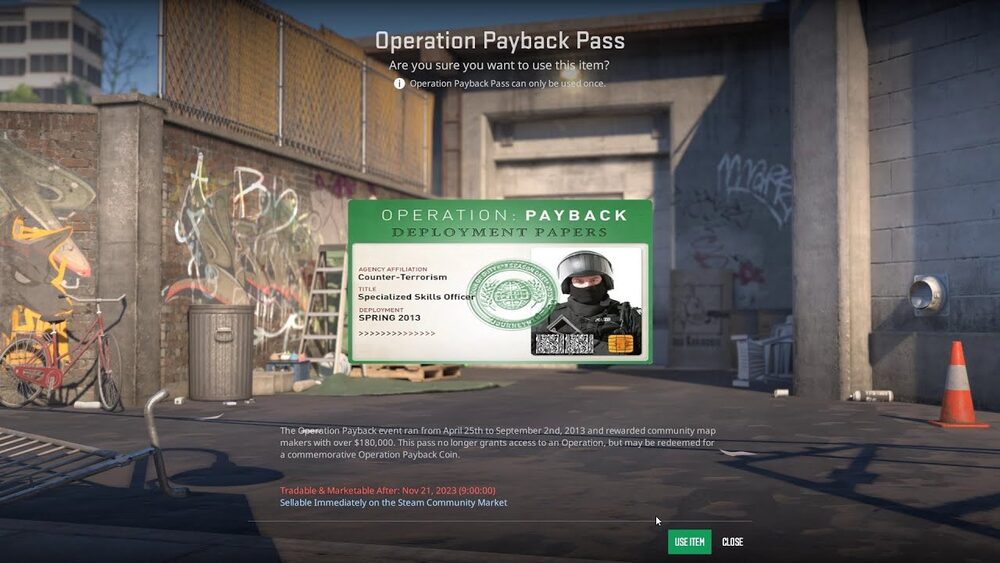
- The operation cadence was never reliable. Operations Payback through Bravo ran back-to-back in 2013, but the gaps stretched later — the stretch between Wildfire (2016) and Hydra (2017) had the community writing obituaries for the format, as did the long pause after Hydra until Shattered Web in late 2019.
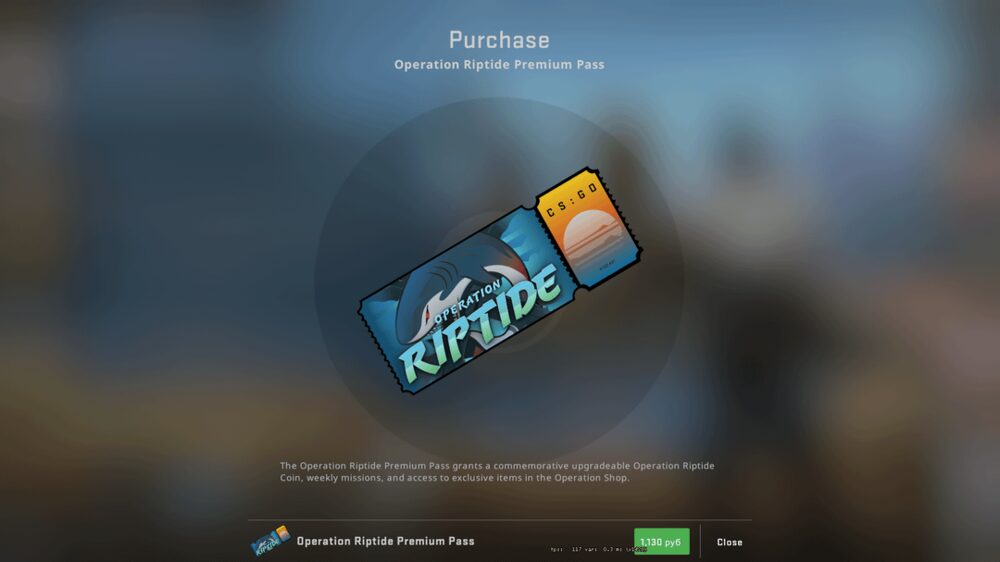
- Post-Riptide, 2022: Operation Riptide ended in February 2022 and no successor arrived. Instead of an operation, 2022 delivered sparse case releases while attention drifted — until rumors of Source 2 began moving prices on their own.
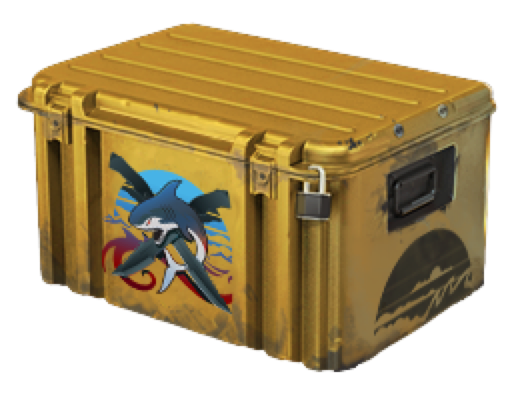
- The CS2 transition drought, 2023–2024: CS2 launched in September 2023 with no operation and, for months, no new case at all. The first CS2-native case, Kilowatt, didn't land until February 2024 — roughly a year after the previous case release. Discontinued cases spent that window doing what they do in a vacuum: grinding up.
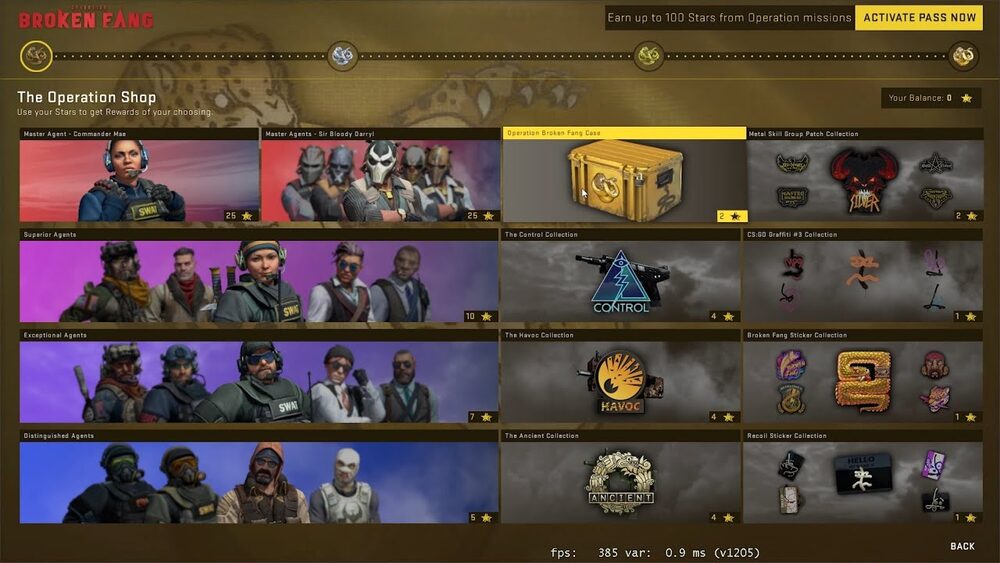
- The Armory era: since late 2024, Armory-gated distribution has blurred the drought concept — new items exist, but their supply is throttled by pass purchases rather than free weekly drops, which keeps the effective drop-pool drought partially in place even when content ships.
What droughts do to prices
Three effects show up repeatedly, per third-party price trackers across these windows:
- Discontinued cases outperform. With no new supply competing, capital that wants case exposure concentrates in the existing float. The blue-chip discontinued cases tend to post their steadiest appreciation during quiet stretches, not during content booms.
- Active-drop cases stagnate. The cases still in the weekly drop pool keep receiving supply throughout the drought — often to fewer competing cases, so each one accumulates float faster. Droughts widen the performance gap between active and retired cases.
- Speculation runs on rumor instead of news. Deprived of patch notes, the market trades leaks, data-mined strings, and anniversary theories. Drought-era rallies driven by "operation soon" chatter have a habit of retracing when the rumor misses — a smaller cousin of the announcement-driven mania of 2023.
Why Valve lets droughts happen
The droughts look like neglect from the outside, but the incentives are more interesting. Valve earns from case openings, Market fees, and — in the Armory era — direct pass sales. A drought doesn't stop any of that: the existing case stock keeps getting opened, and rising prices on retired cases arguably increase opening activity as players chase appreciating knife pools. Meanwhile, scarcity of new content keeps each eventual release enormous — the Kilowatt launch after a year-long case drought generated opening volume that a routine quarterly release never would. Whether or not it's deliberate, the cadence Valve has settled into — long silence, then a heavily-monetized supply event — is close to what a revenue-maximizing schedule would look like. Holders should plan around that cadence persisting, not around the community's perennial hope for a regular operation calendar.
The drought playbook
Droughts are the easiest environment this market offers, precisely because nothing is happening:
- Accumulate boring things on a schedule. Quiet grind-up phases are where DCA does its least glamorous, most effective work — no panic prints to catch, just a slow drift your average entry rides up with.
- Don't pay for rumors. If a case has spiked 20% on a leak, the leak is in the price. Per-item ceilings exist for exactly this moment.
- Expect the drought to end violently. Every drought terminates in a supply event — a new case, an operation, an Armory-style distribution change — that repriced parts of the market within days. Position sizing should assume the quiet ends without warning, because it always has.

As of mid-2026
The word "operation" still carries almost mythical weight in the community precisely because the classic format has been rare in the CS2 era. Whether Valve revives it or keeps iterating on Armory-style distribution, the market mechanics won't change: when new supply stops landing, old supply appreciates, and when supply resumes, it arrives as a shock. Holders who structure for both states — instead of predicting which one comes next — have historically been the ones still holding the thin-supply cases everyone else wishes they'd kept.