Dreams & Nightmares: The $1M Community Case
In 2021 Valve ran a design contest with a $1,000,000 purse and let the community fill an entire case. The result is the purest expression of the workshop economy ever shipped.
The contest: ten winners, $100,000 each
The Dreams & Nightmares contest, announced in 2021, was a first. Valve had paid workshop artists revenue shares for years, but this was a straight prize: one million dollars, split as $100,000 to each of ten winning weapon finishes, all built around a "dreams and nightmares" theme. Thousands of submissions poured into the workshop. For a scene where a finish acceptance was already life-changing money via the revenue share, a guaranteed $100k per winner was an earthquake — and a very public signal that Valve considered community art a core content pipeline, not a side channel.
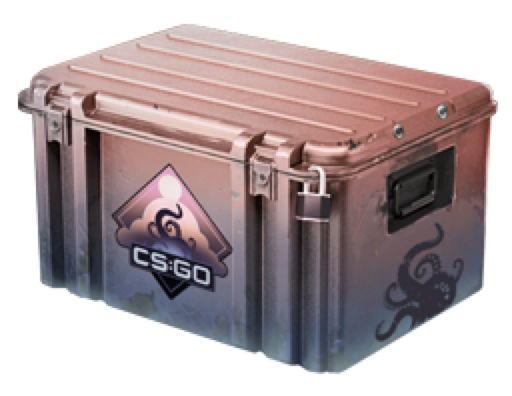
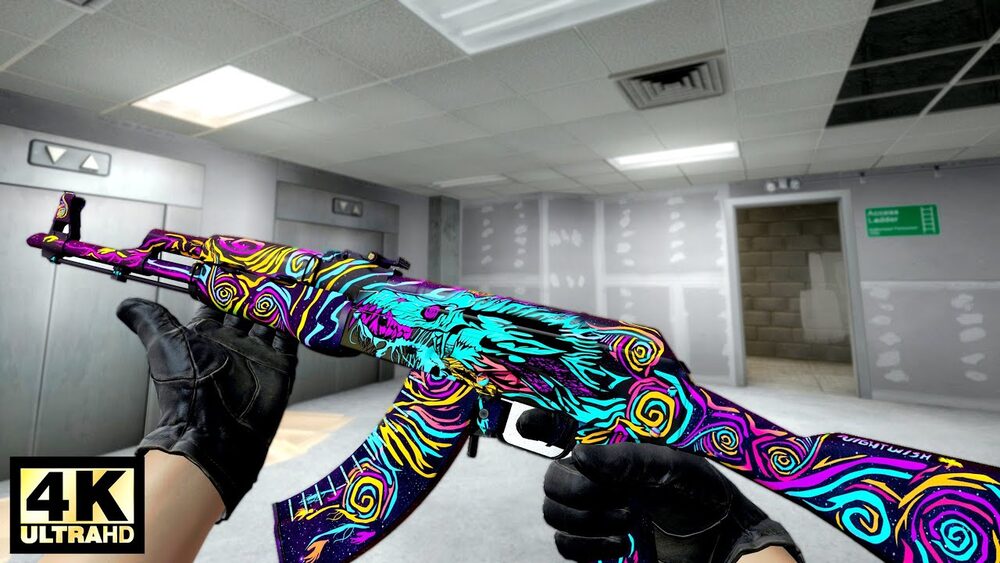
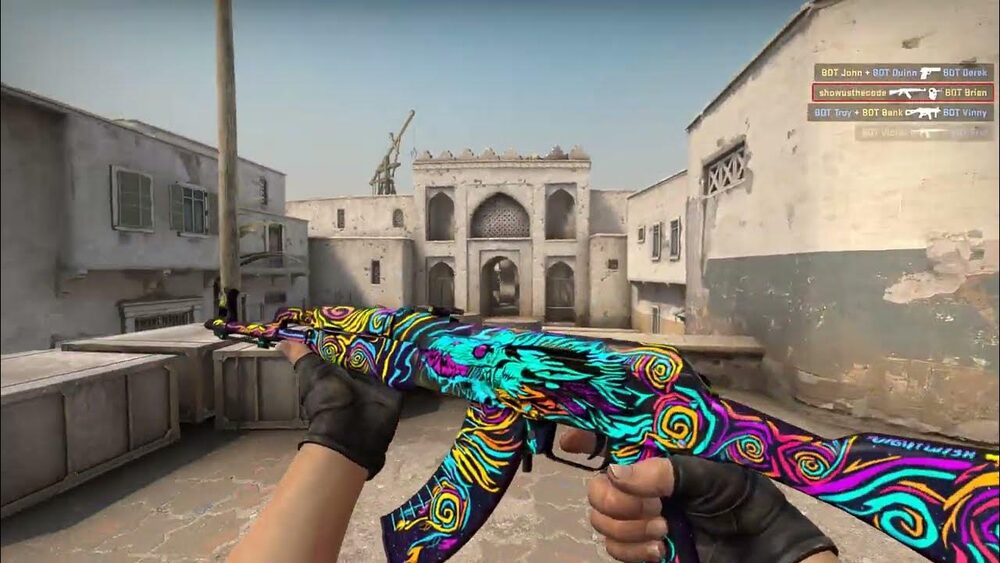
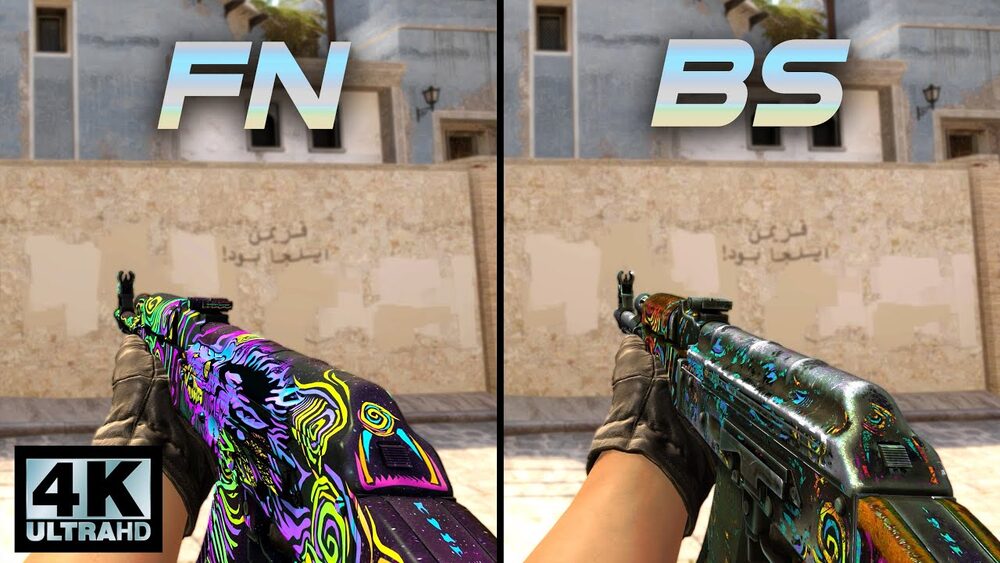
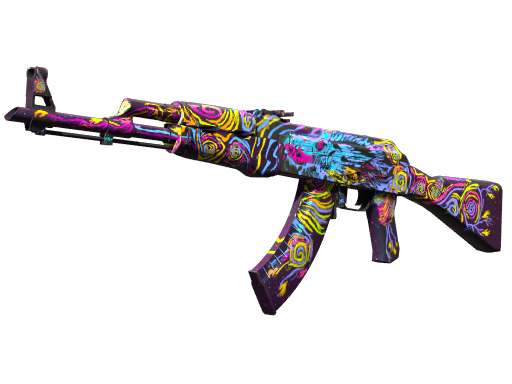
The case shipped in January 2022 with a roster drawn from the contest's theme — fever-dream art like the AK-47 Nightwish leading the Coverts — making Dreams & Nightmares effectively an all-community case celebrated as such in the game's own marketing.
The contest rules themselves shaped the product. Submissions had to be new, unreleased work built to the theme, which pushed artists toward the glowing, surreal, maximalist style the case is known for — a coherent art direction no normal case has, because normal cases are assembled from whatever the workshop's best recent uploads happen to be. Love it or hate it, Dreams & Nightmares is the only container in the game that reads as a curated exhibition rather than a compilation. That coherence is part of why the case stayed culturally visible long after its release window, and cultural visibility is what keeps casual players opening a three-year-old case.
Why the contest mattered beyond the art
The economics of the contest deserve more attention than the art usually gets:
- It repriced workshop labor. A visible $100k floor for a winning finish professionalized the scene further. Established creators already ran studios; after 2021, the pipeline of serious artists — and the polish of submissions — stepped up again.
- It was cheap marketing for Valve. $1M is a rounding error against case revenue, and the contest generated months of community engagement plus a case players felt ownership of. The incentive design is worth studying.
- It formalized what the market already knew. Community finishes had dominated cases for years. Dreams & Nightmares just made the arrangement explicit: the community designs the product, Valve mints it.
The case's market life since
For all its origin-story charm, Dreams & Nightmares trades like exactly what it is: a high-supply modern case. It released into strong post-COVID player counts, spent years in the active drop pool, and got pinned to the flood floor like its era-mates Fracture and Snakebite. The narrative premium of "the $1M case" bought it a bigger release spike and steadier opening volume, but narratives don't override the supply lifecycle — they just add demand at the margin.
The structural details that matter for its long arc:
- The rare slot recycles older knives rather than introducing a new silhouette, so there's no Butterfly-style exclusivity engine underneath it (contrast Breakout). Opening demand rests on the Coverts and the case's cultural cachet.
- Supply is enormous. Per third-party trackers, the unopened float sits in the same cohort as the other 2020–2022 releases — the price story is a burn-down story, measured in years.
- The collectible angle is real but slow. "First community-contest case" is the kind of provenance that matters more each year the case gets older, the way first-edition status compounds for the CS:GO Weapon Case. It's a tailwind, not a catalyst.
Price-wise, the case has walked the cohort's path almost exactly: a release spike into the January 2022 hype, a fast slide to the flood floor, years in the tens of cents, and a slow grind upward as its drop frequency declined through the CS2 era. Per third-party trackers, its unopened float remains among the market's largest as of mid-2026, and openings continue at a steady clip on the strength of Nightwish demand and the case's name recognition. Nothing about that chart is exciting — which, for an accumulation asset, is the compliment.
What it signals about the next decade of cases
Dreams & Nightmares is the template Valve has kept iterating on: community-sourced content, event-driven engagement, and distribution mechanics tuned per era — from classic drops to the Armory-gated cases of 2024 onward. For holders, the takeaway is that the content pipeline is healthy and self-renewing, which underwrites the whole market's demand side: new art keeps players opening, and openings are what burn the sealed supply everyone else is holding.
As of mid-2026, Dreams & Nightmares remains a budget-tier case with a premium backstory — a reasonable volume-tier holding for accumulators who understand they're buying the supply curve, not the legend. The legend is free; the burn-down takes years. Position accordingly, and let the schedule — not the story — decide when you buy.