
Operation Breakout and the Butterfly Knife Phenomenon
Most cases are valued for their Coverts. Breakout is valued for a flipping animation. Twelve years on, that animation still sets the price.
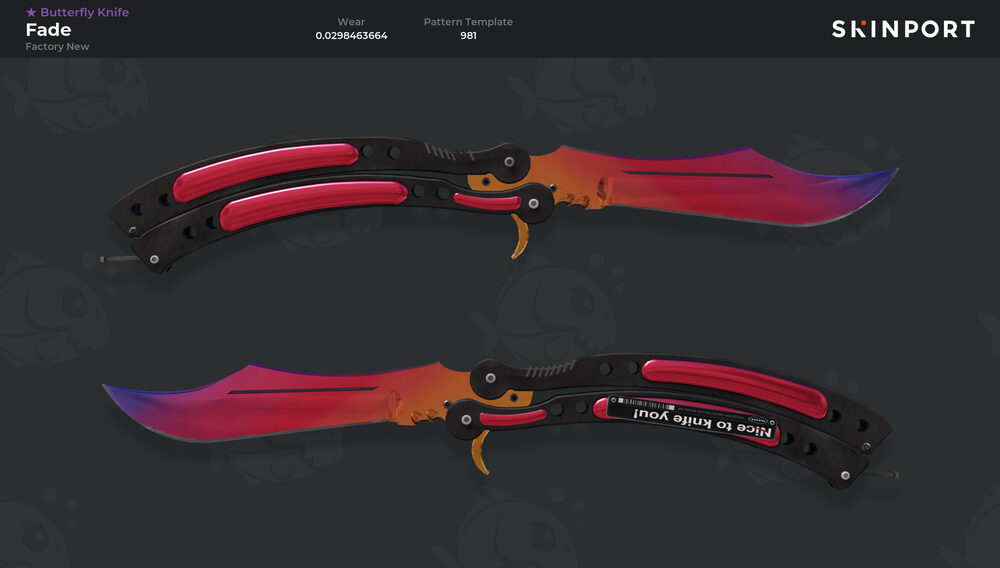
Mid-2014: a case built around a knife
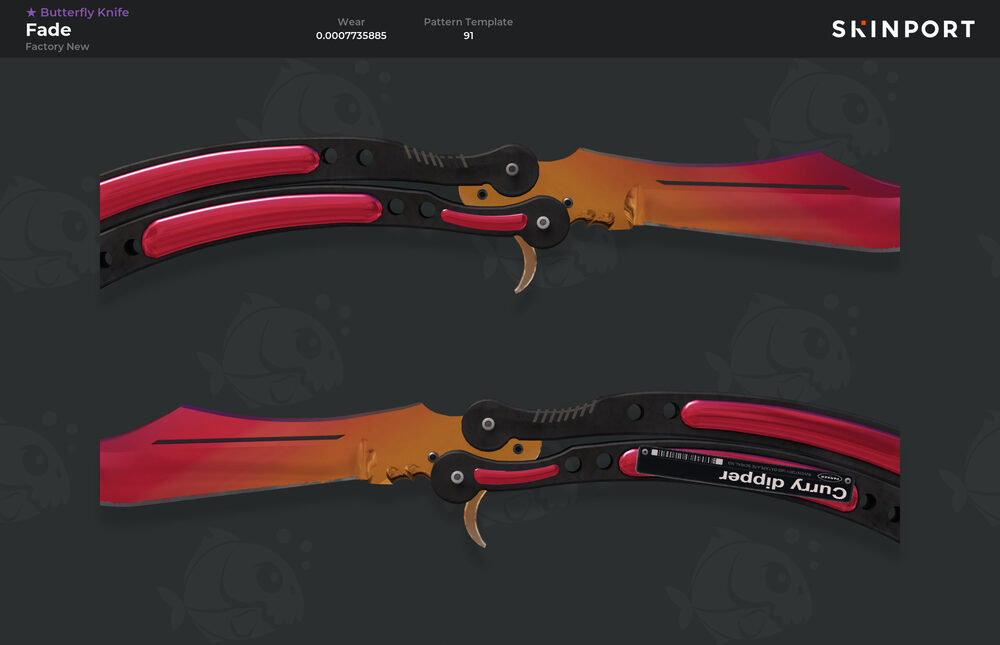
Operation Breakout shipped in mid-2014, in the thick of CS:GO's first real boom — the year of Katowice stickers, the gambling explosion, and weekly all-time-high player counts. The Operation Breakout Weapon Case that came with it did something Valve had never done before: it introduced an entirely new knife silhouette as the case's rare special item. Every prior case recycled the same launch-era knife set. Breakout gave the community the Butterfly.
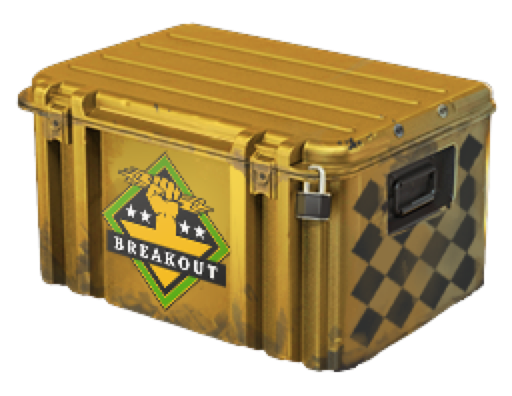
That single decision defined the case's economics for the next decade. The Operation Breakout Weapon Case remains the only classic case that drops Butterfly knives, which means the entire global supply of Butterflies is downstream of one container. When a knife type is exclusive to one case, the case stops being a lottery ticket and starts being a supply valve.
Why the Butterfly premium never decays
On paper, a Butterfly Fade and an M9 Fade are the same rarity class with comparable drop odds. In practice, the Butterfly has traded at a persistent premium over almost every other knife type for years — per third-party price trackers it sits at or near the top of the knife hierarchy alongside the Karambit and M9 Bayonet, and often above both. The reasons are almost entirely non-financial:
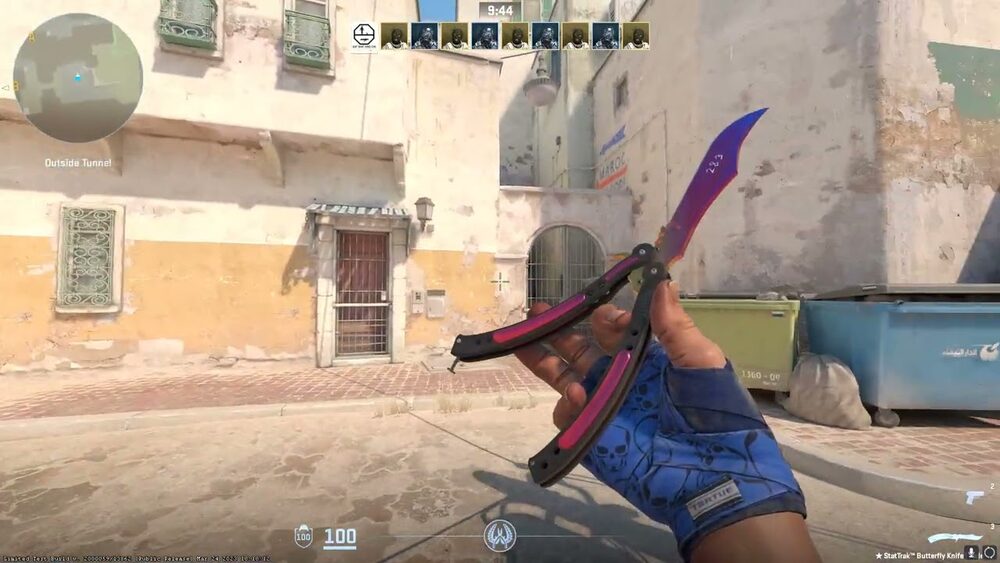
- The inspect animation. The Butterfly's flip is the most elaborate draw-and-inspect sequence in the game. In an economy where items are status objects rendered in first person for thousands of hours, animation quality is a fundamental, not a gimmick.
- Cultural lock-in. A decade of clips, unboxing videos, and pro-player loadouts made the Butterfly the default "dream knife." Demand like that is self-reinforcing — the same dynamic that keeps Dragon Lore on top of the AWP pyramid.
- Single-case supply. Unlike Bayonets, which appear across many containers, new Butterflies only enter the market when someone opens a Breakout case. Every unopened case destroyed elsewhere in the economy tightens the knife's own float.
The result is a feedback loop: expensive knife → higher expected value per opening → more openings → faster destruction of sealed supply → more expensive case → and the knife premium holds because the demand was never about scarcity in the first place.
The rest of the roster carried its weight
Breakout would matter even without the knife. The M4A1-S Cyrex became one of the defining rifle skins of the mid-2010s — clean sci-fi lines that aged far better than most 2014 finishes — and the P90 Asiimov extended the game's most famous art series to a fan-favorite weapon. Glock-18 Water Elemental gave budget players an icon of their own. A case where the mid-tier items stay in demand keeps a steady bid under opened supply, which supports the whole structure the way Bravo's Fire Serpent does for that case.
The price trajectory: a slow-motion squeeze
During the operation window the case dropped widely and traded for pocket change. Once the operation ended, it moved into the rare drop rotation, and the classic pattern took over — the same one visible across every discontinued case:
- 2014–2016: abundant supply, prices in cents, openings driven by Cyrex and Butterfly hype.
- 2017–2020: the grind upward as openings outpaced trickling drops; the case crossed from "pocket change" to "real money."
- 2021–2023: the COVID-era case bull market and the CS2 announcement repriced the whole category; older exclusive-knife cases led the move.
- As of mid-2026: Breakout trades at multiples of its 2020 price, per third-party trackers, with the usual caveat that thin books on old cases make any single print noisy.
What Breakout teaches case buyers
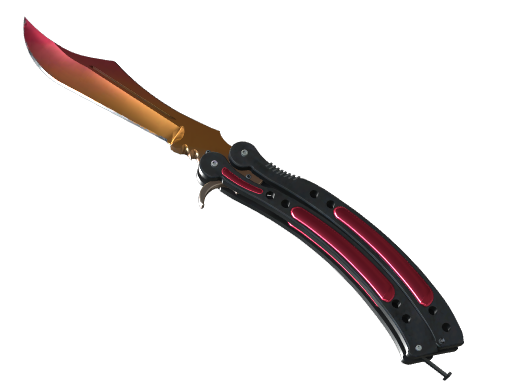
First: knife exclusivity is a structural feature, not trivia. When you evaluate any case, ask what its rare special item is and how many other containers can mint it. Cases whose knives or gloves exist nowhere else — Breakout, the Glove Case, the Chromas with their Doppler phases — have a demand floor that generic-knife cases lack.
Second: the "old case" premium is earned slowly and priced suddenly. Breakout spent years flat before the market repriced it in bursts around Valve events. Anyone accumulating cases like this is better served buying on a schedule than trying to anticipate the reprice — the burst years were precisely the ones nobody called in advance. That's the core argument for averaging in rather than lump-summing a story you read about after the move already happened.
Third: know what you're actually long. Buying sealed Breakout cases is not a bet on the Cyrex. It's a bet that a 2014 flipping animation keeps its grip on the community's imagination. Twelve years of evidence says that's been a good bet — but name the bet honestly before you size it, and treat it as one position inside a wider spread of old-case supply profiles, not a whole thesis.