
The Glove Case: When Valve Sold Us Hands
Three years after selling us painted guns, Valve found the only cosmetic surface players stare at more: their own hands. Gloves arrived in November 2016 rarer than knives — and priced like it ever since.
Brothers in Arms, November 2016
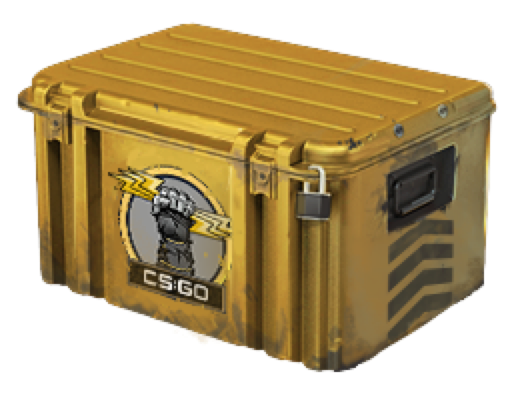
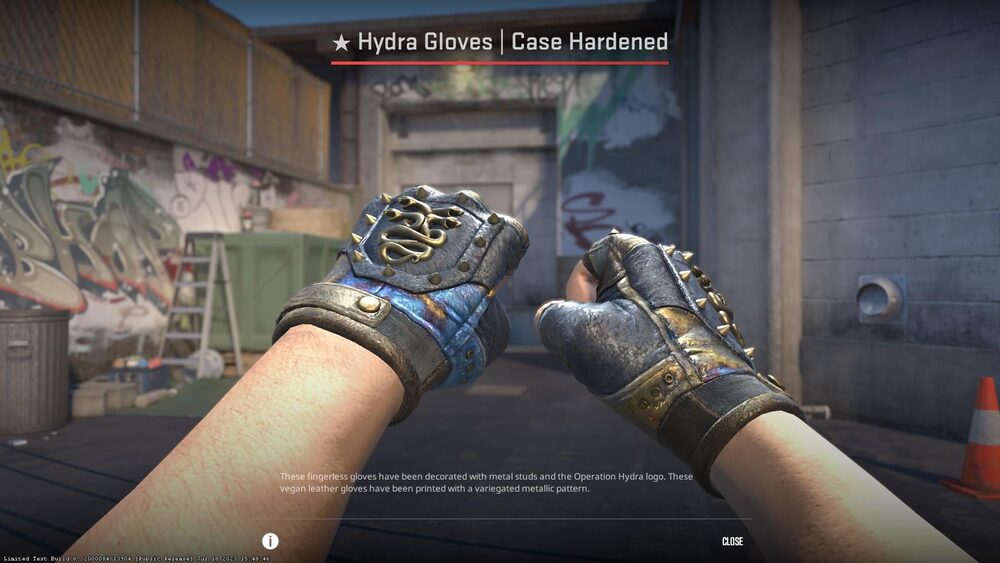
The Glove Case shipped in late November 2016 as part of the Brothers in Arms update, and it did something no case had done since the ★ knife: it created an entirely new item class. In place of a knife pool, the Glove Case's rare special slot contained the first 24 glove skins across six types — Sport Gloves, Specialist Gloves, Moto Gloves, Driver Gloves, Hand Wraps, and Bloodhound Gloves.
Timing matters to this story. Late 2016 was the market's hangover era: the gambling crackdown that summer had drained speculative money and crashed prices across the board. Gloves were Valve's first major new cosmetic surface after the bust — a demand event aimed squarely at players rather than gambling sites, and one of the few 2016 storylines that aged well.
Rarer than knives, by design
What made gloves instantly expensive wasn't just novelty. The rare-special odds in glove cases are the same lottery-grade odds as knives, but the glove pool sliced that probability across two dozen skins, each with wide float-driven appearance swings. Three consequences followed immediately:
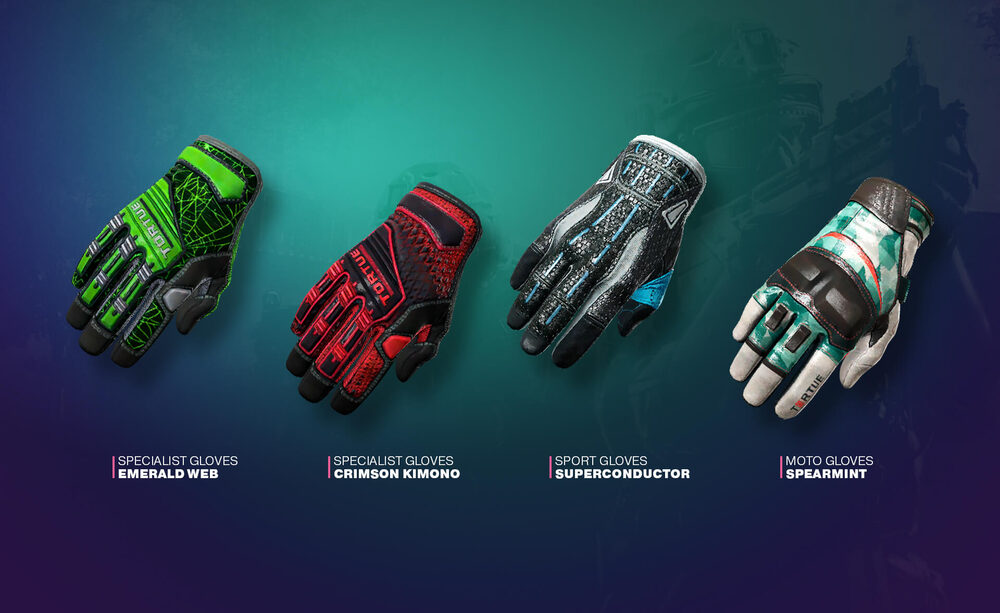
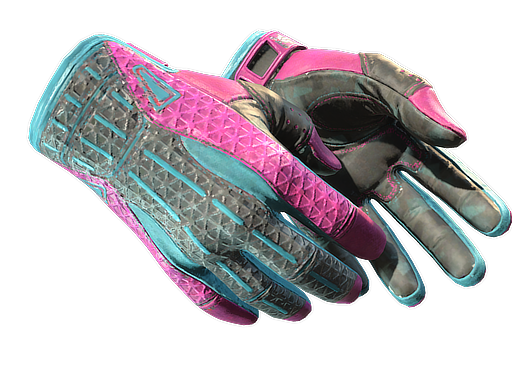
- Grail tiers formed on day one. Sport Gloves Pandora's Box — purple, clean, instantly canonical — became the case's signature pull, with Hedge Maze and Superconductor close behind. Specialist Gloves Crimson Kimono joined them as the case's red-tier icon.
- Float mattered more than anywhere else. Glove finishes degrade dramatically toward Battle-Scarred, so wear value separates a grail from a mess more violently than on most weapon skins. Low-float premiums on top gloves are among the steepest in the game.
- No trade-up path, no souvenir path, no alternative faucet. Gloves come from glove-bearing cases and nowhere else, which keeps the supply story pure: case openings are the only mint.
The weapon pool below the gloves was solid mid-2010s fare — M4A4 Buzz Kill and SSG 08 Dragonfire led the Coverts — but nobody has ever opened a Glove Case for the rifles. The case's economics are a bet on hands.
The hierarchy gloves built
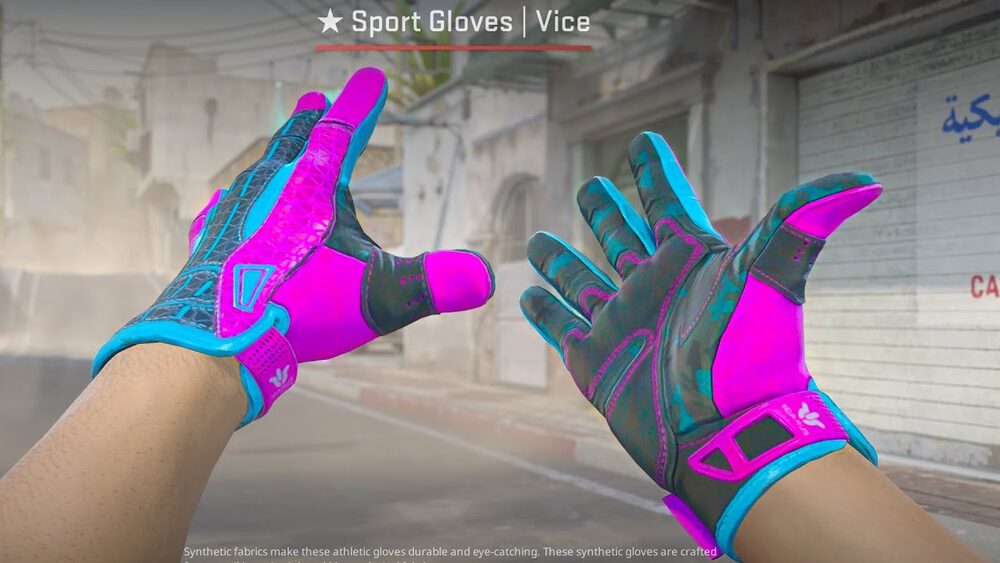
The Glove Case founded a premium culture that later cases extended. The 2018 Clutch Case added the second glove generation — including Sport Gloves Vice, the Miami colorway that eventually became the most wanted pair of hands in the game — and subsequent cases kept adding waves. Through all of it, a stable hierarchy held: Sport Gloves at the top on fit and fame, Specialist and Moto in the middle, Hand Wraps and Bloodhound at the value end. Per third-party sale records, top first-generation gloves in low float have traded well into five figures, with Pandora's Box the perennial headline.
Knives had three years of lore behind their premiums. Gloves hit five-figure prices within months of existing — proof that in this market, a new scarce surface with visible-every-round screen time gets priced like real estate, not like decoration.
The case itself: a supply story in two acts
As a container, the Glove Case ran the standard arc with one distinction: its active-drop window ended relatively early, and it settled into the rare drop pool era with a modest float compared to the mega-supply cases that followed. Per third-party trackers, it spent its early years in the familiar sub-dollar flatline, then compounded steadily once retired — a classic discontinued-case chart, amplified by the fact that its rare-special pool is exclusive first-generation gloves that can't be minted any other way.
That last clause is the investment thesis. Most old cases compete with newer cases offering the same knives. The Glove Case's special pool is only obtainable there, so every collector chasing first-wave Pandora's Box or Crimson Kimono keeps a permanent bid under the case — and every opening they trigger burns another unit of a fixed float. It's the same closed loop that powers Bravo's curve, one tier down in price and one item class over.
The market that almost didn't notice
One underrated detail: gloves launched into peak market pessimism. Late 2016 trading forums were full of exit posts — the gambling bust had convinced a loud contingent that skin values were a dead cat. Glove Case units accordingly got opened and dumped rather than hoarded, and the case spent its early life priced like any other consumable. The people who accumulated it cheaply weren't macro geniuses; they were simply the ones who noticed that a brand-new, unmintable-elsewhere item class had appeared and that sentiment, not supply math, was setting the price. That setup — structurally scarce asset, temporarily depressed sentiment — is rare, but it has recurred at smaller scale after every major market shock since. The Glove Case is the standing reminder that the market's mood and the market's mechanics are separate variables, and the mechanics pay better.
What gloves teach about this market
The Glove Case is the cleanest demonstration that Valve can create a new asset class at will — and that being early to a new class, before its premium culture forms, has historically been one of the best trades available. It's also a reminder of the inverse: whatever Valve creates, it can extend (Clutch-era gloves diluted first-gen exclusivity of the class, though not of the specific skins). For accumulators, glove-bearing cases have earned a place alongside knife cases in a diversified case ladder precisely because their demand runs on a different collector base than knife demand — one more axis of diversification inside a single game's economy.