
The Chroma Cases: Knife Finishes That Changed the Meta
Before Chroma, a knife's value was its type, finish, and float. After Chroma, a single hue shift could 100x an otherwise identical blade. One case line invented the phase market.
January 2015: the first new knife finishes since launch
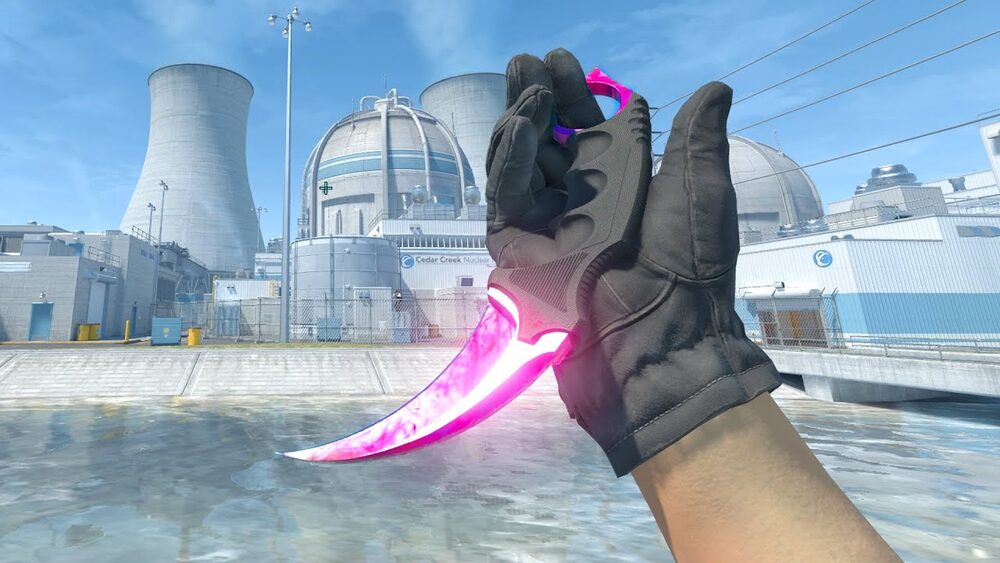
For the first year and a half of the skin economy, every knife in circulation wore a finish from the founding 2013 pool — Fade, Case Hardened, Crimson Web and the rest, unchanged since the Arms Deal update. The Chroma Case, released in January 2015, broke that monopoly with the first all-new ★ finish line: Doppler, Marble Fade, Tiger Tooth, Damascus Steel, Rust Coat, and Ultraviolet.
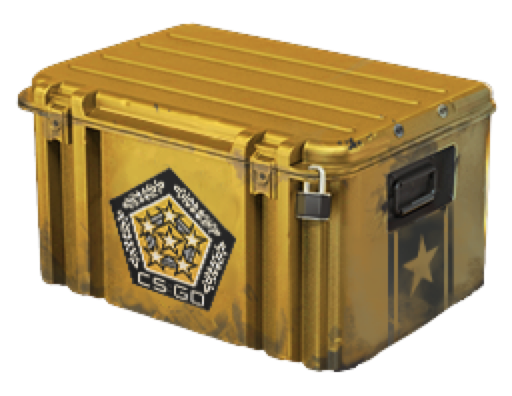
The community reaction focused on the obvious — shiny new knives. The market-structure consequence took longer to sink in: two of those finishes carried internal randomness that would create entirely new valuation dimensions on top of float and pattern index.
Doppler phases: rarity inside rarity
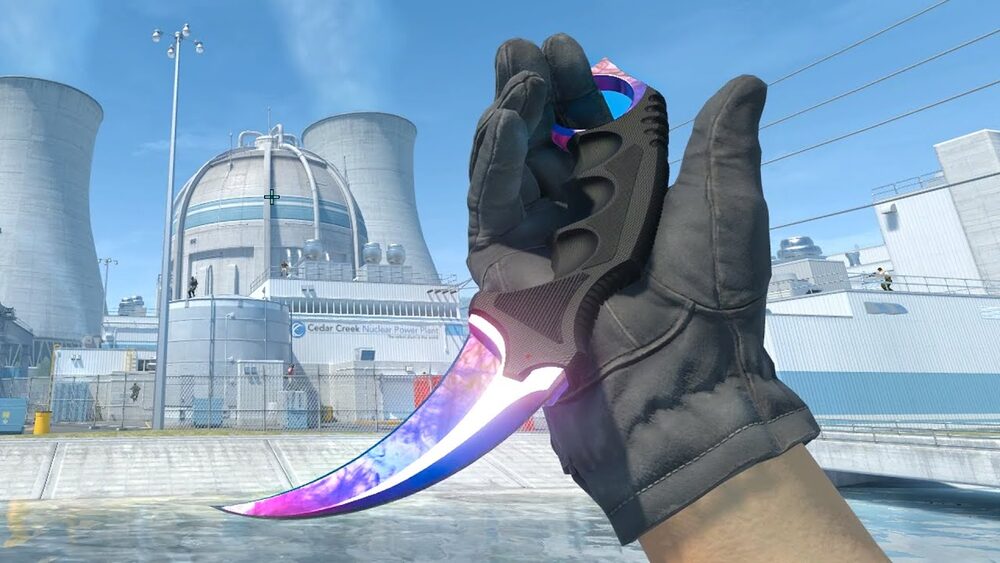
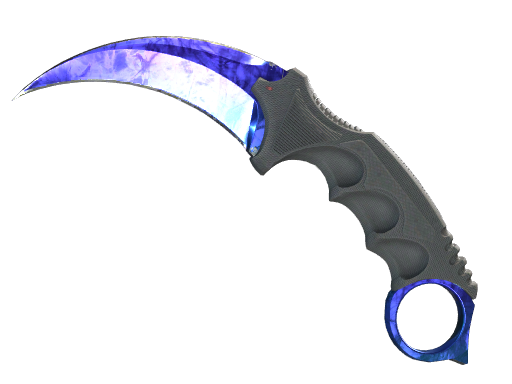
A Doppler knife isn't one skin; it's a lottery within the lottery. The finish ships in numbered phases with distinct looks, plus three rare variants that became legends:
- Phases 1–4 — mixes of smoky purple, blue, and black, each with its own modest premium hierarchy.
- Ruby — solid red, dramatically rarer than the numbered phases.
- Sapphire — solid blue, the community's favorite and typically the most expensive of the trio.
- Black Pearl — dark iridescence, rarest by most estimates, added to Doppler lore slightly later via subsequent case generations.
Marble Fade added its own sub-market: the blend of red, yellow, and blue varies per pattern seed, and "Fire & Ice" patterns — maximal red-blue with minimal yellow — command large multiples over ordinary rolls. Tiger Tooth, by contrast, is nearly uniform, which made it the line's liquid, entry-tier gold knife.
Chroma 2 and Chroma 3: the frontline workhorses
Valve extended the line quickly. Chroma 2 (April 2015) brought the M4A1-S Hyper Beast and MAC-10 Neon Rider — workshop-era art that defined mid-2010s CS aesthetics — while Chroma 3 (April 2016) added the SG 553 Tiger Moth era's community favorites and kept the same knife pool. All three cases shared the Chroma finish lineup, which multiplied the effective supply of Doppler and Marble Fade knives across three containers while spreading unbox demand the same way.
For case investors, the trio's history is a study in lifecycle mechanics: each flooded to pennies during its active-drop years, spent the late 2010s flat, and began the familiar grind upward after leaving the rotation. Per third-party trackers, all three sit at large multiples of their 2015–2016 lows in the CS2 era — solid mid-tier discontinued-case performances, well short of Bravo-tier returns because their supply windows were long and their floats correspondingly deep.
What the phase market did to prices — permanently
Chroma's lasting effect on the market is bigger than its own price charts:
- It created the phase premium economy. Sapphires and Rubies on popular knife types became five-figure items; per third-party sale records, top examples (M9s, Karambits, Butterflies in Sapphire) have traded well into the tens of thousands, with exceptional pieces higher. Ordinary Phase 3s on unpopular knives, meanwhile, trade near finish-floor prices — the spread within one finish now rivals the spread across finishes.
- It industrialized inspection tooling. Phase identification and pattern checking created demand for the third-party inspect ecosystem that every serious trader now runs.
- It changed unboxing psychology. A ★ pull stopped being the end of the lottery — the phase reveal became a second jackpot moment, which keeps Chroma-line cases getting opened (and burned out of supply) to this day.
- It set the template for every knife line since. Gamma Dopplers, and the general principle that new ★ lines need internal rarity tiers, are direct Chroma descendants.
The pricing problem Chroma created
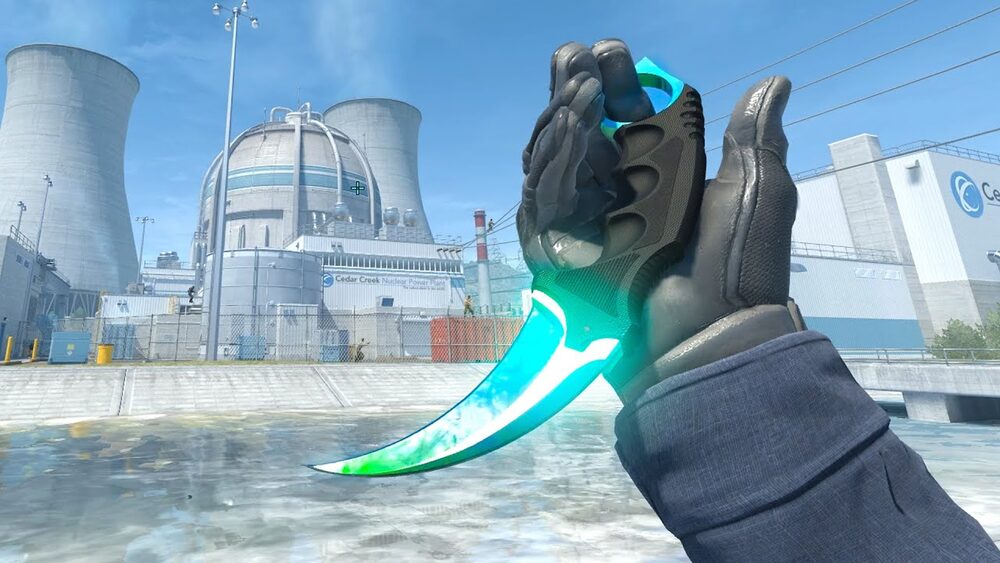
Phases also made knife valuation permanently harder, in a way traders still pay for. A Doppler listing is worthless information without a phase check, screenshots hide the difference between a Phase 2 and a Ruby at certain angles, and float alone tells you almost nothing about where in the internal hierarchy an item sits. That opacity created persistent mispricings — under-labeled phases slipping through Steam Market listings became a whole scavenger sub-profession — and it pushed serious volume toward venues with proper inspect integration and phase filters. If you've ever wondered why valuing a knife requires three tools and a sale-history database while valuing a case requires a glance, the answer is January 2015. The complexity is also, quietly, a moat: markets that are hard to price reward the people who do the homework, and phase knowledge has been compounding for holders since Chroma shipped.
The Chroma trade in 2026
As of mid-2026, the Chroma trio occupies the liquid middle of the discontinued-case market: cheap enough for daily accumulation, old enough that the burn schedule visibly works, deep enough in float that no single whale moves the chart. That liquidity makes them common picks for the mid-tier rung of a case ladder — they lack Bravo's scarcity kicker, but they execute cleanly at size, and their knife pool gives them permanent unbox demand from every new generation that discovers Dopplers. The case that invented the phase market still gets paid by it.