
Operation Bravo Case: The Gold Standard of Case Investing
Ask ten case investors to name the benchmark and nine say Bravo. Operation-gated supply, the most coveted AK in the game inside, and a price chart that has spent a decade embarrassing every other asset class.
An operation exclusive from the start
Operation Bravo ran from September 2013 into early 2014 — the second operation ever, landing barely a month after the Arms Deal update created the economy itself. The Bravo Case dropped during the operation window, with operation pass holders receiving meaningfully better access to the new content loop. When Bravo ended, the case's issuance effectively ended with it.
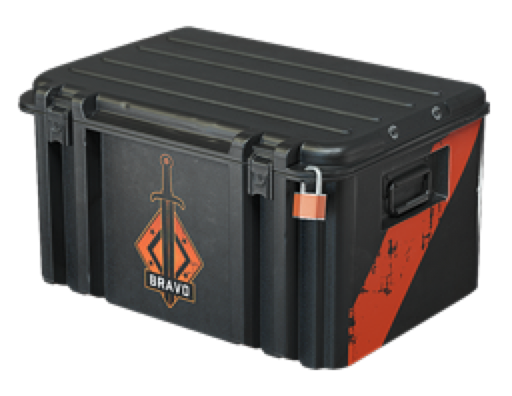
That structure is the entire investment story. Where the CS:GO Weapon Case dropped freely to the whole player base for months, Bravo's supply window was short, early (the 2013 player base was a fraction of today's), and partially paywalled. The result is one of the thinnest floats among cases that still have mainstream recognition — a combination that only a handful of containers share.
The contents: Fire Serpent and friends
Thin supply alone doesn't make a blue chip; Bravo's item pool carries demand that regenerates every generation of players.
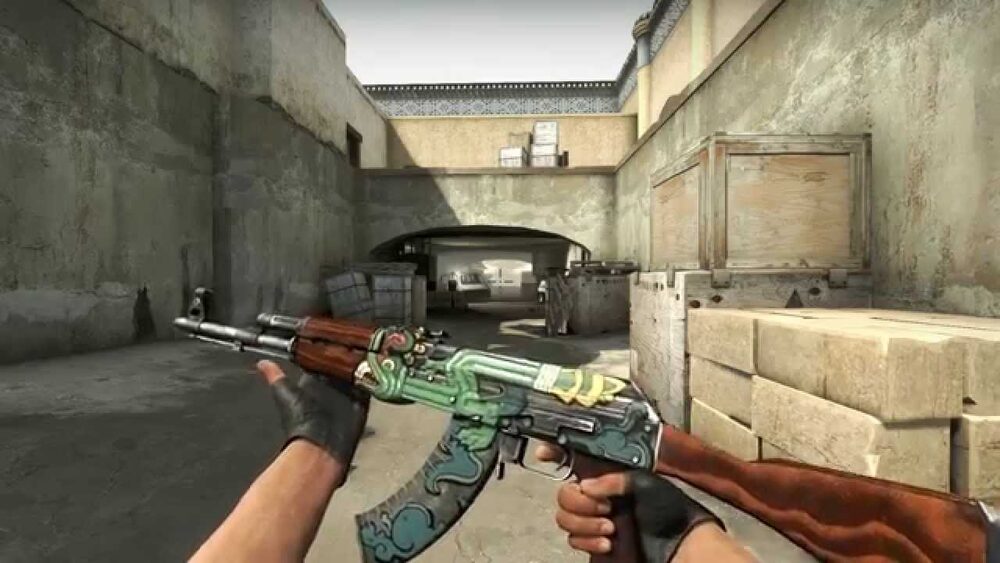
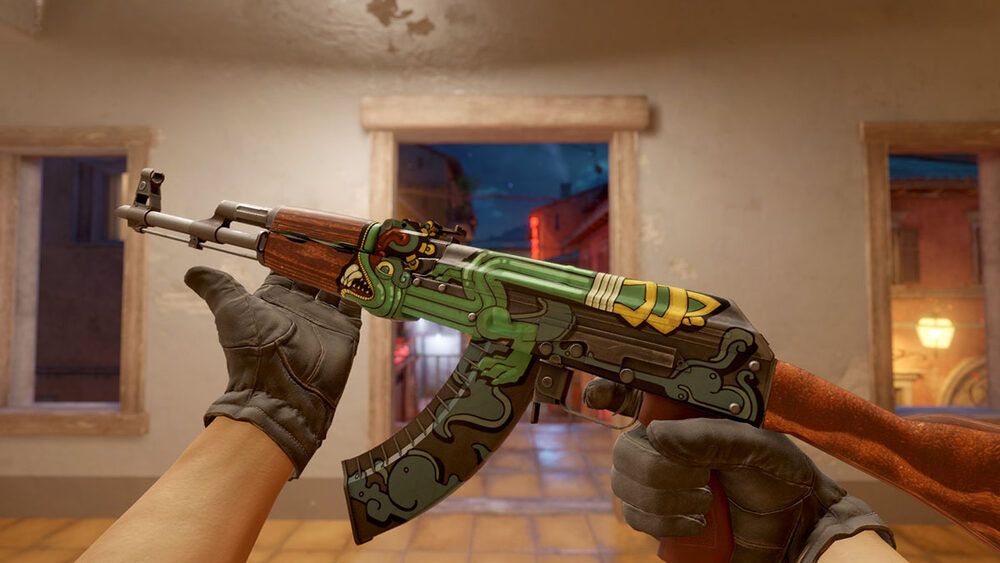
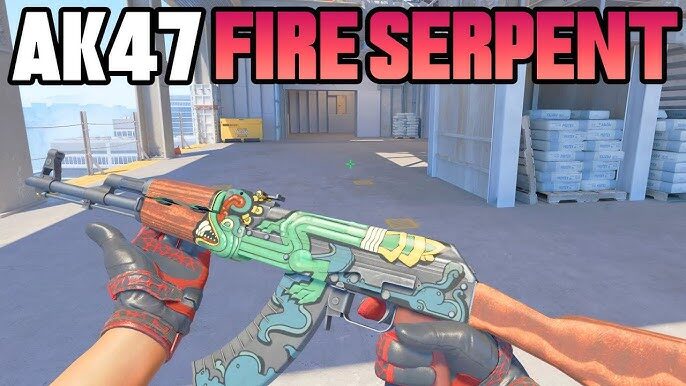
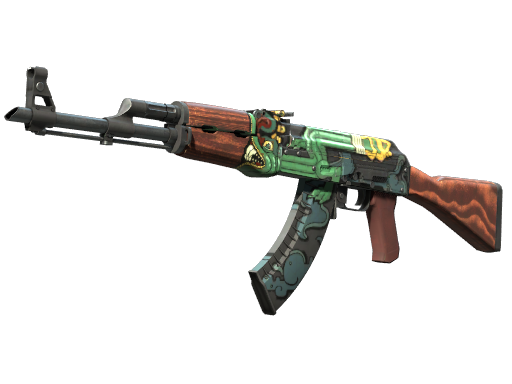
- AK-47 Fire Serpent — the crown jewel, and arguably the most iconic AK skin ever made. Fire Serpent alone anchors the case's unbox demand: it's a five-figure item in high floats with Katowice-craft versions far beyond that.
- Desert Eagle Golden Koi and P2000 Ocean Foam — the supporting Coverts, both distinctly 2013 in style and both collector staples.
- P90 Emerald Dragon, M4A1-S Bright Water, USP-S Overgrowth — a Classified tier full of finishes that would headline a lesser case.
- The original knife pool — Bravo shares the founding ★ lineup, meaning a Bravo unbox can still produce first-generation Karambits and M9s in the founding finishes, including Case Hardened patterns that pattern hunters pay absurd premiums for.
A decade of the same chart
Bravo's price history is unusually clean for this market. Per third-party trackers, the case traded under a dollar during the operation, reached several dollars by the mid-2010s as the float shrank, crossed into the tens of dollars in the late 2010s, and has traded in the tens-to-hundreds range through the CS2 era, with the usual violence around market-wide events. Estimates of its compound annual growth over the full decade generally land in the 30–50% range depending on the window measured — figures that should be read as history, not projection.
Bravo is what case investors mean by "blue chip": not the biggest possible return, but the most repeatable pattern — thin supply, permanent demand from a grail item, and a decade of holders who never got a reason to capitulate.
Two structural details reinforce the curve. First, Bravo units get destroyed at a steady rate because opening one is a lottery ticket for Fire Serpents and founding knives — negative EV as always, but with grail-tier jackpots that keep keys turning. Second, the case is old enough that a large share of remaining supply sits in dead accounts, making the effective float smaller than any tracker shows.
Why Bravo and not its siblings
The operation case format wasn't unique to Bravo — Payback had no case, but Phoenix, Breakout, Vanguard and the rest each shipped one. None of them became the benchmark, and the comparison is instructive. Operation Phoenix's case (February 2014) reused mostly existing knife finishes and dropped to a much larger player base, so its float is deep and its chart ordinary. Breakout got the Butterfly and built a real premium, but its supply window was wider. Bravo won the benchmark slot on the intersection: earliest operation case, smallest contemporary player base, a pass-gated drop structure, and the single most durable grail item of any case. Scarcity or grail-demand alone makes a good case; the overlap of all four made the gold standard. That intersection test — not just "is it old?" — is the right filter for anyone hunting the next Bravo among today's retired cases.
The risks the chart hides
The benchmark case still carries every systemic risk in the market, plus a few of its own:
- Reactivation risk. Valve has occasionally added old cases to rare drop rotations. Any hint of Bravo re-entering circulation would reprice it downward instantly — the flipside of discontinued-case economics is that discontinuation is a policy, not a law.
- Liquidity thinning at altitude. As unit price climbs, the buyer pool narrows and spreads widen. Bravo trades more like a collectible and less like a commodity every year, which makes exit execution a real skill.
- Event beta. Bravo was not spared in the 2025 trade-up shock or any other market-wide drawdown. Blue chip means it recovered — not that it didn't fall.
Bravo's role in a portfolio
For most accumulators, Bravo functions as the premium tier of a case ladder — the small, high-conviction slice above the liquid mid-tier discontinued cases and the cheap active-drop volume plays. Its unit price makes daily accumulation lumpy, which argues for either a dedicated savings-style allocation or exposure through the cheaper cases running the same supply mechanics a few years behind. Either way, Bravo remains the reference chart: the cleanest proof this market has that patience plus burned supply is a strategy.