
CS:GO Weapon Case: The Case That Started Everything
Serial number one. The first case Valve ever shipped dropped so freely in 2013 that players deleted it as clutter — and it now trades at prices that make it the market's founding artifact.
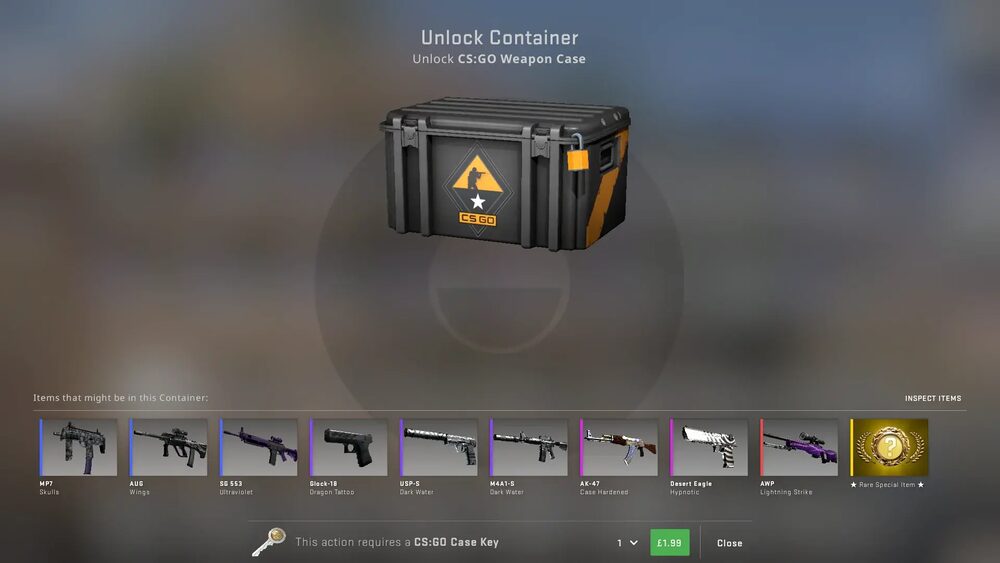
The first of its kind, literally
When the Arms Deal update landed on August 13, 2013, it brought two containers into existence. The eSports 2013 Case had a funding gimmick; the CS:GO Weapon Case had no gimmick at all. It was simply the flagship: the default container of the new economy, dropping from playtime for everyone, openable with a $2.49 key. Every case Valve has shipped since — dozens of them — is a descendant of this yellow-striped box.
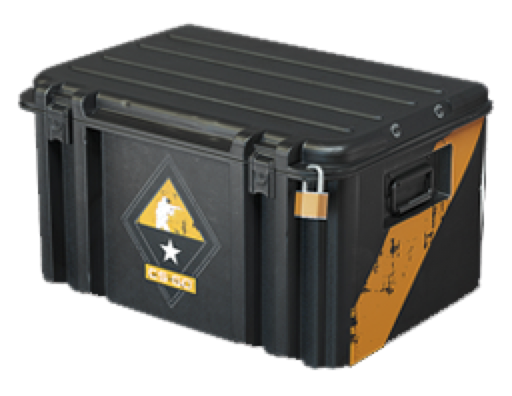
First editions matter in every collectible market, and the skin economy is no exception. The Weapon Case's status as container number one gives it a collector floor that has nothing to do with its contents — though the contents turned out to be historic anyway.
What's inside: a museum of firsts
The item pool reads like a founding document:
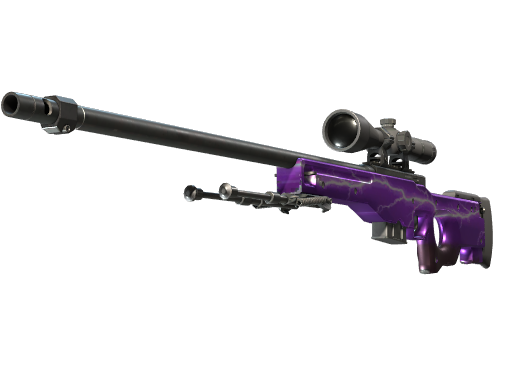
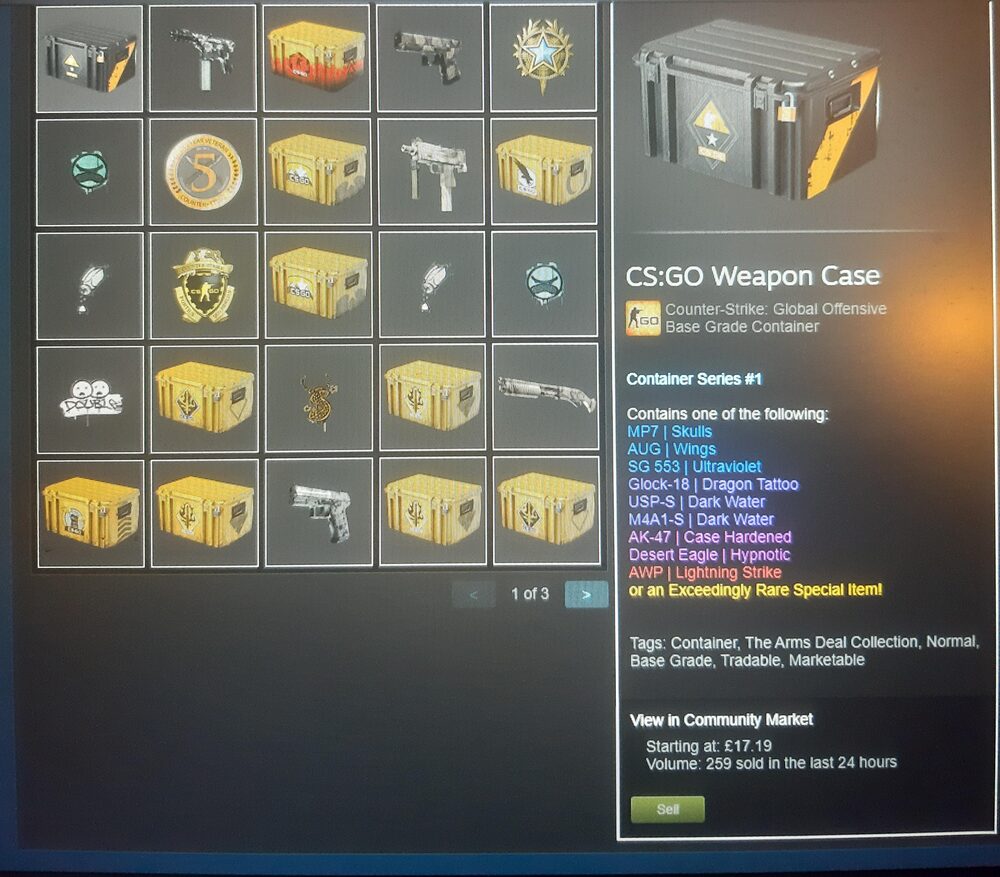
- AWP Lightning Strike — the original Covert AWP, still one of the cleanest first-generation finishes and a StatTrak favorite for over a decade.
- AK-47 Case Hardened — the skin that would eventually spawn blue gem pattern culture, including the #661 scar pattern that turned a mid-tier Classified into a six-figure grail.
- Desert Eagle Hypnotic and Glock-18 Dragon Tattoo — pistol icons of the 2013–2015 era.
- The original knife pool — Bayonet, Flip, Gut, Karambit and M9 in founding finishes like Fade, Crimson Web, Slaughter and Case Hardened. The first ★ unboxings in history came out of this case, and Case Hardened Karambits from this pool include the pattern that produced the most expensive CS item ever known.
From deleted clutter to blue chip
The price history is the entire thesis of case investing compressed into one chart. In late 2013, Weapon Case 1 traded for a few cents — supply flooded in via drops, and players routinely deleted cases to tidy their inventories. It left the active drop rotation as new cases displaced it, and the float began its one-way shrink: every opening burned a unit, no mechanism ever mints another, and an unknown but large share of the remaining supply sits forgotten in abandoned accounts — functionally destroyed.
Per third-party trackers, the case crossed a dollar around the mid-2010s, tens of dollars by the early 2020s, and in the CS2 era has traded in the hundreds — a multiple in the thousands against its 2013 price, before even counting the extreme low of its early float. Precise figures move weekly; the direction hasn't changed in a decade.
| Era | Status | Indicative price regime |
|---|---|---|
| 2013–2014 | Active drop, flood supply | Cents |
| 2015–2019 | Retired, float shrinking | Dollars |
| 2020–2023 | Recognized scarcity, CS2 hype | Tens of dollars |
| 2024–2026 | Museum piece | Hundreds, per trackers |
Owning one in 2026: practicalities
Trading Weapon Case 1 today is a different sport from trading ordinary cases. Daily volume is thin, so the spread between the best bid and best ask routinely runs wide, and a single motivated buyer or seller can move the printed price double digits. Venue choice matters disproportionately at this tier: Steam Market prices carry the usual fee-and-wallet-lock distortion, while cash marketplaces price it lower but thinner — checking both sides before any transaction is worth several percent, which at this unit price is real money. Sale-history charts matter more than order books here, because the last five actual fills tell you what the case is worth far better than a hopeful ask sitting alone on a thin book. Condition is mercifully not a factor — a case is a case — but provenance-adjacent quirks like old storage-unit hoards surfacing can dump supply without warning. Most holders treat it accordingly: a buy-and-forget collectible position sized small, not a trading instrument. The people who day-trade the museum piece mostly pay the spread for the privilege.
Why nobody can rerun this trade
The obvious question — "which case today is the next Weapon Case 1?" — mostly misunderstands what happened. Three ingredients made this chart, and only one is repeatable:
- Historical primacy can't recur. There will never be another first case.
- Total obliviousness can't recur either. In 2013 nobody hoarded because nobody knew. Today, case investing is a documented strategy, so new cases carry hoarding demand from day one — which front-loads price and caps the multiple.
- Supply attrition is the repeatable part. Every discontinued case runs the same burn schedule; the returns are smaller than Case 1's but driven by identical mechanics.
That's the honest frame for buyers in 2026: you can't buy 2013 obliviousness, but you can buy the burn schedule. Weapon Case 1 itself now behaves like a thin-supply collectible — wide spreads, headline-sensitive, moved by single whales — while the mid-tier discontinued cases still trade like liquid instruments where systematic accumulation actually executes cleanly.