The First Knives: When a Bayonet Broke a Community's Brain
The Arms Deal patch notes never mentioned knives. Players found out from a gold star in someone's inventory — and the scramble to understand what ★ meant created knife culture as we know it.
The item nobody was told about
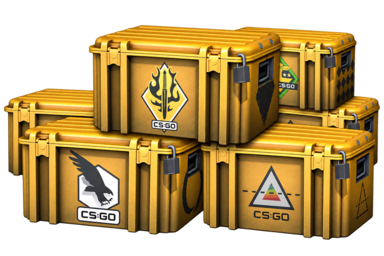
When the Arms Deal update shipped on August 13, 2013, the announcement talked about weapon finishes, two cases, and keys. Knives were nowhere in the copy. They existed only as the "Exceedingly Rare Special Item" — the gold line in the case-opening odds that most players assumed was marketing garnish.
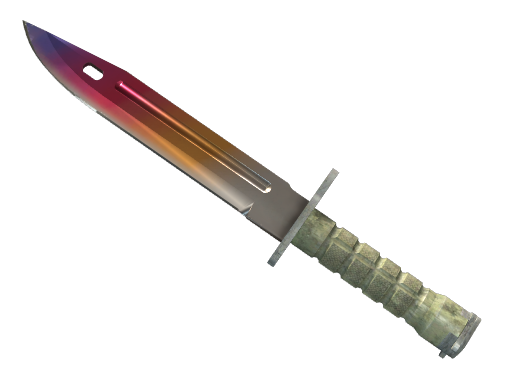
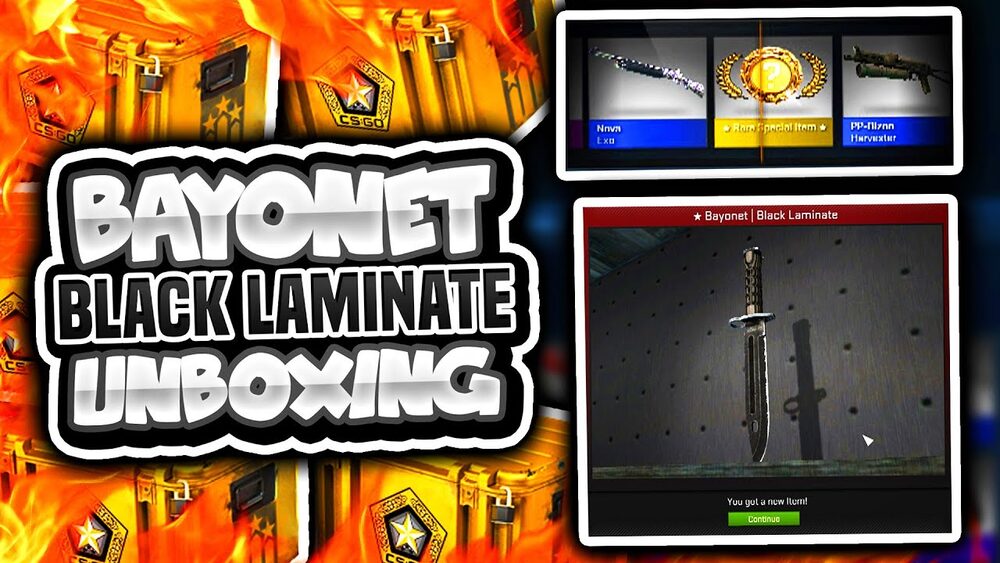
Then the first screenshots hit the forums and subreddit: a knife with a ★ in front of its name, a rarity color nobody had a name for, and an equip slot that replaced the default knife every player had used for a decade. The original drop pool spanned four knife types — Bayonet, Flip Knife, Gut Knife, and Karambit — available in vanilla form or in a handful of finishes like Case Hardened, Crimson Web, Fade, and the safety-orange Slaughter. Confusion was total and glorious: threads asking whether star knives were a hack, whether they did more damage (they didn't), and — the question that mattered — what one was worth.
Price discovery by forum thread
There was no price history to consult. The Steam Community Market had launched months earlier, but a brand-new item class with near-zero supply meant the first knives were priced by pure negotiation — forum threads, trade-server shouting, and gut feel. Early listings were a study in anchorless pricing: identical knives posted at wildly different numbers on the same day, because neither seller had anything to reference but the other's guess. Early sales that survive in community memory ranged from hilariously low (knives traded away for a few skins by owners who had no idea) to what then seemed insane: tens of dollars, occasionally low hundreds for a Fade or Case Hardened with good looks.
Viewed from 2026, every one of those numbers was a catastrophic underpricing. The knives from that first drop pool — especially clean examples from the CS:GO Weapon Case — sit orders of magnitude above their 2013 prices, and the pattern-dependent grails went further still: the right Case Hardened seed on the right blade became the stuff of the $1.5M pattern-387 Karambit. Nobody in August 2013 could have modeled that, because the thing that would drive it — a decade of accumulating culture — didn't exist yet.
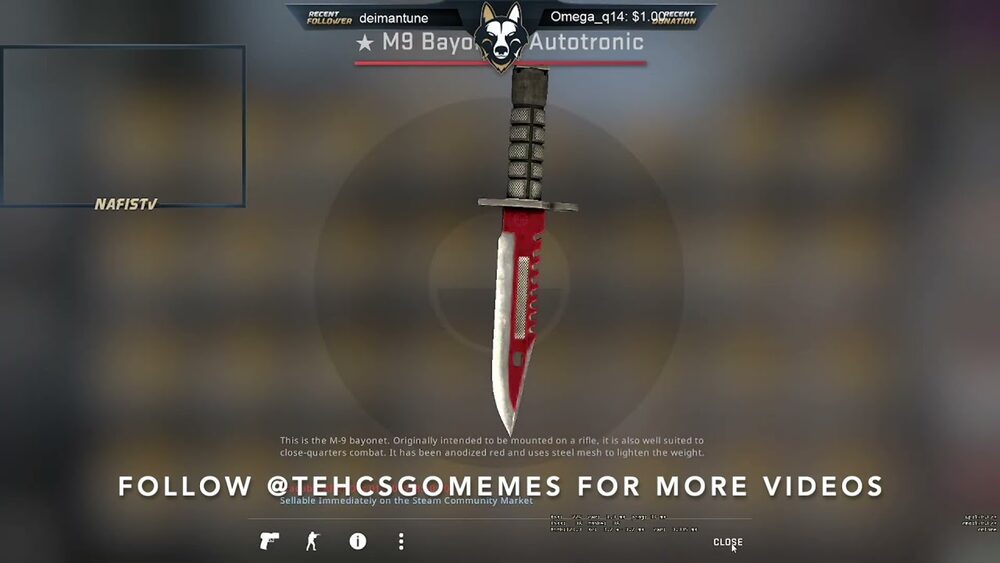
Why knives, specifically, became the flex
In hindsight the design was diabolically good. Several properties compounded:
- Always visible. Your rifle skin shows when you hold that rifle; your knife is in your hands every buy round, every eco, every inspect. It's the one cosmetic the whole server sees constantly.
- Absurdly rare. At roughly a quarter-percent of case openings, knives were the lottery jackpot, and everyone knew the odds were brutal. Carrying one signaled either luck or money — both worked as status.
- Mechanically identical, culturally supreme. Zero gameplay advantage meant the entire value was social. Pure Veblen good, shipped inside a shooter.
- Animation as identity. Each knife type had its own inspect and draw animations, which is why later additions like the Butterfly could command a permanent premium on motion alone — a phenomenon we cover in the Breakout case story.
The ★ did something no stat line could: it made rarity legible at a glance. You didn't need to know prices to know the person who just inspected a Karambit had something you didn't.
The culture that followed
Early knife culture built its own vocabulary at speed. "Vanilla" for finish-less blades. Fade percentages. Web counts on Crimson Webs. Blue percentage on Case Hardened — the seed-hunting obsession that later matured into the whole pattern-seed economy. Unboxing videos became a YouTube genre almost immediately; the knife reveal, with the gold flash in the case-opening animation, was the emotional payload that carried channels to millions of subscribers and — less charitably — fueled the opening industry whose math has never favored the customer, as our EV breakdown shows.
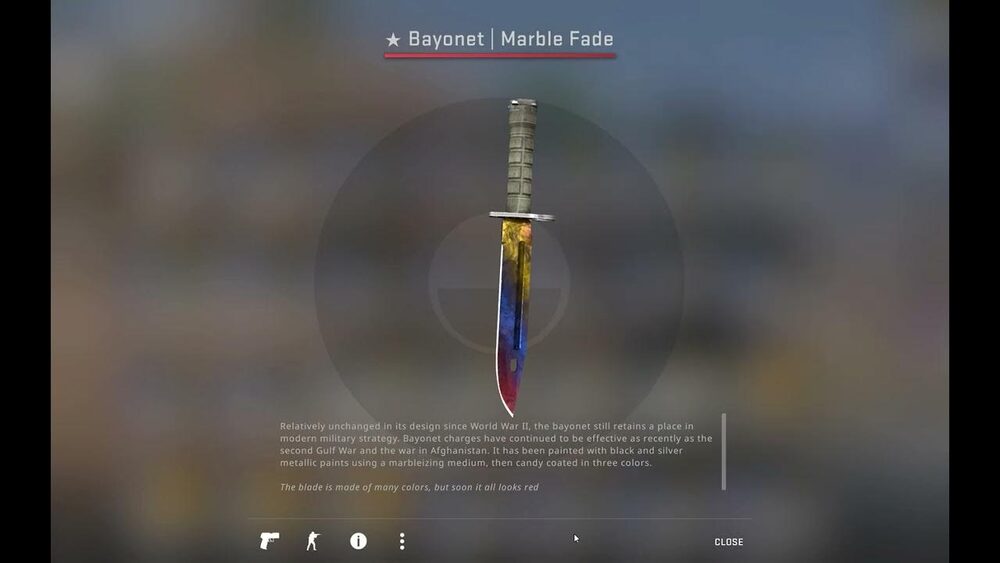
Valve, watching demand concentrate on the special-item slot, iterated: new finishes in Winter Offensive, new knife types over the years (Huntsman, Butterfly, Falchion, Bowie, and onward to CS2's Kukri), and the Chroma-era Doppler and Marble Fade finishes that turned knife pricing into a phase-and-pattern science. Every one of those expansions traces back to the discovery, in August 2013, that a cosmetic knife could carry more social weight than any rank badge.
The economics of that culture are underrated as history. Knife demand gave every case a lottery jackpot, which gave keys a reason to be bought, which gave the entire economy its revenue engine. When traders today evaluate a new case partly on the strength of its knife line, they're applying a lesson the market learned in its first month: the special-item slot is not a bonus feature of a case — it is the case's business model.
As of mid-2026, the knife tier remains the aspirational ladder of the whole economy — the thing cases are opened for, the reason knife-line quality moves case prices. The players refreshing forum threads in 2013 asking "what's a star knife worth?" were, without knowing it, running the first session of price discovery on what became one of gaming's most valuable item classes.