eSports 2013 Case: The Case That Paid for Prize Pools
Before sticker money, before million-dollar Majors, Valve funded competitive CS with a loot box. The eSports 2013 Case is both a funding experiment and one of the thinnest supply profiles in the market.
Day one of the skin economy
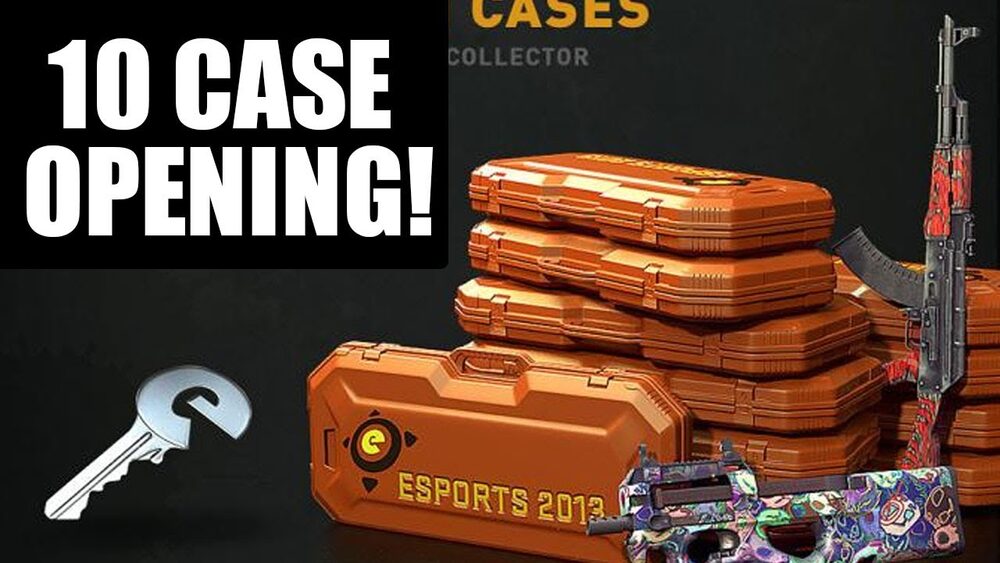
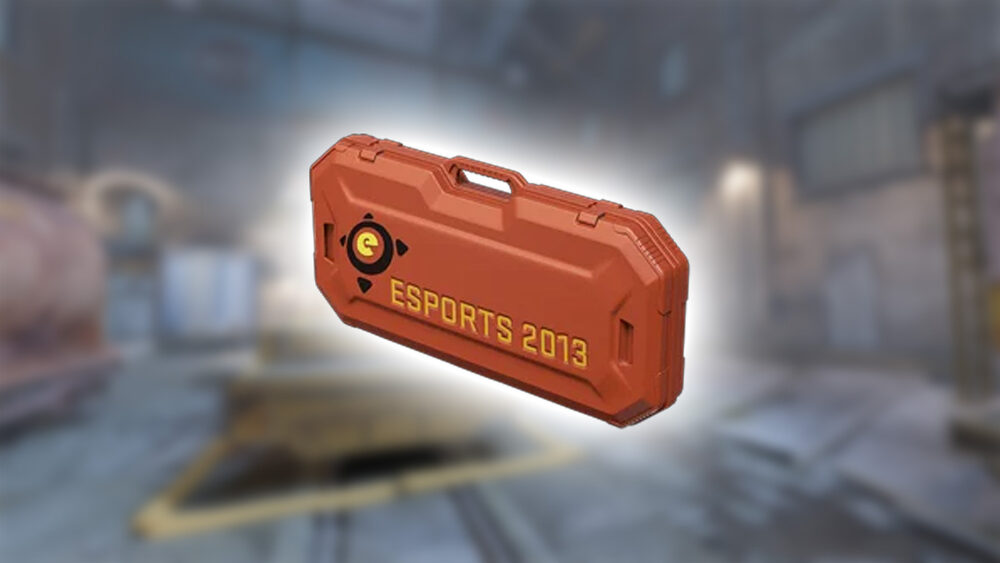
The eSports 2013 Case shipped in August 2013 as part of the Arms Deal update itself — one of the original containers alongside the CS:GO Weapon Case. Its hook was printed on the tin: proceeds from its keys went to fund prize pools for community Counter-Strike tournaments. In 2013 that mattered enormously. CS:GO's competitive scene was fragile, prize money was thin, and Valve hadn't yet invented the Major system's own funding rails. The case was, in effect, crowdfunded esports — buy a key, open a box, and some of your money paid the players.
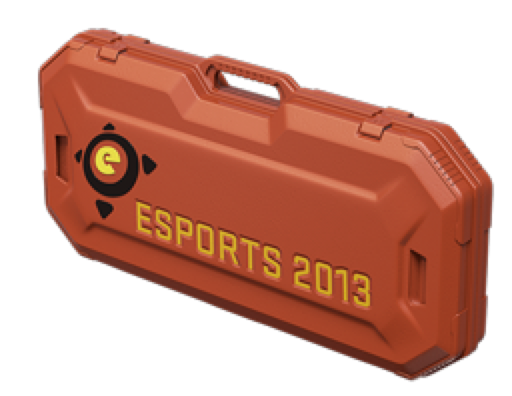
The model worked well enough to iterate: the eSports 2013 Winter Case followed at the end of that year, and the eSports 2014 Summer Case closed out the series. Then the mechanism quietly retired. Sticker capsules — with their direct revenue share to teams and players — proved a better funding instrument, and Major prize pools moved onto their own trajectory (from $250k to over a million). The eSports series became a closed, three-case chapter of history.
What's inside barely matters — but here it is
The 2013 case's roster is early-era art: the P90 Death by Kitty at Covert — one of the game's first meme-grade grails — with the AK-47 Red Laminate as the enduring player favorite, plus launch-era knives in the rare slot. By modern standards the hit rate of "skins people still use" is low. That's true of the whole 2013 class, and it's almost irrelevant to the price, because the eSports 2013 Case stopped trading on its contents years ago.
What the contents do still drive is a trickle of openings, and even a trickle matters when the float is this small. A Death by Kitty pull from a fresh 2013 case is content-creator gold, and launch-era knife pulls from an original container carry their own collector cachet. On a thin float, a few thousand openings a year is a meaningful burn rate — the destruction never fully stops, it just gets more expensive per unit destroyed.
The thinnest supply in the market
What the case trades on is what's left of it, and there isn't much. The reasons compound:
- A tiny minting window against a tiny player base. The case dropped when CS:GO's concurrent players were measured in the tens of thousands, not millions. The total ever minted is a rounding error next to a modern case's first week.
- A decade-plus of destruction. Openings through the gambling boom, inventory purges, abandoned accounts, and thirteen years of attrition ground the float down. Per third-party case trackers, surviving unopened supply ranks among the very lowest of any container — the reason it headlines every rarest-cases ranking.
- No replenishment mechanism, probably. The series has stayed out of drop rotations for over a decade. The standing caveat of the discontinued-case thesis applies here too: Valve owns the faucet and has surprised the market before.
The price history is what that structure predicts: pennies in 2013, a long unglamorous grind through the mid-2010s, then step-function repricings during the case bull markets of 2021–2023. As of mid-2026 the case trades in the hundreds of dollars per unit on third-party venues, with prints scattered widely — thin-float assets don't have a price so much as a negotiation range.
The funding legacy
The eSports series deserves a footnote in esports business history, not just market history. It was the first mainstream experiment in routing loot-box revenue directly into competitive prize money — a model that predates franchising fees, sticker shares, and every modern esports funding structure in Counter-Strike. The line from "buy this key, fund a tournament" to today's Majors — where community item revenue reportedly pays teams more than the prize pool itself — starts with this case.
It's also a reminder that the market and the scene grew up together. The players funded by 2013's key sales built the audience that now drives sticker revenue, and that audience's nostalgia is a real input to the price of every 2013-era item — the same feedback loop that turned Katowice 2014 paper into a six-figure asset class.
For holders, the takeaway is simpler. The eSports 2013 Case is the market's cleanest demonstration that in sealed containers, time and attrition are the product. Contents age, metas shift, art styles date themselves — but a float that only shrinks for thirteen years eventually becomes the entire story. Every high-supply case sitting at its flood floor today is, on a long enough timeline, auditioning for this chart.