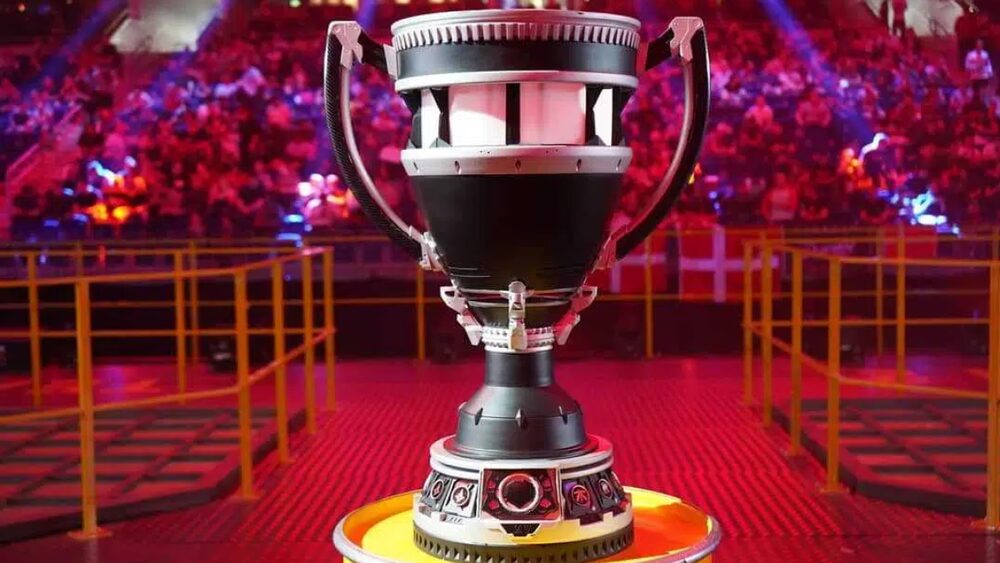
CS Prize Pools: From $250k Majors to a Global Circuit
Counter-Strike's prize money grew slower than the game's audience — because the real money moved somewhere more interesting. Here's the full financial arc, and why the headline number stopped mattering.
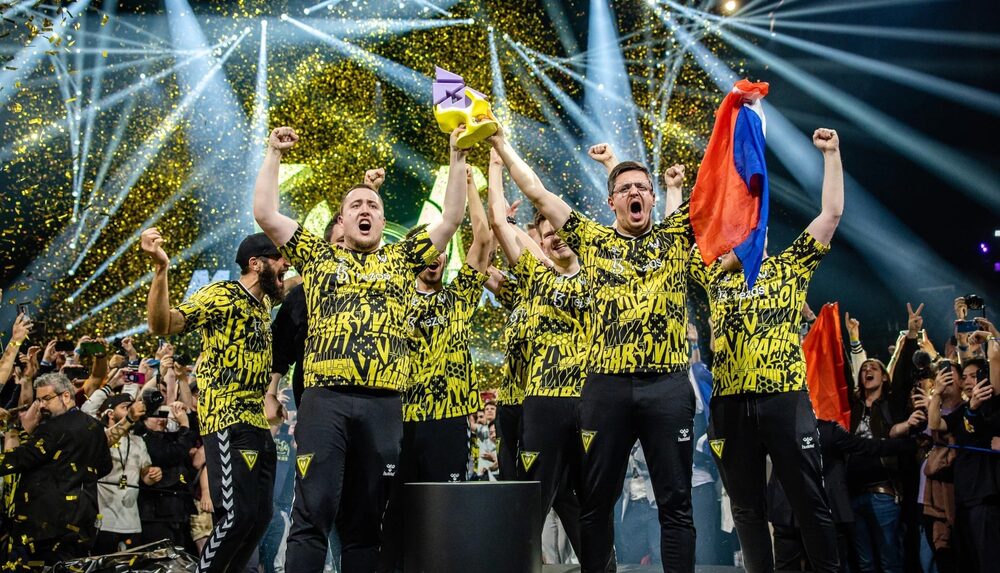
The Major prize pool timeline
The first CS:GO Major — DreamHack Winter 2013 — carried a $250,000 prize pool, funded in part by the item economy itself: key revenue from the eSports cases flowed into competitive prize money, a crowdfunding mechanism baked in from the Arms Deal update onward. That figure held through the Katowice and Cluj era, then stepped up as the scene professionalized:

| Era | Major prize pool | Note |
|---|---|---|
| 2013–2015 | $250k | DreamHack Winter through Cluj-Napoca |
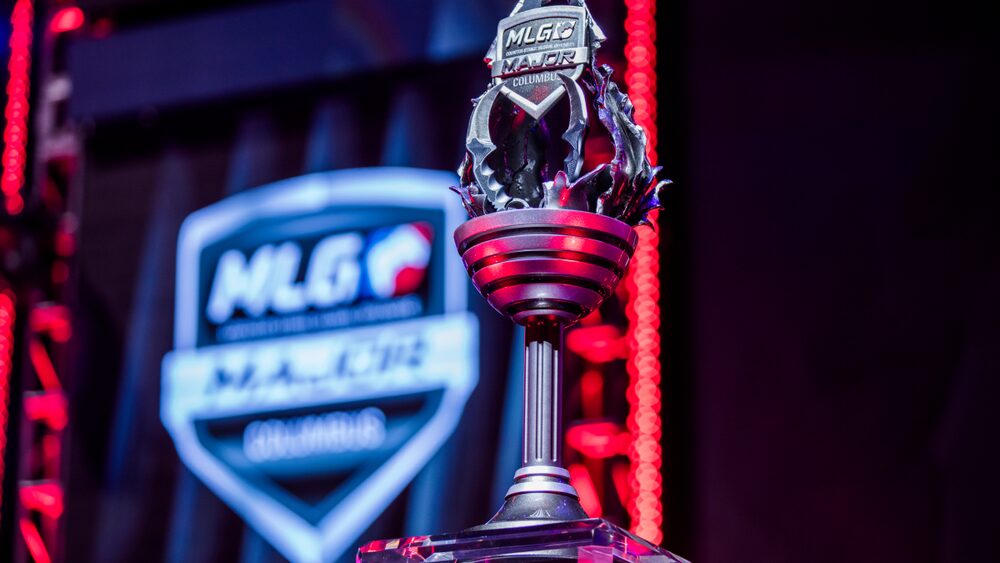
| 2016–2021 | $1M | Quadrupled at MLG Columbus 2016 |
| 2021 | $2M | PGL Stockholm's one-off bump |
| 2022–present | $1.25M | The standard from Antwerp through the CS2 Majors, as of mid-2026 |
Read as a growth chart, this looks underwhelming: 5x over thirteen years while viewership grew far faster. Stranger still, the number went down after Stockholm and nobody in the scene treated it as a crisis — a tell that the headline figure had become almost ceremonial. The resolution to that puzzle is that Major prize money quietly stopped being the main way Counter-Strike pays its professionals.
The circuit around the Majors
Unlike franchised esports, CS runs on an open ecosystem of competing tournament organizers, and the two Valve-sponsored Majors per year sit on top of a dense commercial calendar:
- ESL's pillar events — IEM Katowice and IEM Cologne, each around the million-dollar mark, plus ESL Pro League seasons.
- BLAST's circuit — season events and a World Final, with the organizer stepping up to Major duty in Austin 2025.
- PGL and regional organizers filling the remaining calendar with events from Bucharest to Shanghai.
- As of mid-2026, total annual circuit prize money across organizers runs well into the tens of millions — the Majors' $2.5M is a fraction of a working pro's addressable prize economy.
The open-circuit structure matters financially because organizers compete for teams and viewers, which keeps event quality and team compensation (appearance arrangements, revenue-share deals) under constant upward pressure — a dynamic franchised leagues deliberately suppress.
Prize money is also no longer the main line on a pro's payslip. Top-tier CS salaries climbed steadily through the late CS:GO years and into the CS2 era, with star players on packages that comfortably exceed what most tournament runs pay, and transfer buyouts for elite talent reported well into seven figures. The prize pool's real function today is competitive stakes and headline value; the living is made from salary, sticker autographs, and the occasional buyout — a compensation stack that looks more like European football than like the prize-or-nothing esports of 2013.
Why the prize pool stopped growing: sticker money
The reason Valve can leave the Major pool at $1.25M without anyone seriously complaining is that the Major's real economic engine sits in the item store. Teams and players receive a share of Major capsule revenue — widely reported at roughly half of the proceeds attributable to their items — and for popular orgs that share is reported in the millions per Major, regularly exceeding what the tournament winner banks. The full mechanism is dissected in Sticker Money, but the headline comparison belongs here:
A Major distributes $1.25M in prize money on stage — and, per public reporting, multiples of that through sticker revenue sharing off stage. The audience, not the sponsor, is the prize pool.
This is the same design philosophy that had 2013 case keys funding tournaments, scaled up by a decade of market growth: competitive Counter-Strike is financed by its own item economy. It's also why qualification incentives are so sharp — making the Major puts your capsule in the store, missing it doesn't.
The instructive contrast is Dota 2, Valve's other esport. The International's battle-pass crowdfunding produced spectacular headline pools — north of $40M at the 2021 peak — before Valve unwound the model and TI pools collapsed back toward seven figures. CS took the opposite path: keep the tournament number modest and stable, and route fan money through a tradable item economy that pays teams directly and continuously. One model produced a fireworks chart; the other produced thirteen years of compounding audience and the only esports funding mechanism that's never needed a rescue.
What the money says about the asset class
For skin holders, the prize-pool story is quietly reassuring in three ways. It shows Valve's incentives are aligned with a healthy item economy — the company funds its flagship esport through it. It shows the scene's financial base is fan spending rather than cyclical sponsorship, which is why CS esports sailed through the industry's 2022–2024 winter that gutted franchised leagues. And it means every Major both showcases the game and mints new windowed-supply assets — capsules whose investment profile and price behavior around events are their own topics. Prize pools were never the point; the circular economy was. The full quarter-century context is in our history of CS esports.