
BLAST.tv Austin Major 2025: CS Comes Back to America
Seven years after Boston, a Counter-Strike Major finally returned to US soil. Austin was a bet that the American audience still existed — and a live experiment in what a US Major does to a skin market priced mostly in euros and yuan.
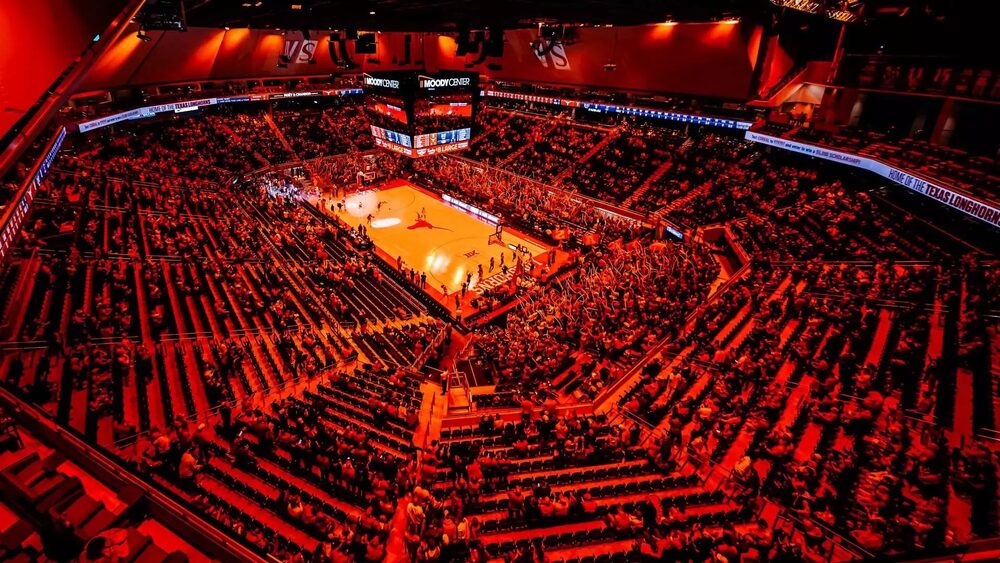
Seven years in the wilderness
The last American Major before Austin was ELEAGUE Boston in January 2018 — the Cloud9 miracle run, the loudest crowd in CS history, and, for collectors, the event that produced the famous Skadoodle souvenir Dragon Lore. Then North America's domestic scene hollowed out: orgs left, talent drifted to Valorant, and the Major circuit rotated through Europe and, eventually, China. For seven years, "NA CS" was mostly a punchline with a nostalgic aftertaste.
BLAST bringing the Major to Austin in mid-2025 was therefore a genuine test: was the American audience a memory, or a market that had simply had nothing local to attend?
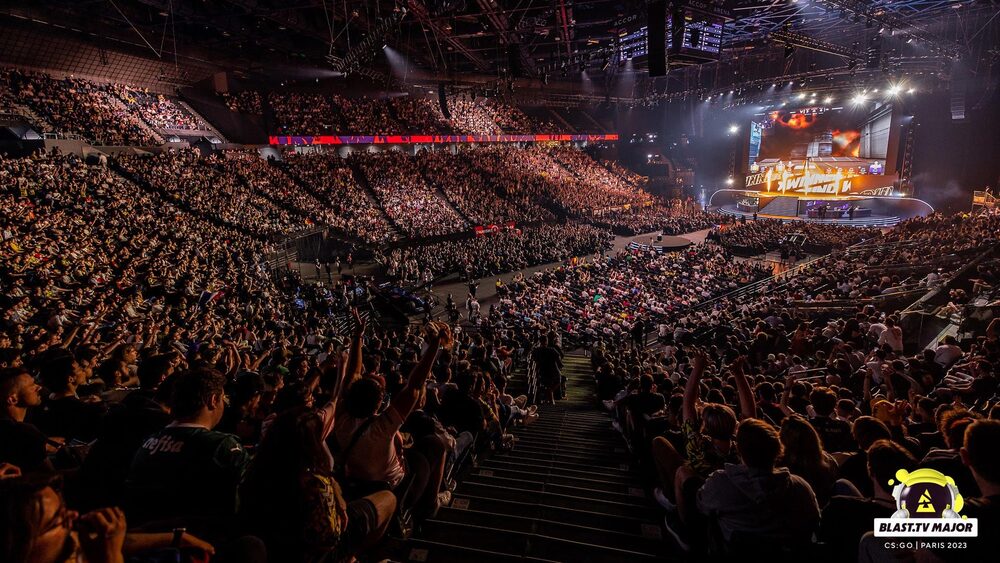
The organizer choice carried its own subplot. BLAST had run the final CS:GO Major in Paris in 2023, but Austin was its first Major of the CS2 era — and the first Valve had placed in a market where the domestic competitive scene had essentially collapsed. The bet was that Counter-Strike's American audience had outgrown its American teams: that fans who'd spent seven years watching European CS at 6 a.m. would fill an arena for the product itself, no hometown roster required. Ticket demand answered that question before a single round was played.
What Austin proved
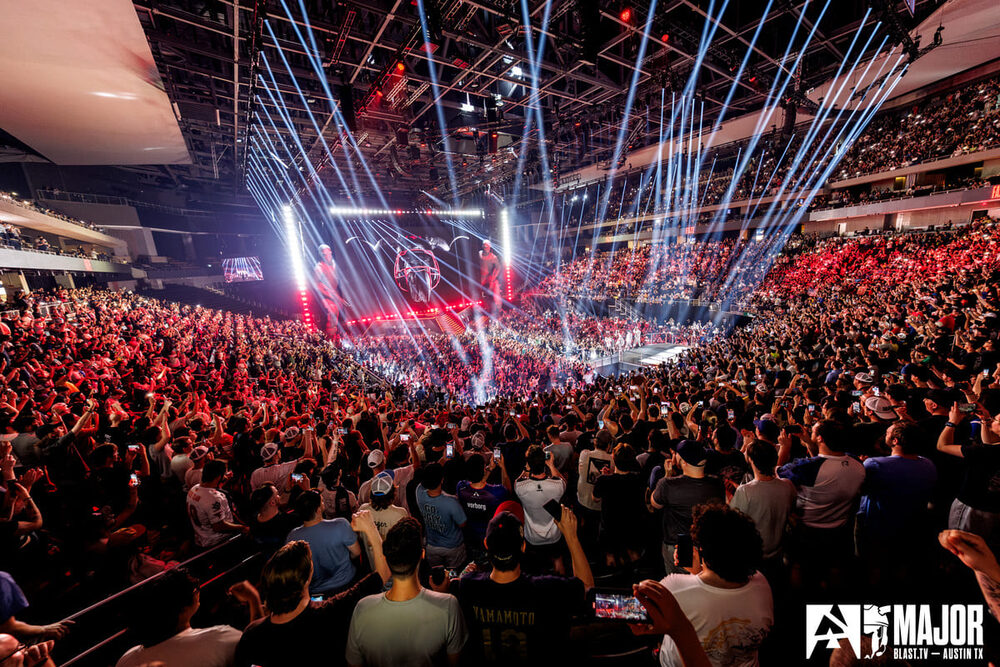
The answer was closer to the second. The arena crowd showed up loud, the event ran clean, and Vitality — the dominant team of early 2025 — capped their run with the trophy, cementing the era-defining form they'd shown all year. On the broadcast side, third-party trackers put peak viewership roughly in the 1.4–1.5 million range: shy of Copenhagen's ~1.8M CS2-era record, but comfortably in line with the modern Major baseline despite time zones that were awkward for the European core audience.
- First US Major since Boston 2018 — a seven-year gap.
- Peak viewers per third-party trackers: roughly 1.4–1.5M, hedged as always by the exclusion of Chinese platforms.
- Competitive storyline: Vitality's 2025 dominance translated to the one title that matters most.
- Scene signal: a US Major is viable again — which reshapes how organizers think about the calendar.
The western wallet effect
Skin market demand has a geography. Chinese platforms often set the marginal price on liquid items, and European cash markets like SkinBaron handle much of the western float — the split is mapped in where CS2 skins actually trade. A US Major tilts attention toward the demographic that skews toward USD-denominated, Steam-wallet-and-marketplace spending: returning NA players re-installing, funding wallets, and buying capsules with their team's — or their nostalgia's — logo on them.
The usual Major-week market pattern applied: capsule speculation before the event, an attention-driven activity spike during it, and the permanent supply freeze on Austin capsules once the sales window closed. For orgs, that window is the real prize — capsule revenue sharing, covered in Sticker Money, is widely reported to exceed the $1.25M prize pool for the most popular teams at a given Major.
The aftermath on the sticker desk
Post-event, Austin items ran the familiar digestion script: the attention bid faded within weeks of the final, event capsules drifted as hype buyers turned sellers, and the champion premium consolidated around Vitality's items — the standard resolution of team-result risk. The longer game is the usual one: Austin's capsule supply is now permanently frozen, and its "first US Major of the CS2 era" framing gives it a narrative hook that most vintages lack. History's caution applies in equal measure — narrative hooks are abundant in this market, thin mint sizes are not, and only the second one reliably pays. The sober framework for weighing that trade lives in capsule economics.
What it means going forward
As of mid-2026, Austin's legacy is less about one week in Texas and more about proof of concept. The Major circuit now demonstrably works on three continents — Copenhagen, Shanghai, Austin — each activating a different regional demand base for the same global item economy. For the scene, that means healthier sponsorship math and a real argument for more NA events. For the market, it means the Major calendar is becoming a rotating regional stimulus program: wherever the Major lands, that region's wallets wake up.
The through-line from Boston 2018 to Austin 2025 is the one this whole economy runs on: Counter-Strike keeps outliving the eras that were supposed to kill it, and every revival mints new artifacts — a longevity story told in full in our history of CS esports.