The Workshop Economy: Artists Who Got Rich Making Skins
Almost every finish in your inventory was painted by a freelancer, not by Valve. The Workshop turned skin-making into a career — and for a handful of artists, into serious wealth.
Valve's outsourced art department
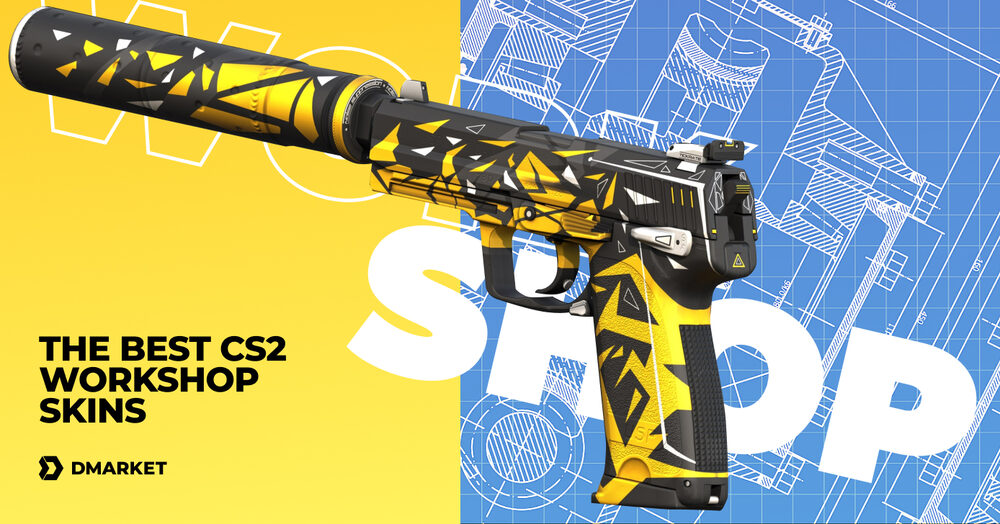
Two months after the Arms Deal update created weapon finishes, Valve opened the CS:GO Workshop to community submissions in October 2013. The pitch was pure Valve: we'll provide the canvas (weapon models, a finish pipeline, style guides), you provide the art, players vote, and we pick what ships. Selected finishes go into cases; creators get paid from the proceeds.
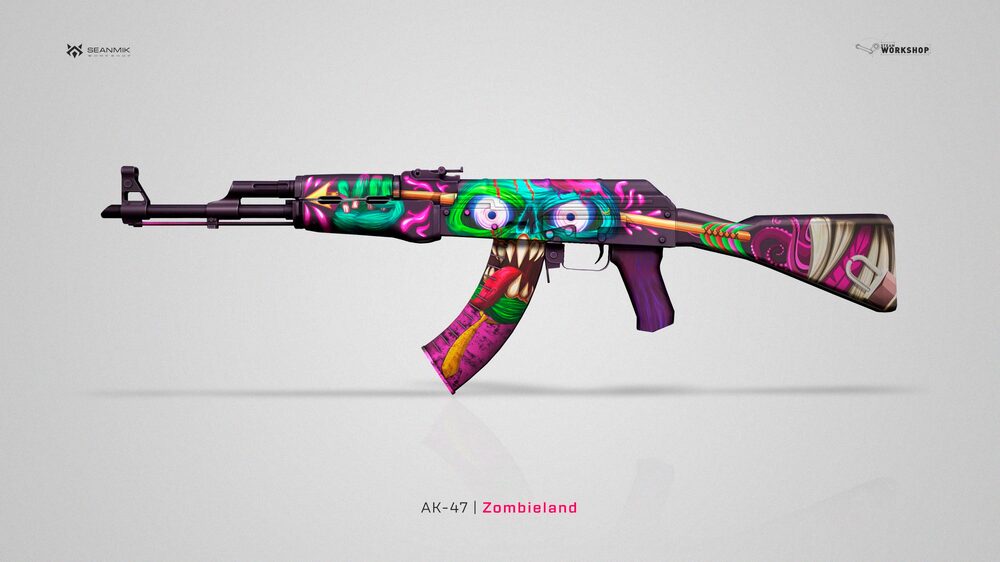
The arrangement quietly became one of the most successful user-generated-content economies in gaming. The overwhelming majority of case finishes since 2013 — including era-defining art like the Asiimov, Hyper Beast, Neo-Noir, and Printstream lines — came from independent artists submitting to the Workshop, not from Valve staff. Valve retained curation and rarity assignment; the community supplied essentially unlimited creative throughput at zero fixed cost. Every case that mints money for Valve is also a royalty stream for a small group of freelancers.
How the money works
Valve has never published the exact split, but the widely reported figure is that around 25% of a case's revenue is pooled and divided among the artists whose finishes appear in that case. With key sales on a popular case plausibly running into nine figures over its lifetime, even a shared slice has produced life-changing income; multiple veteran creators have publicly described earnings in the hundreds of thousands to millions of dollars across their careers. Treat all such figures as reported rather than audited — the contracts are private — but the direction is not in dispute.
- Acceptance is the lottery. Thousands of finishes are submitted per case cycle; a case ships with about seventeen. Getting in is the hard part, and many strong artists submit for years before a first acceptance.
- The rarity slot matters. A Covert AK or AWP finish becomes the face of the case and drives openings; a Consumer-grade pistol finish shares the same pool but not the same fame.
- Royalties have a long tail. Cases keep dropping and keep being opened for years — an accepted finish in 2016 can still be generating income in 2026.
- Contests raised the ceiling. The 2021 Dreams & Nightmares contest paid $100,000 to each of ten winners from a $1,000,000 prize pool — the full story is in our Dreams & Nightmares case history.
The artists the market made famous
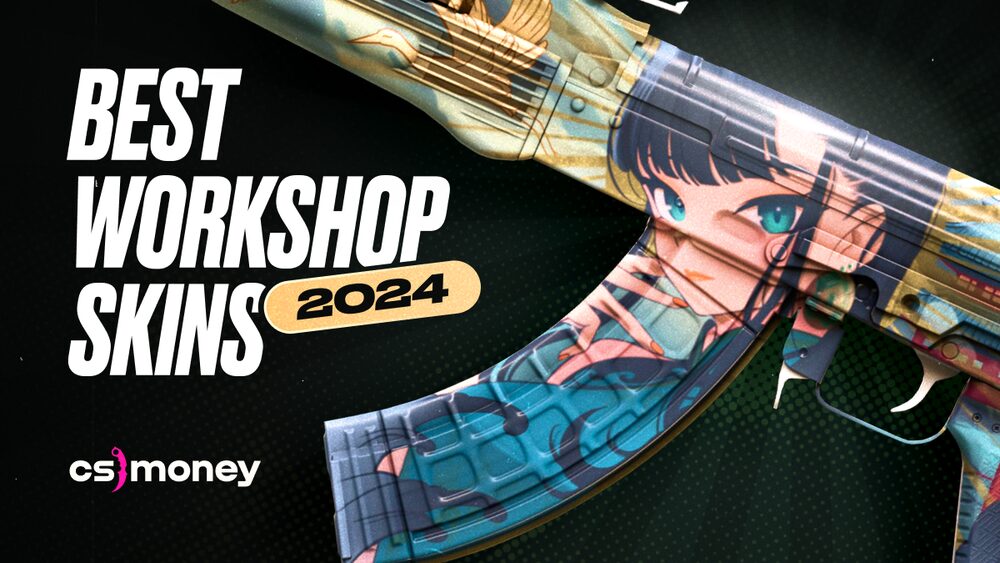
Workshop culture produced its own canon. Coridium's Asiimov defined the sci-fi-white aesthetic so completely that "Asiimov orange" is a color in the community vocabulary. Brock Hofer's creature-chaos style (Hyper Beast and its descendants) became a franchise across weapons. Duos and studios emerged as repeat winners across the Neo-Noir and Printstream eras, with the Printstream line becoming arguably the most liquid premium finish family of the modern game. A finish from a proven name now carries expectations the way a director's name carries a film.
The cautionary tale is equally canonical: the M4A4 Howl shipped in 2014 containing artwork lifted from a DeviantArt artist, triggered a DMCA claim, and forced Valve to pull the finish and rework the art — accidentally creating the game's only Contraband item. The Howl story is remembered as a price legend, but for the Workshop it was the moment Valve got serious about provenance checks on submissions, and its sticker sibling met the same fate in the Howling Dawn takedown.
Why holders should care about any of this
Because the Workshop is the supply side of your portfolio. A few practical consequences:
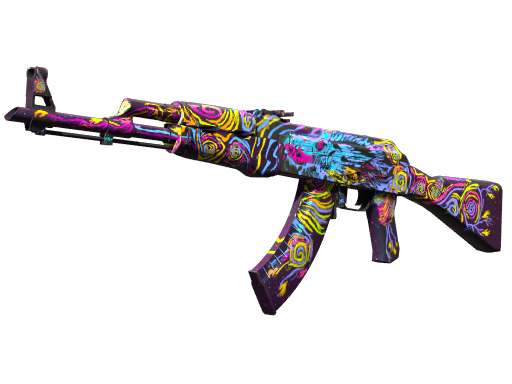
- Art quality is a price input. Cases live or die on their Covert line and knife appeal, and that quality comes from the Workshop pipeline. The strength of a case's community art is part of any read on the new-case price lifecycle.
- Creator incentives favor more cases. A healthy royalty pipeline gives Valve a frictionless reason to keep shipping cases — the supply schedule that everything in case supply mechanics downstream depends on.
- Style eras are tradeable information. Aesthetic waves (sci-fi white, anime-adjacent, monochrome-premium) shape which finishes hold demand years later. Workshop watchers often see the wave before the market prices it.
The CS2 transition raised the bar without changing the deal. Source 2's finish pipeline gave creators new material types and better rendering to work with, but also a steeper technical ceiling — modern accepted finishes are frequently studio-grade work from artists with professional 3D backgrounds, a long way from the hobbyist repaints of 2013. The royalty structure, as far as anyone can tell from the outside, carried over intact — and with CS2's record player base, the prize for an accepted finish has plausibly never been larger, which keeps submission volume, and therefore Valve's selection power, growing year over year.
As of mid-2026, the Workshop remains the quiet engine of the whole economy: a decade-old arrangement in which some of the most valuable digital art in existence is produced by independent artists for a royalty on a loot box. Nobody would design it that way from scratch. It works anyway.