
Fracture Case: Anatomy of a High-Supply Modern Case
Fracture is what happens when a good case drops during the biggest player boom in the game's history. The result is a masterclass in how supply — not content — sets the price.
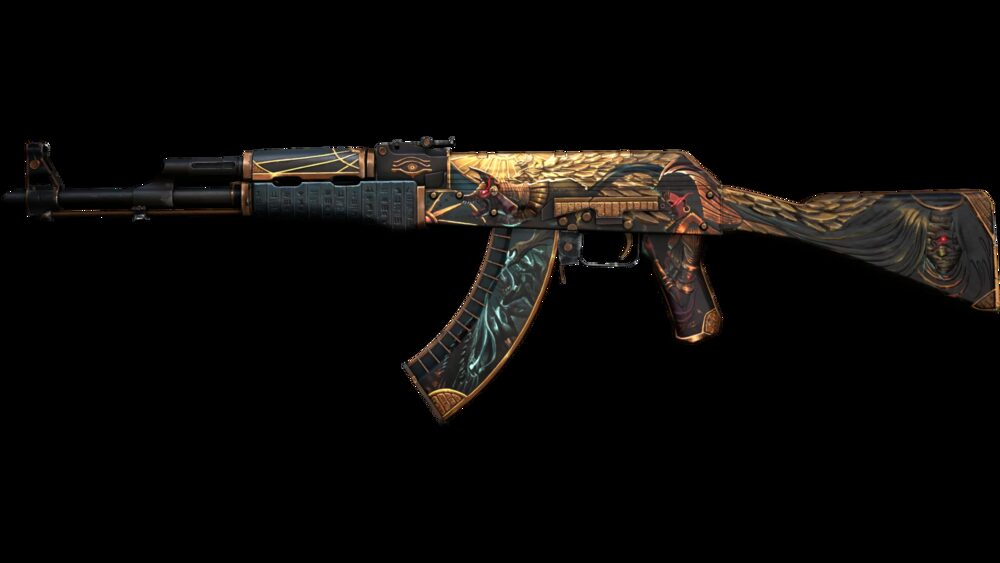
August 2020: perfect timing for players, terrible timing for scarcity
The Fracture Case released in August 2020, straight into the COVID-era surge that pushed CS:GO to then-record player counts. Every one of those players was pulling weekly drops, and Fracture sat in the active pool through the hottest months the game had ever seen. The consequence was mechanical: more concurrent players than ever before, all minting the same case, week after week. Per third-party case trackers, Fracture's cumulative drop count ranks among the largest of any container ever shipped — estimates run well into the hundreds of millions of unopened units at peak, and some put the total minted far higher.
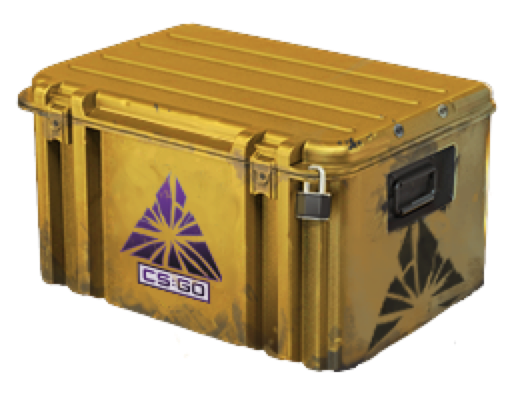
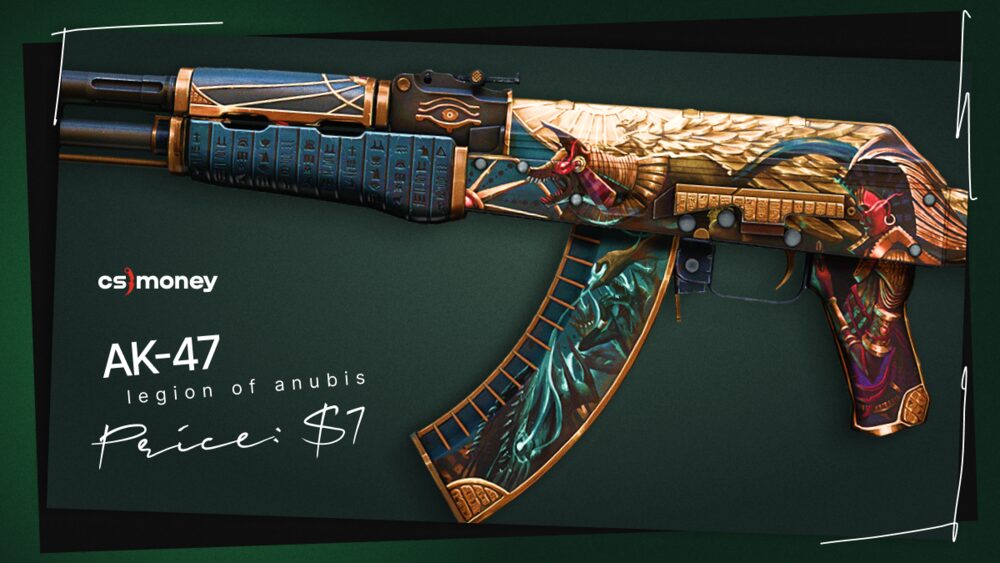
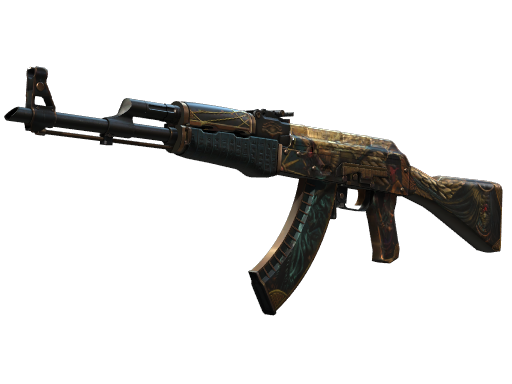
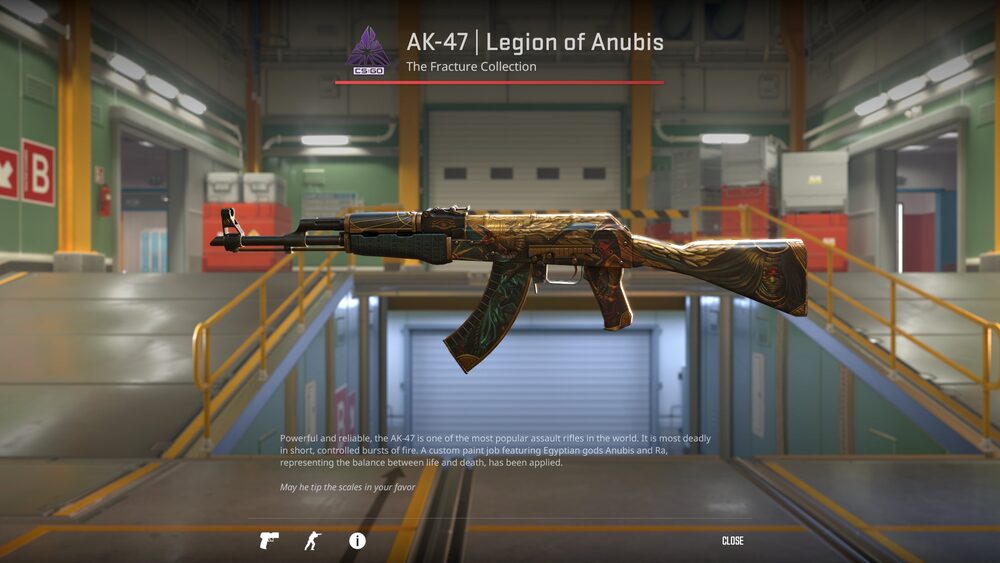
Content-wise, the case deserved better timing. The AK-47 Legion of Anubis and Desert Eagle Printstream headline the Coverts — the Printstream became a franchise of its own, spawning follow-ups across other weapons — and the rare slot carries the Shattered Web knife set: Paracord, Survival, Skeleton, and Nomad, then only a year old and still novel. By raw desirability of contents, Fracture out-punched plenty of pricier cases.
Why none of that mattered for years
A case in the active drop pool is priced by flow, not stock. As long as weekly drops replenish supply faster than openings burn it, the price stays pinned near the flood floor — for Fracture, that meant years in the low tens of cents. This is the flat middle of the standard case lifecycle, and Fracture is its most extreme modern specimen: the better the player counts, the heavier the flood.
It's worth being precise about what this phase does and doesn't mean:
- It doesn't mean the case is "bad." Price reflects current supply mechanics, not content quality. Legion of Anubis didn't get worse because the case was cheap.
- It does mean appreciation is on pause. The deflationary flywheel — openings permanently destroying supply — can't outrun an active drop faucet at 2020-21 player counts.
- It sets up the asymmetry. A case pinned at the flood floor has limited room down and a documented historical path up once the faucet closes. That asymmetry is the entire reason patient money accumulates high-supply cases at all.
The faucet slows
Every case eventually rotates toward the back of the queue. As newer containers — Dreams & Nightmares, Recoil, Revolution, then the CS2-era Kilowatt — took over the active slots, Fracture's drop frequency fell, and the balance between minting and burning began to shift. Openings kept running (cheap case, wanted knives, Printstream lottery) while inflow thinned. Per third-party trackers, the unopened count has been in steady decline for years, and the price has ground up off the floor accordingly — as of mid-2026 Fracture trades at a multiple of its flood-era lows, though still far below old-guard cases.
What Fracture teaches about high-supply cases
Fracture is the clearest demonstration in the modern market that case investing is a supply-schedule bet, not a taste contest. The practical lessons:
- Time horizon is the position. Anyone who needed returns in 18 months lost to anyone indifferent for five years. If your capital has a deadline, the flood-floor tier is the wrong tier.
- The floor is where accumulation is cheapest. Buying during the flatline means buying at maximum supply and minimum narrative. It's psychologically hard precisely because nothing is happening — which is why a fixed daily buying schedule outperforms waiting for the story to get exciting (by then, it's priced).
- Never open the position. The expected value of opening remains sharply negative — the sealed case is the asset, the opening is the donation that pays sealed holders.
- Respect the tail risk. Valve controls the faucet. A case can be re-added to rotations or redistributed through new systems, as the Armory era proved. Sizing across many cases beats conviction in one.
As of mid-2026
Fracture also illustrates why per-venue price discipline matters most in this tier. When a case trades in the low tens of cents, the spread between Steam's fee-inflated listings and cash venues like DMarket or SkinBaron is often several percent of the position — on a thousand-case stack, the venue choice is worth more than a month of appreciation. Cheap assets make expensive habits invisible.
Fracture sits in the transitional zone every big case passes through: no longer flooding, not yet scarce. The unopened float is still enormous by historical standards, which caps the near-term ceiling, but the direction of the supply curve has flipped — and in this market, direction is what compounds. Fracture won't repeat Bravo's chart, and it doesn't need to: a case bought in the cents that grinds toward dollars over a decade is what the base case for this asset class actually looks like.