Every Skin Survived: The CS:GO → CS2 Inventory Miracle
When Valve retired CS:GO in September 2023, it did something almost no game company has ever done: it moved a decade of player-owned items into a new engine without losing a single one. That decision underwrites every skin price you see today.
The announcement that moved billions
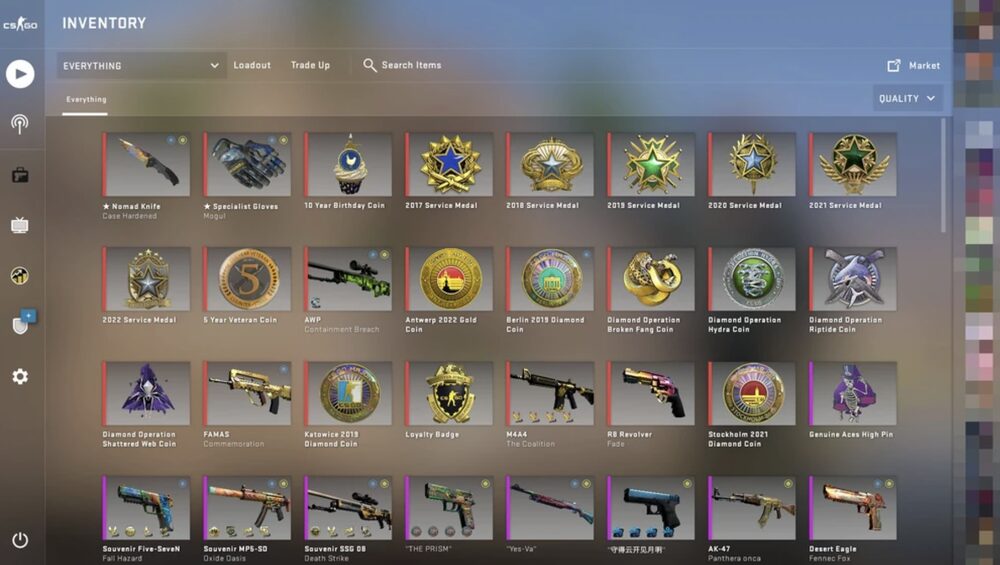
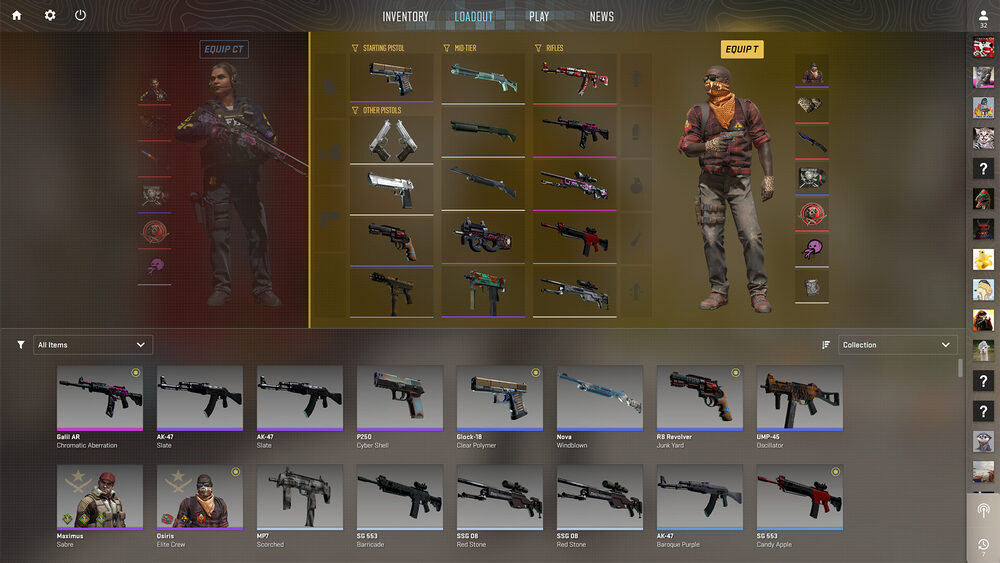
The March 2023 reveal of Counter-Strike 2 came with one sentence that mattered more to the market than the Source 2 engine, the smokes, or the tick rate: every CS:GO item would carry over. Not "eligible items," not "items purchased after date X," not a migration tool with a deadline. Everything — every case from 2013, every Katowice sticker, every battle-scarred trade-up mistake — would exist in CS2 with float, pattern, stickers, and provenance intact.
The market's reaction was immediate, violent, and entirely rational. Between the announcement and launch, case and skin prices ran one of the strongest bull markets in the economy's history, a story we cover in full in what the CS2 launch did to skin prices. The logic was simple: a sequel had been the biggest tail risk hanging over every inventory. Announcement day converted that risk into a growth catalyst.
Why this was never guaranteed
It's easy to forget how unusual the promise was. The default in this industry is the opposite:
- Sequels historically reset cosmetics — decades of Counter-Strike itself (1.6 → Source → GO) had done exactly that, and CS:GO's 2012 launch carried nothing over from Source.
- Live-service shutdowns routinely vaporize purchased items with a refund window at best.
- Valve's own terms of service are blunt: items are licensed, not owned. Legally, nothing obligated continuity.
Against that backdrop, "everything carries over" wasn't a patch note — it was a precedent. Valve demonstrated, at the scale of a multi-billion-dollar economy, that it treats the item pool as permanent. Every argument that skins function as an asset class leans on that demonstration. Scarcity means nothing if the ledger can be wiped; September 2023 was the proof that Valve considers the ledger sacred.
The transfer itself: smooth ledger, bumpy paint
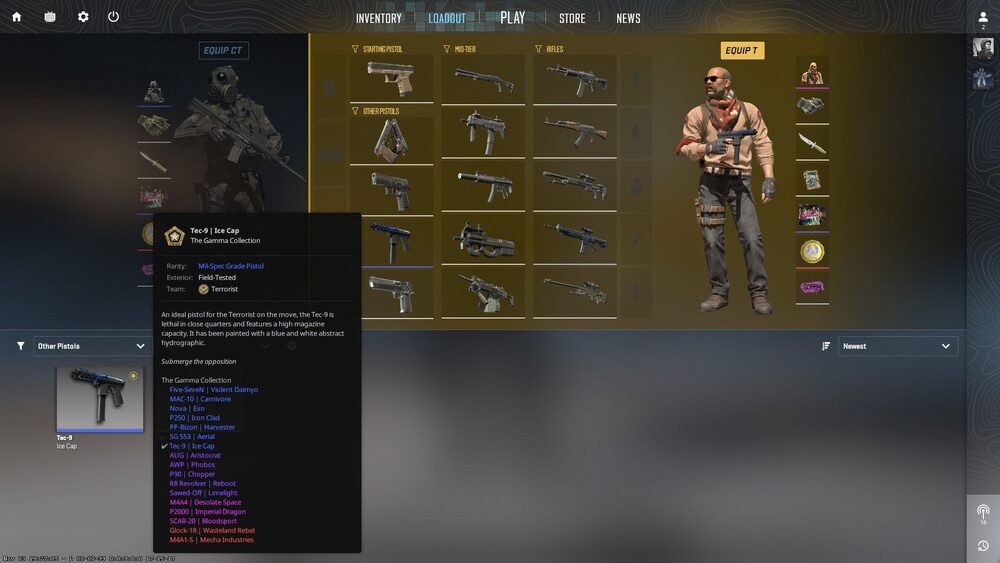
On September 27, 2023, CS2 replaced CS:GO as a free update to the same app. Inventories didn't "migrate" in any user-visible way — they were simply there, because the items had always lived on Valve's item servers rather than in the game client. The ledger transferred perfectly. Floats didn't shift, StatTrak counters didn't reset, sticker placements survived to the millimeter. Even name tags and decade-old descriptions came through. For a database migration spanning hundreds of millions of items, the item layer was a non-event — which is precisely the highest compliment infrastructure can earn.
The rendering was another story. Source 2's physically-based lighting reinterpreted ten years of textures authored for an older pipeline, and the market immediately started repricing on appearance:
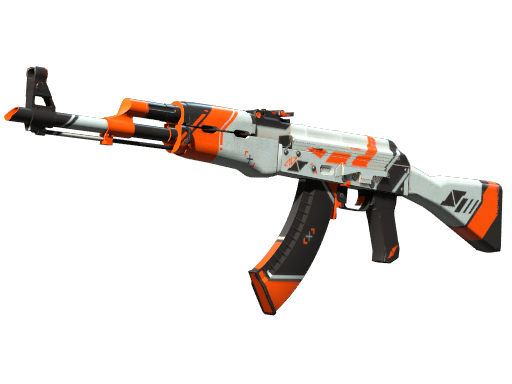
- Some finishes gleamed. Metallic and pearlescent finishes — Dopplers, fades, gold-toned skins — picked up depth they never had in GO, and demand followed.
- Some looked worse. Certain finishes rendered darker or flatter than before, and community complaints tracked visible price softness on affected skins while Valve iterated on the lighting.
- Pattern-dependent items got re-examined. Blue gems and web patterns were re-inspected under new light; the visual tier lists that drive premiums on items like the pattern-387 Karambit had to be partially relitigated.
What continuity is actually worth
Three years on — as of mid-2026 — the transfer looks like the single most value-relevant decision Valve has made since the Arms Deal update created the economy. It did three things at once:
- Extended every item's duration indefinitely. Pre-2023, a rational holder had to discount for "the sequel wipes it." Post-2023, the working assumption is that items outlive engines. That is a one-time, permanent upward repricing of the entire pool.
- Validated the oldest supply. Discontinued cases and vintage items — the thinnest-supply corners tracked in our rarest cases ranking — benefited most, because their whole thesis is longevity.
- Onboarded a new engine's worth of demand. CS2 brought record player counts into the same item pool, with new players buying decade-old supply.
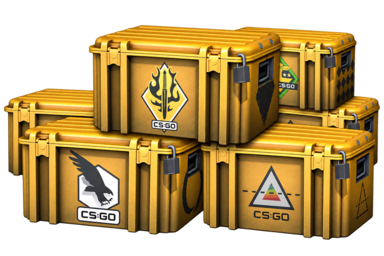
There was also a subtler market effect in the months after launch: the transition ended CS:GO's own case pipeline and opened CS2's, beginning with the Kilowatt Case in early 2024. Every CS:GO-era case became, by definition, a legacy asset — finite vintage from a finished game — while CS2-native cases started their lifecycles under new distribution rules. That dividing line now structures how collectors think about the entire case catalog.
The honest caveat belongs here too: continuity is a precedent, not a contract. Valve kept the ledger intact because a healthy item economy serves Valve — the incentive alignment, not altruism, is the guarantee. The day those incentives change, the precedent is worth exactly as much as the next announcement. That tension is the core of any sober view on where this market goes next. For now, though, the record stands, and it is genuinely unmatched anywhere in gaming: 2014 pixels survived a decade, an engine swap, and a rebrand — untouched, unreset, and worth more than ever.