
Are CS2 Skins a Real Alternative Asset Class?
Price indexes, portfolio trackers, six-figure private sales, funds quietly accumulating cases. The market acts like skins are an asset class. Whether the label actually fits is a harder question.
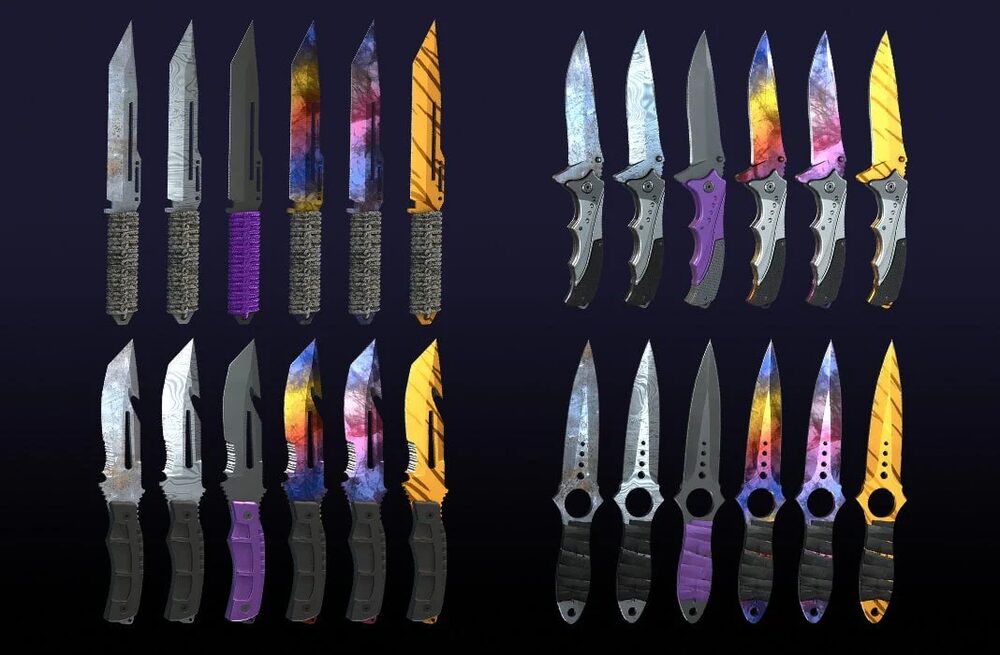
What "asset class" actually requires
Strip the hype and an alternative asset class — art, watches, wine, trading cards — needs a few things: verifiable scarcity, provenance you can trust, a functioning secondary market, price discovery, and some story for why demand persists. Nobody demands cash flows from a Rolex; the question is whether the market structure supports treating the thing as a store of value rather than a consumable.
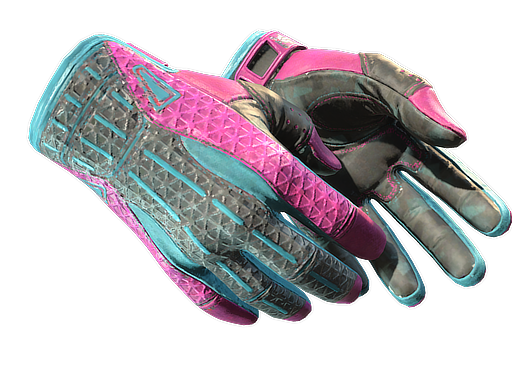
Measured against that checklist, skins score better than most people outside the ecosystem would guess — and worse in one specific place than almost any traditional collectible.
Where skins genuinely qualify
Scarcity is provable, not appraised. A vintage watch's rarity relies on auction-house expertise and factory records. A skin's rarity is enforced by code: discontinued cases burn supply with every opening, tournament capsules stopped minting the day the event window closed, and anyone can query how many of an item exist on the market right now. When Valve froze tradable keys in the 2019 key purge, the supply cap was absolute in a way no physical collectible can match.
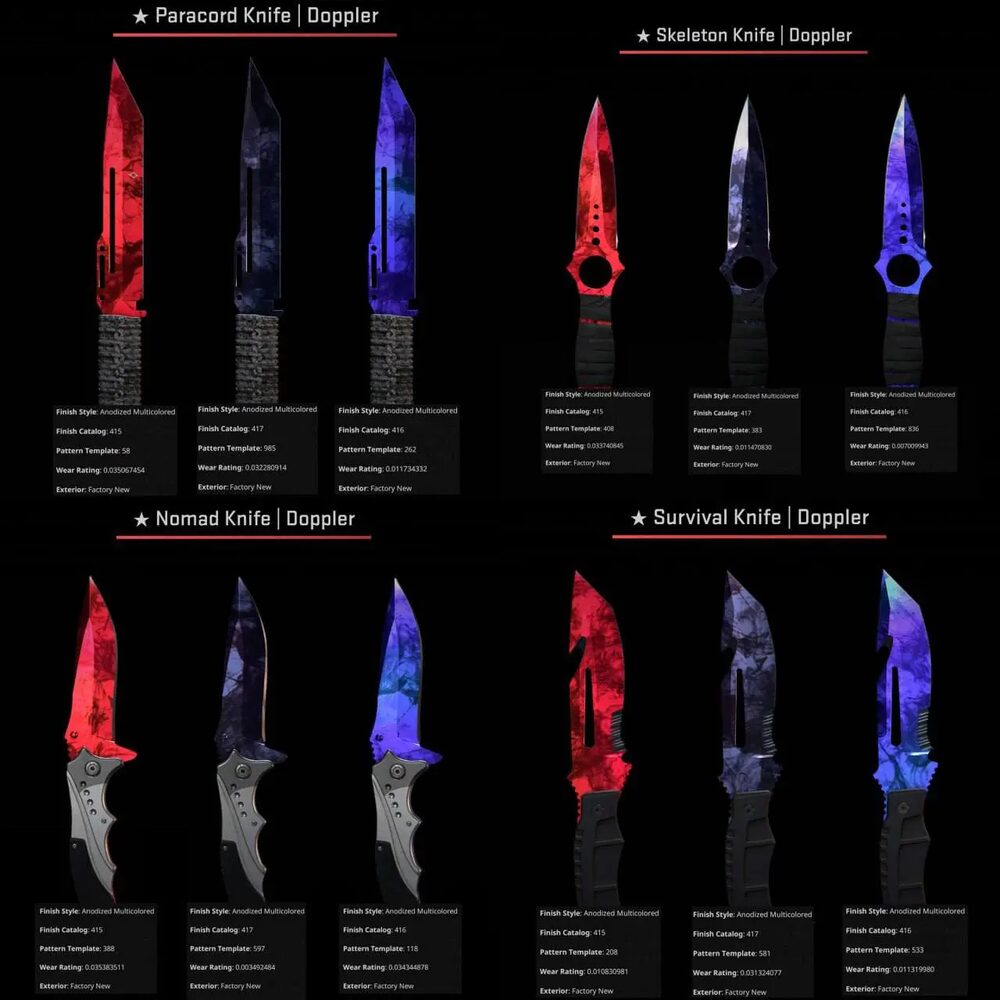
Provenance is native. Fakes are the tax on every physical collectible market — graded cards exist because raw cards can't be trusted. Skins can't be counterfeited at all. Better, each item carries verifiable uniqueness: float values, pattern seeds, sticker crafts, even name-tag history in some cases. A blue gem's blueness is a fact about an integer, not an opinion. That's a provenance regime art dealers would kill for.
Liquidity is real — at the right tiers. A liquid case sells in seconds, around the clock, globally, with no shipping, insurance, or authentication delay. Try that with a painting. As covered in the liquidity piece, this breaks down at the grail tier, but the mid-market is arguably more liquid than any physical collectible category.
Demand has a use case. Skins are worn in a game with record player counts. That's closer to watches (people wear them) than to beanie babies (people hoped). Demand is anchored to an activity, not purely to resale hope.
Where the framing breaks
Now the other side of the ledger, and it's heavy:
- You don't own the asset. Legally, per Valve's subscriber agreement, items are licensed content — Valve's property, revocable, non-transferable outside their systems. Every "portfolio" is an entry in one company's database. No art collector faces the possibility that the auction house also owns the paintings and can rewrite the rules, yet that's precisely the arrangement here.
- One company is the market's central bank. Valve controls supply (case releases), market rules (trade holds, the key ban), and even item utility. A single patch — see the 2025 trade-up update — can reprice the whole market overnight. There's no diversifying away from this; every skin correlates to Valve risk.
- No regulation, no recourse. If your inventory is stolen or a marketplace collapses, there's no SIPC, no insurance market, no court that clearly recognizes your claim. The custody stack is a Steam login and 2FA.
- Cash-out friction distorts every price. Steam prices are quoted in wallet funds that can't leave the platform, so headline valuations overstate realizable value by a structural 20–30%. Honest accounting has to mark to third-party cash prices.
How skins compare, side by side
| Skins | Art | Watches | Cards | |
|---|---|---|---|---|
| Scarcity verification | On-chain-like, queryable | Expert appraisal | Factory records | Grading firms |
| Counterfeit risk | None | High | High | Moderate |
| Mid-market liquidity | Seconds to hours | Months | Weeks | Days |
| Legal ownership | License, revocable | Full title | Full title | Full title |
| Platform risk | Total (one company) | None | None | Low |
The pattern is clear: skins beat physical collectibles on every market-structure dimension and lose catastrophically on the ownership dimension. It's a genuinely novel trade-off — near-perfect market plumbing built on legally borrowed ground.
The institutionalization test
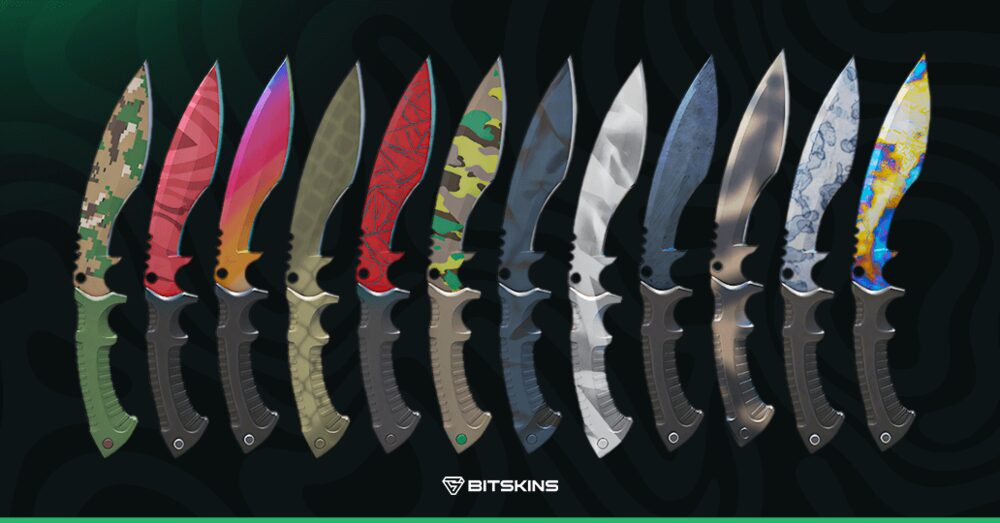
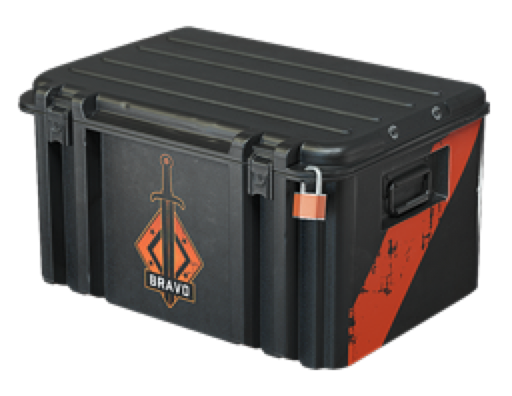
One more lens: real asset classes grow infrastructure, and skins have been growing it fast. Price aggregators publish index-style charts, inventory trackers mark portfolios to market daily, marketplaces run escrow and KYC, and there are persistent reports of funds and family-office-adjacent money accumulating cases at size. None of this is proof — plenty of infrastructure got built around NFTs too — but it changes the character of the market. Deep data tooling narrows information asymmetries, and professional participants tend to dampen the wildest mispricings while adding a new risk: coordinated exits. The 2016-era market was retail hype; the 2026 market has spreadsheets. Whether that makes it safer or just differently dangerous is genuinely open.
The honest verdict
Skins behave like an asset class and are owned like a game feature. Both facts are true at once, and any framework that ignores either one is selling you something.
In practice, the market has voted. Third-party trackers price tens of millions of dollars of daily volume, market-cap estimates run well into the billions, and the 2021–2026 return profile beat most legitimate asset classes. Thirteen years of continuity — including a full engine migration where every item survived — has built real, if unenforceable, trust that Valve's incentives align with holders.
So the defensible position, as of mid-2026: skins are an alternative asset class with an asterisk the size of Valve. Treat them as the speculative sleeve of a portfolio, sized so that the worst case — policy change, account loss, platform decline — stings instead of ruins. Within that sizing, the asset-class toolkit applies: diversification across item types, cash-price accounting, disciplined accumulation, and an exit plan written before you need it.