Steam Wallet Dollars Are Not Dollars
Your inventory tracker says $10,000. Your bank would say $7,500. Both are telling the truth — about two different currencies that happen to share a symbol.
The closed loop, stated plainly
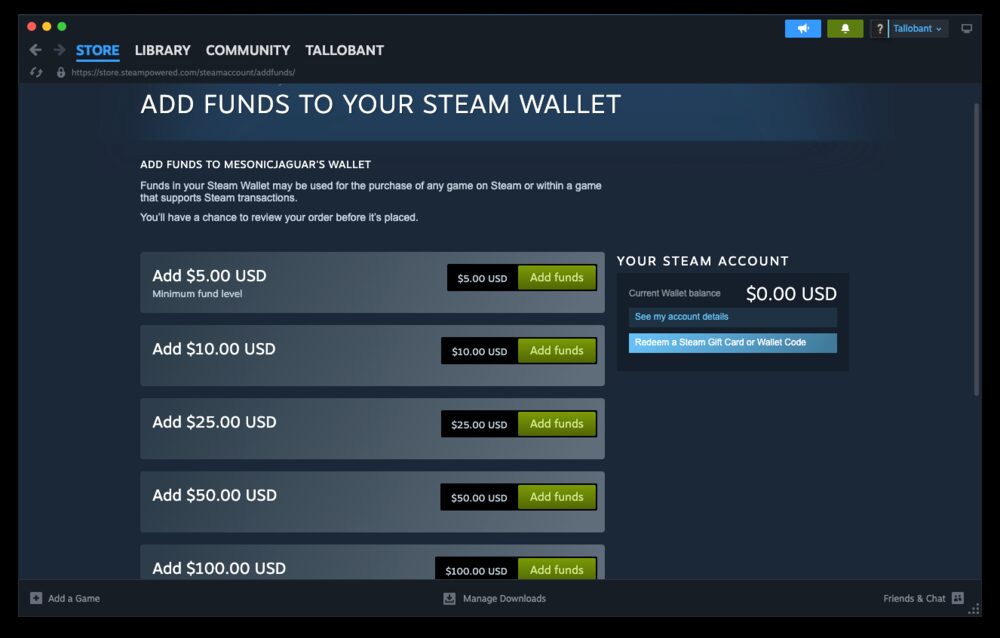
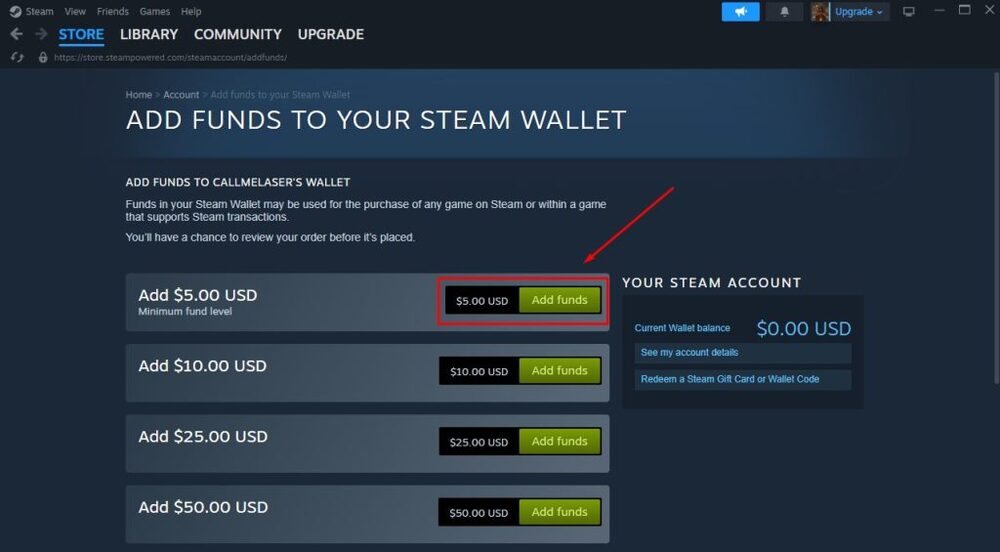
Money enters Steam freely and never leaves. Every card top-up, every skin sold on the Community Market, every gift-card redemption becomes wallet balance — spendable on games, DLC, and more items, withdrawable to nowhere. Valve has run it this way since the market launched in 2012, and nothing about the design suggests it will change: the loop is the business model.
That single design choice creates two parallel price systems for the same items. There's the Steam price, denominated in trapped currency, and the cash price on third-party venues, denominated in money that buys groceries. As of mid-2026, the gap between them for liquid CS2 items typically sits somewhere around 20–30%, varying by item class and market mood.
Why the gap is structural, not a mispricing
A persistent 25%-ish spread between two prices for the same asset would be an arbitrage anywhere else. Here it's an equilibrium, held open by three one-way valves:
- The fee wedge. Every Steam Market sale surrenders roughly 15% — about 5% to Steam plus 10% to CS2. Sellers demand higher sticker prices to net the same amount, inflating the Steam side mechanically.
- The exit discount. Wallet funds are worth less than cash because they're trapped. Anyone who wants real money must sell on cash markets, and cash buyers know it — so they bid below Steam. The spread is, quite literally, the market's price for liquidity out of Valve's ecosystem.
- Captive demand. On the Steam side, buyers with wallet balances they'll never withdraw anyway happily pay "wallet prices." Their indifference to the gap is what keeps it from closing.
The same logic explains why the gap widens and narrows: heavy cash-out pressure (crashes, holiday cash-out seasons) pushes cash prices down faster than Steam prices; hype phases pull them back together. Watching the spread itself is a decent sentiment gauge — one of the better uses of a price aggregator. When the discount blows out well past its usual range, someone, somewhere, urgently needs real money; historically that has been a better buy signal than most chart patterns this market produces.
Accounting honestly: mark to cash
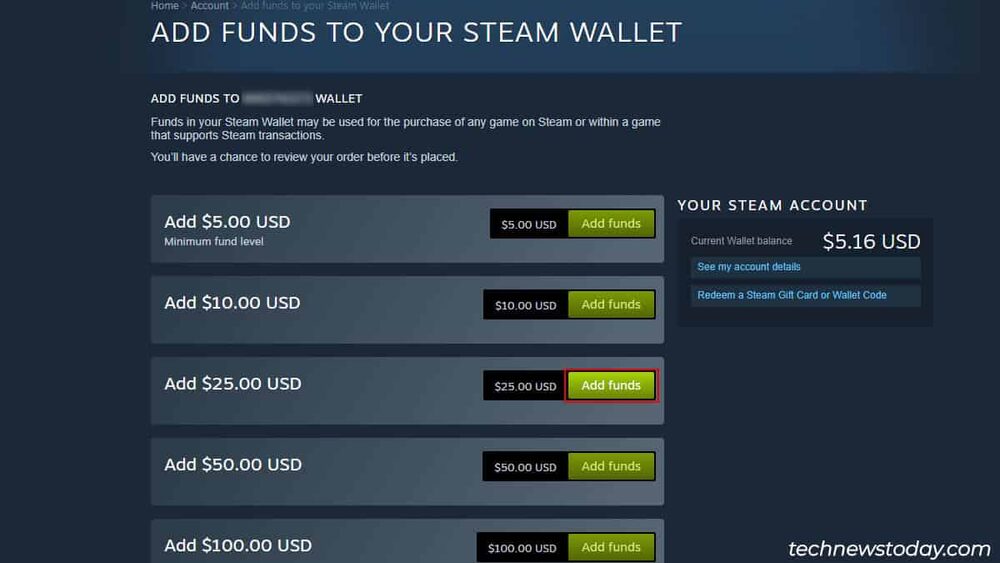
The practical failure mode is portfolio self-delusion. Inventory trackers default to Steam prices because they're the easiest to fetch — which silently overstates what you own by the size of the haircut. The discipline fix is simple:
Marking to cash changes real decisions, not just feelings. Returns you compute against Steam prices flatter every position by the same 20–30%; measured against cash, some "profitable" flips were actually round trips that fed fees. It also reframes exit planning: your sell targets should live in cash terms, because that's the currency you'll receive. The full route from listing to bank account is mapped in the cash-out guide.
There's a second-order benefit, too: cash accounting makes cross-venue comparisons coherent. "This case is $1.40 on Steam and $1.05 on a cash market" sounds like two prices for one item; in real terms it's roughly one price viewed through two currencies. Once everything in your ledger is denominated the same way, the actual bargains — and the fake ones — become visible.
The history rhymes: locked keys
If you want proof that Valve treats convertibility as a policy lever rather than a promise, look at keys. In October 2019, newly bought keys became permanently untradable and unmarketable overnight — an asset class's cash value went to zero by patch note, while its wallet-side utility stayed intact. The lesson generalizes: the bridge between Steam value and real-money value exists at Valve's pleasure. Pricing your holdings in cash, on venues where cash actually settles, is the only accounting that survives that kind of surprise.
Which side of the loop should you even operate on?
The wallet isn't useless — it's a currency with specific valid uses. A rough decision table:
| Your situation | Sensible venue | Why |
|---|---|---|
| You buy games anyway | Sell on Steam | For money you'd give Valve regardless, wallet dollars are worth face value to you |
| Buying items to hold | Buy on cash markets | Why pay wallet-inflated prices with real money? The cash venues are 20–30% cheaper for the same item |
| Building a position over time | Cash markets, systematically | Fee savings compound across hundreds of buys — the core logic of DCA-ing into cases |
| Exiting for real money | Cash markets only | The Steam route ends in the loop, by construction |
The one clean insight underneath all of it: paying real money for items at Steam prices is exchanging a hard currency for a soft one at par. Sometimes convenience justifies it. But an investor who does it by default is donating the spread on every single purchase — and in a strategy built on many small buys, the spread is the edge.