Ten Mistakes Every New Skin Investor Makes
Every mistake on this list has been paid for millions of times. The tuition is real money; the curriculum never changes. Read it once instead.

Entry mistakes: paying too much for the wrong things
1. Buying release-week cases. Every new case follows the same price lifecycle: a hype spike measured in hours, then a supply flood that grinds the price down for months as drops pour in. Buying in week one means buying at or near the local top of an asset whose supply is about to explode. The time to accumulate an active-drop case is deep into its flatline, not its debut.
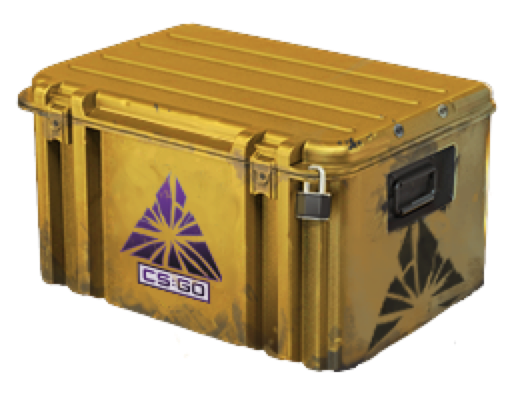
2. Opening the cases. The odds are public and brutal: roughly 0.26% for the rare special item, ~0.64% for a Covert, ~3.2% Classified, ~16% Restricted, and roughly 80% of openings land on a Mil-Spec worth a fraction of the key. The expected value of an opening is deeply negative — which is precisely why the sealed case appreciates. If you open your position, you are the yield someone else's position is earning.
3. Ignoring float and pattern. Two listings with the same name are not the same asset. A 0.07 float and a 0.36 float of the same skin can differ multiples in price, and float plus pattern seed are exactly where beginners overpay — buying the worst example at the average price, or selling a special seed at generic value because they never inspected it.
Accounting mistakes: lying to yourself with Steam numbers
4. Valuing your inventory at Steam prices. Steam Market prices are quoted in wallet funds that can never be withdrawn, and they run structurally above cash prices. Steam wallet dollars are not dollars; the honest value of your portfolio is what a cash marketplace pays, usually 20–30% less. Screenshotting your Steam inventory value and calling it profit is the most common self-deception in this hobby.
5. Ignoring fees on the round trip. Steam takes roughly 15% per sale; third-party venues take their own cut; deposits and withdrawals have costs. A position has to clear the entire fee stack before it earns anything. Beginners count price appreciation; the market counts net proceeds.
6. Keeping no ledger. If you can't state your average cost per item, every exit decision becomes a feeling. Date, venue, price, fee — for every buy. It's tedious exactly once, when you set up the habit.
Strategy mistakes: no plan on either side of the trade
7. No exit plan. Everyone plans the entry; almost nobody decides in advance what would make them sell. Without pre-committed exit rules — a target, a rebalancing threshold, an event trigger — you'll hold through the top and panic-sell the bottom, in that order.
8. Over-concentration. One case, one knife, or one sticker thesis carrying your whole stack means one Valve patch note can reprice your net position overnight — the 2025 trade-up update did exactly that to knife-heavy inventories. Spreading across sub-classes won't save you from a market-wide crash (everything correlates when Valve ships), but it saves you from single-item ruin.
9. Trusting "guaranteed profit" communities. Discords selling signals, "insider" case picks, or managed skin portfolios are either recycling public information or running an exit-liquidity scheme with you as the liquidity. The same skepticism applies to too-good marketplace offers — the standard scam catalog is old, documented, and still working, and it works best on people who believe they've found an edge nobody else can see.
10. Sizing the budget for a bull market. A position you'd abandon in a 30% drawdown was too big on day one. This market crashes on schedule-less Valve updates; your budget must survive them, because the buys you make during a crash are the ones that matter.
What the mistakes have in common
Look at the list again: almost every entry is a failure of process, not of knowledge. The fixes are boring and mechanical:
- Buy on a schedule, not on hype — dollar-cost averaging removes the timing decision that beginners reliably get wrong.
- Account in cash prices, net of the full fee stack.
- Write down your exit rules before you need them.
- Cap position sizes so no single item or patch note can hurt you.
- Log every transaction, automatically if possible.
None of this requires predicting the market. It requires not being your own counterparty — which, for a beginner, is the trade that loses most often.
There's a reason the veterans in this market sound boring. They've all paid some version of this tuition: the release-week case that flatlined for two years, the "sure thing" knife bought at Steam price and sold at cash price, the Discord pick that dumped a week after they bought. What separates the ones still here from the ones who rage-quit isn't that they stopped making mistakes — it's that they built systems that make the expensive mistakes structurally impossible. A schedule can't FOMO. A ledger can't misremember its cost basis. A price ceiling can't chase a spike. The market will always be volatile and Valve will always be unpredictable; your process is the only variable you actually control, so spend your effort there.