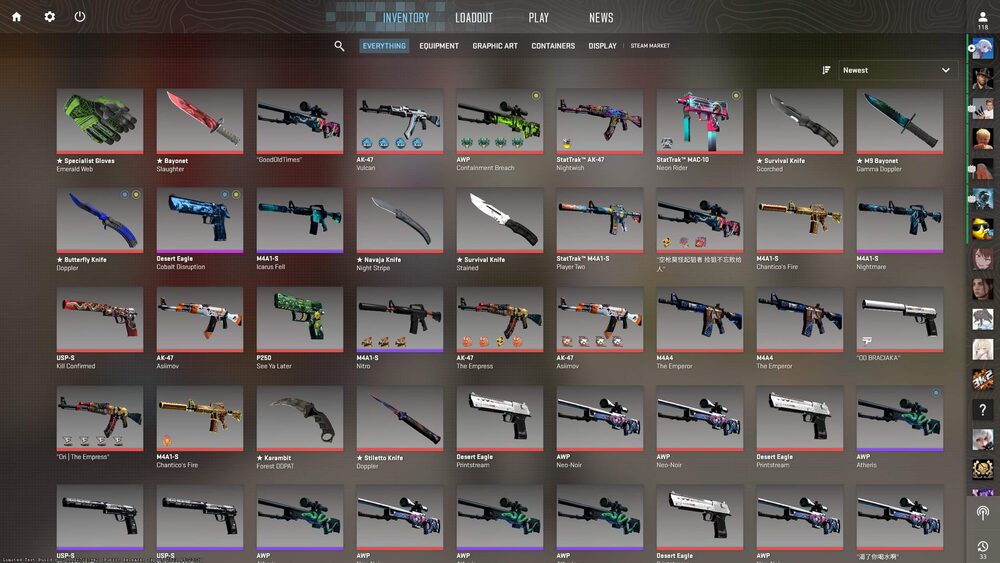
Diversifying a Skin Portfolio: Cases, Capsules, and Grails
Every legendary skin fortune is a concentration story — and so is every blown-up inventory. Diversification inside one game's economy is possible, but it doesn't work the way equity diversification does.
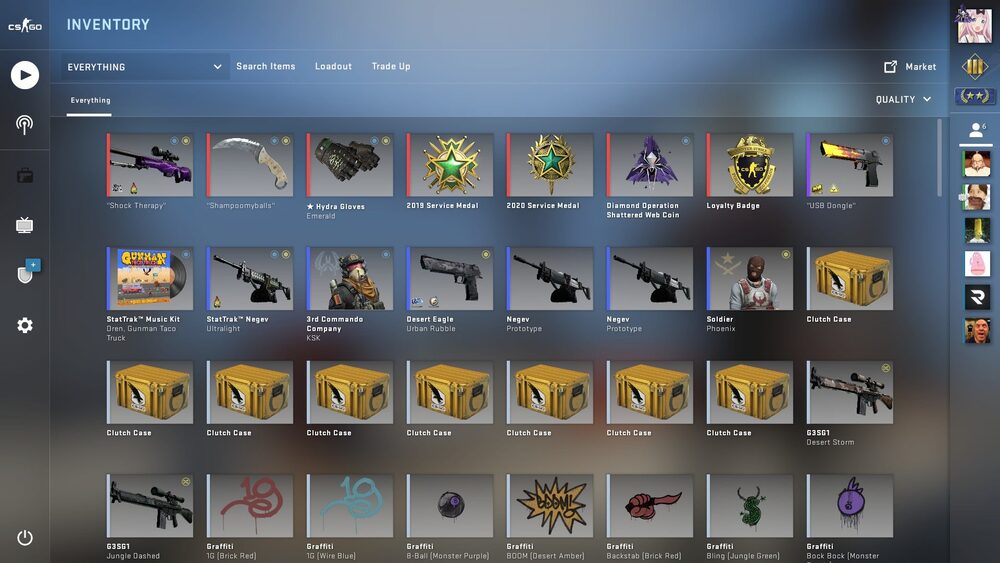
The uncomfortable truth first: everything correlates with Valve
Before allocating anything, be honest about what diversification inside CS2 can and cannot do. Every item you own runs on the same platform, under the same terms of service, exposed to the same patch notes. When the 2025 trade-up update hit, knives crashed and red Coverts spiked — different directions, same cause, minutes apart. When trade holds landed in 2018 or keys died in 2019, the whole market repriced together. In a true Valve-level shock — a policy change, a regulatory event — correlations go to one, just like equity correlations do in a liquidity crisis.
So what diversification actually buys you here is protection against idiosyncratic risk: one case getting re-added to a drop pool, one sticker's team collapsing, one grail's pattern meta shifting. That's worth having. It is not a hedge against Counter-Strike itself. Only allocation outside the game does that, which is why sizing the whole skin portfolio against your real net worth is the first decision, not the last.
The sub-asset classes, and what each actually gives you
| Sub-class | Return driver | Liquidity | Main risk |
|---|---|---|---|
| Active-drop cases | Future discontinuation | Excellent | Years of flat supply-fed prices |
| Discontinued cases | Supply burn vs player growth | Excellent | Drop-pool reactivation |
| Sticker capsules | Frozen supply, craft demand | Moderate | Attention-driven, team risk |
| Liquid skins | Player demand, meta | Good | Fashion risk, float repricing |
| Patterns & grails | Collector scarcity | Poor | Thin exits, valuation opacity |
A few notes the table can't carry. Discontinued cases are the market's blue chips: structurally deflationary, deeply liquid, and boring in the best sense. Active-drop cases are the opposite bet — you're buying cheap supply today on the thesis that Valve eventually rotates the case out of drops, at which point its economics flip; the cost is that "eventually" can mean years of dead money. Capsules — especially tournament capsules whose supply froze the day the event window closed — have produced some of the best returns in CS history, but they're attention assets; they can sleep for years between Majors and reprice violently when craft metas shift. Liquid skins add a return stream the other classes lack — actual player demand, since people buy skins to use them — but they also carry fashion risk that sealed containers don't. Grails and rare patterns sit at the far end: spectacular scarcity, near-zero exit liquidity, and pricing that's closer to art appraisal than to an order book. A $50,000 blue gem is a position you may need months to exit at fair value, through brokers, with real counterparty diligence on every offer.
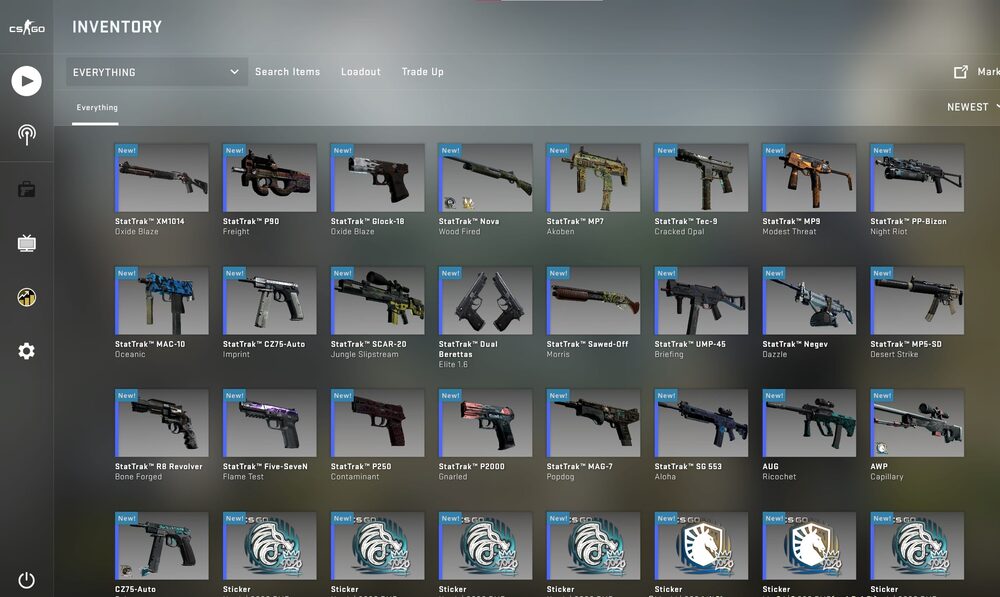
Position sizing: the part that actually saves you
Asset selection gets the attention; sizing does the work. The principles that transfer from every other market:
- Size by liquidity, not conviction. A position you can't exit inside a week during stress should be small regardless of how right you are. Cases can be 60–80% of a portfolio precisely because they exit in minutes; a single illiquid grail probably shouldn't exceed 10–15% even if it's your best idea.
- Cap single-item and single-theme exposure. Twenty different Katowice-era stickers is one position wearing twenty hats — it's all early-capsule nostalgia beta. Same for five cases that all depend on the same knife line staying fashionable.
- Hold a cash-adjacent sleeve. Some allocators keep a slice in the most liquid items (or actual fiat on a marketplace balance) purely to buy crash days. The best entries of the last five years lasted hours.
- Rebalance on thresholds, not feelings. When capsules triple and become half your book, trimming back to target is the mechanism that converts volatility into realized gains. Without a rule, you'll ride the round trip.
A sane structure for a mid-size portfolio
For a portfolio in the hundreds-to-low-thousands range, a defensible starting shape looks like: a case core (majority of the book, split between active-drop volume plays and discontinued compounders, ideally structured as a tiered ladder), a capsule satellite sized to what you can watch, a liquid-skin sleeve if you actually enjoy trading, and grails only once the rest exists — and only with money whose multi-year illiquidity you genuinely accept.
Build the core mechanically. Accumulating the case sleeve via dollar-cost averaging solves two problems at once: it smooths your entry into the most volatile part of the book, and it removes the temptation to deploy the whole budget into whatever sub-class just pumped — which is how most concentration happens in practice. Nobody decides to be concentrated; they just keep buying what went up.
And keep the accounting honest: mark everything in cash terms, not Steam-wallet terms, and track cost basis per sub-class. A portfolio you can't measure is a portfolio you can't rebalance.

What diversification won't fix
No allocation protects you from the platform. Valve can change trade rules, drop pools, or the game itself on any Tuesday, and every sub-class will feel it simultaneously. Diversification inside CS2 narrows the distribution of outcomes; it doesn't move the floor. The floor is set by how much of your actual wealth is in the game — get that number right first, and the rest of this article is just optimization.