
CS2 Case Investing in 2026: A Complete Starter Guide
Cases are the index fund of the skin economy: cheap per unit, deeply liquid, and running on supply mechanics you can actually reason about. Here's how to run the position properly, end to end.
What you're actually buying
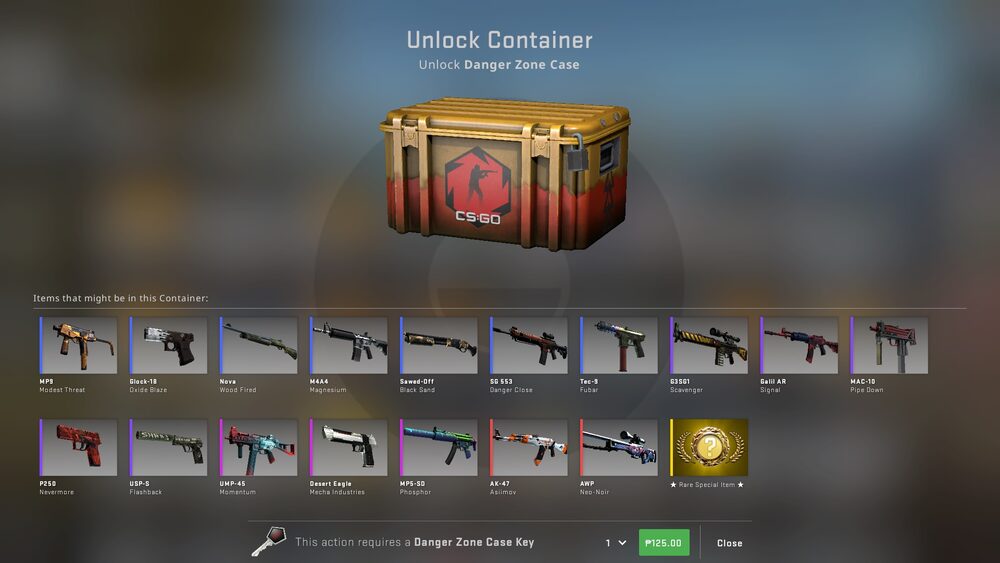
A sealed case is a bet on a simple asymmetry: every case that gets opened is destroyed forever, while new supply for older cases has slowed to a trickle or stopped entirely. Demand — driven by a player base that keeps setting records — burns through existing supply every single day. That burn-schedule dynamic is the entire thesis. You're not buying art, provenance, or a pattern lottery ticket; you're buying a fungible unit of shrinking supply.
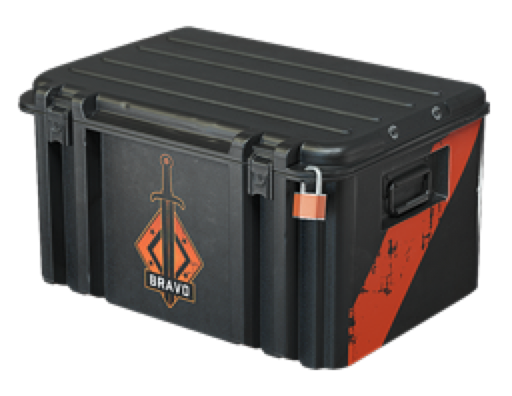
As of mid-2026, the market offers everything from active-drop cases trading for cents to decade-old operation cases worth hundreds of dollars each. The spread between those two ends is not random — it's a fairly legible function of age, supply, and contents.
The selection framework: age, supply, contents
Three questions sort almost every case into a rough tier:
- Where is it in its drop lifecycle? Active-drop cases have ongoing supply and behave like commodities in surplus. Cases moved to the rare drop pool get a supply choke. Fully discontinued cases are the blue chips — no new units, only burn.
- How much supply already exists? A case that dropped for years during the COVID player boom has orders of magnitude more units in circulation than a short-lived operation case. High existing supply means years of flatline before scarcity bites; thin supply means volatility in both directions.
- Does anyone want what's inside? Opening demand is what burns supply. Cases with a coveted knife line, popular Covert skins, or meme-status contents get opened at higher rates — which is bad for the opener and great for the holder.
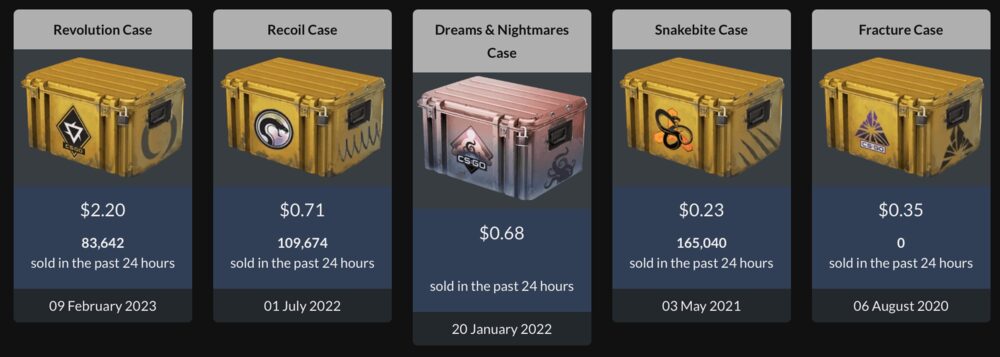
New releases deserve their own warning: every fresh case follows the same lifecycle — hype spike, supply-flood crash to near the price floor, then years of plateau while it drops actively. Buying release week is almost always buying the top of a multi-year round trip.
| Tier | Supply state | Typical behavior | Role in a portfolio |
|---|---|---|---|
| Active drop | Growing | Flat, pinned near floor | Cheap volume, long patience |
| Rare drop pool | Slowing | Grinding appreciation | Core holding |
| Discontinued | Shrinking only | Long uptrend, sharp on shocks | Blue-chip anchor |
Buying: venue, fees, cadence
Where you buy matters as much as what you buy. The Steam Community Market charges roughly 15% per sale — 5% to Steam plus a 10% CS2 game fee — and the proceeds are trapped in your Steam wallet forever. That structure means Steam prices are not cash prices, and buying there with real money usually means overpaying versus third-party cash markets. Comparing venues per purchase — Steam, DMarket, SkinBaron and the rest — routinely finds spreads of a few percent, which compounds exactly like extra return when you're making hundreds of small buys. The marketplace landscape is worth learning before your first order, not after.
Then there's cadence. Cases are volatile enough that entry timing dominates early results, and nobody reliably times a market where a Valve patch note can reprice everything on a random Tuesday. The boring answer is dollar-cost averaging: a fixed daily or weekly budget spread across your case list, with per-unit price ceilings so a thin order book can't fill you 20% above fair value. It won't beat a perfectly timed lump sum; it will beat the lump sum you would actually have made.
One mechanical note: items bought or traded are subject to the 7-day trade hold Valve introduced in 2018. For a buy-and-hold case position this barely matters, but it shapes how quickly you can move inventory between accounts or venues, so plan around it rather than discovering it mid-transfer.
Storage and operations
A serious case position outgrows the default inventory fast. Storage units — in-game containers costing about $2 each — hold 1,000 items apiece with no limit on how many units you own, and they're the difference between an inventory and a warehouse. Label units by case and tier, keep a spreadsheet (or automated ledger) of quantity and average cost per case, and treat account security as part of the position: Steam Guard mobile 2FA, no shared API keys, no login through links. The full operational playbook is in our storage units guide.
Exits, expectations, and the honest risk list
Cases are among the most liquid items in the economy — a $50 case sells in minutes at a tight spread, which is a luxury knife holders don't have. That liquidity makes disciplined exits possible: laddered selling into strength, rebalancing between tiers, or event-driven trims. Decide the framework before you need it; our guide on exit discipline covers the options.
On expectations: many discontinued cases have compounded at rates equity investors would kill for over the past five years, and the whole category massively outran its 2021 lows. Past performance is exactly that. A sober base case is that discontinued-case returns mean-revert toward something less spectacular as more capital treats them as an asset class.