China's Outsized Role in the CS2 Skin Economy
The largest pool of skin demand on Earth trades on platforms most western holders have never opened. If you own CS2 items, Chinese buyers are probably setting your marginal price whether you know it or not.
The platforms: Buff, YouPin, and the CNY rails
China's skin economy runs through domestic marketplaces — NetEase's Buff (Buff163) and Uuyp/YouPin being the two giants — that settle in yuan through local payment rails like Alipay and WeChat Pay. Neither publishes audited volume, but per third-party trackers and pricing aggregators, these two platforms plausibly clear more skin value than every western cash marketplace combined. Fees are reportedly in the low single digits, listings for liquid items run into the thousands, and buy-side depth on popular knives and rifles routinely dwarfs anything visible on Steam or western third-party sites.
This is why virtually every serious pricing tool treats Buff (and increasingly YouPin) prices as the reference price for mid-and-high-tier items, not Steam. Valuing a skin off its Steam listing while ignoring Buff is like quoting a stock off one regional exchange after hours.
Access is the catch. Buff and YouPin require Chinese identity verification and payment methods, which keeps most western traders on the outside looking in. The practical consequence is a persistent structural spread: when Chinese demand runs hot, Buff prices lead western prices upward and the gap gets closed by intermediaries moving inventory eastward; when Chinese sellers dominate, the flow reverses. Western venues like SkinBaron and DMarket effectively import Chinese price signals with a lag, which is exactly what makes the lag readable.
Why Chinese demand is structural, not incidental
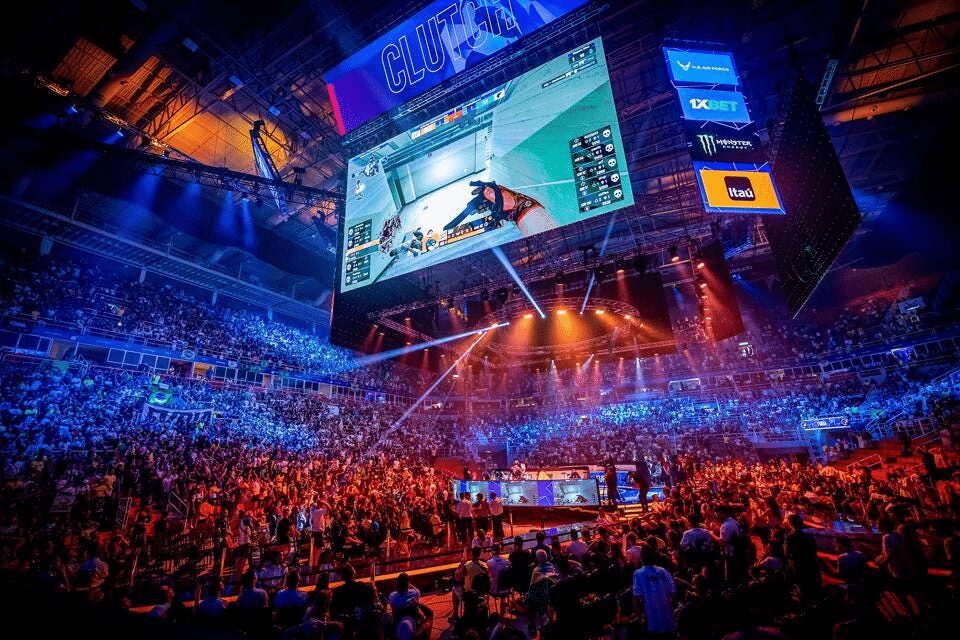
Counter-Strike's Chinese player base is enormous — CS has been distributed in China through Perfect World since the CS:GO era, with a localized client and official standing that most western games never get. The Perfect World Shanghai Major in 2024 made the scale visible to western audiences: a first Chinese Major, massive domestic engagement, and a fan culture with deep roots.
Several structural features amplify that player base into outsized market weight:
- Skins as a savings-adjacent asset. A recurring theme per regional reporting: Chinese traders have treated skins as one of the few lightly-restricted, dollar-adjacent stores of value accessible to ordinary buyers. Whatever the macro driver, the observed behavior is sustained, price-insensitive accumulation of blue-chip items.
- Gift culture and status pricing. High-tier knives and gloves carry conspicuous-consumption value in Chinese CS culture, supporting premiums on precisely the items with the thinnest supply.
- Professionalized trading. The Buff ecosystem includes full-time traders, arbitrage desks, and lending against inventory — a depth of market infrastructure the West only partially matches.

The Lunar New Year effect and other rhythms
Chinese participation gives the global market a calendar. The best-documented pattern is the Lunar New Year dip: in the weeks around the holiday, sell pressure reliably rises — commonly attributed to traders cashing out for holiday spending and gifting — and liquid item prices sag before recovering through spring. It doesn't repeat with identical magnitude every year, and seasonality is easy to overfit, but it recurs often enough that experienced accumulators treat late January as a buying window rather than a reason to panic.
When Buff sneezes, Steam catches a cold about six hours later. The lag between Chinese price moves and western venue repricing is one of the market's most reliable little clocks.
Time-of-day matters too: liquidity and price discovery for many items peak during Chinese evening hours. A western trader watching only their own daytime is watching the market's quiet shift.
The risk column: regulation and rails
Concentrated demand is also concentrated risk. The honest bear points:
- Regulatory exposure. Chinese authorities have a long history of abrupt intervention in gaming — playtime limits for minors, monetization rules, license freezes. A regulatory action that impaired skin trading or payment rails on Chinese platforms would remove a huge bid from the global market overnight. This scenario belongs in every holder's crash playbook.
- Rail fragility. Moving value between Buff-world and western cash markets involves cross-border friction. When that friction spikes, venue spreads blow out and arbitrage stops disciplining prices.
- Opacity. No audited volume, and incentives on all sides to overstate activity. Any figure about Chinese market share deserves the same skepticism as every other unaudited number in this market.
What to actually do with this
Three habits follow from taking China seriously. First, anchor valuations to Buff/YouPin-referenced aggregator prices, not Steam listings. Second, expect and plan for the calendar — treat Lunar New Year softness as scheduled volatility, which is a gift to anyone averaging in on a fixed daily budget rather than lump-summing. Third, size positions with the understanding that the market's biggest bid sits under a regulator you can't read. None of this makes skins un-investable; it makes them an asset with a China factor, like copper or luxury watches — you just have to price it in.