
The Trade Protection Update: Reversible Trades, New Rules
For twelve years, a completed CS2 trade was final — which made a hijacked account an emptied account. In 2025 Valve made trades reversible, and traded a scam problem for a liquidity problem.
What trade protection does
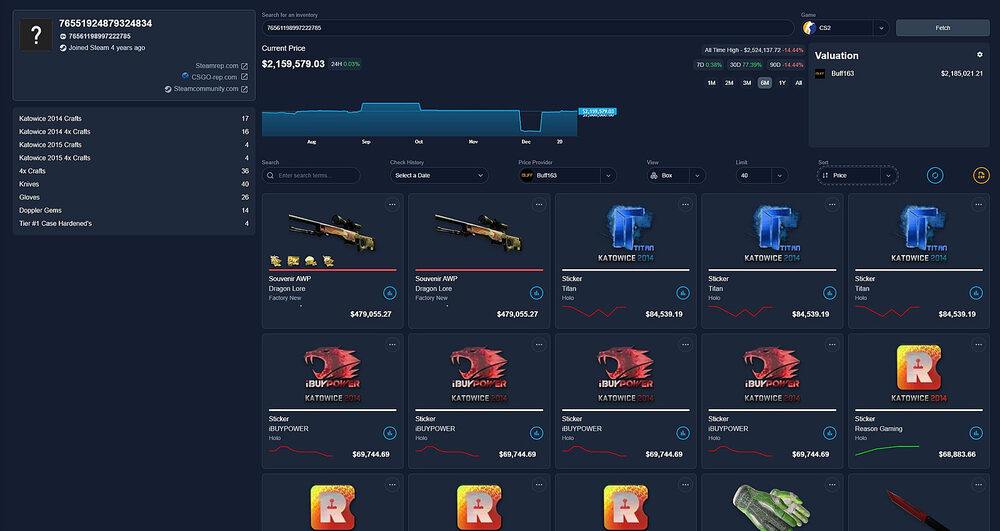
The 2025 trade protection update introduced a window after an item changes hands during which the transfer is not yet settled. Items arriving via trade enter a protected state, and if Valve determines the sending account was compromised, the trade can be rolled back — the items return to the victim instead of vanishing into a scammer's alt-account laundry chain. Protected items carry restrictions on being re-traded until the window expires, so a stolen knife can no longer be flipped through five accounts in an afternoon.

The design goal was straightforward: kill the economics of account hijacking. The classic attack — API-key phishing, fake login pages, session theft, the whole catalog dissected in our scam-defense guide — worked because stolen items could be moved and sold faster than any victim could react. Reversibility breaks that. An item that can be clawed back for days is nearly worthless to a thief and toxic to any fence who touches it.
The precedent: Valve always chooses fraud-control
Anyone surprised by the update hadn't been paying attention. Valve has faced the security-versus-liquidity trade-off repeatedly, and it has picked security every time:
- 2018: the seven-day trade hold, which gutted the instant-trade site model overnight — the full story is in the 2018 trade holds retrospective.
- 2019: keys made untradable outright after Valve concluded nearly all key resales were fraud-sourced, covered in the key removal piece.
- 2025: trade protection — the same philosophy, applied to the item transfer itself rather than to a single item class.
The pattern across all three: Valve will burn trader convenience without hesitation to protect the median player's inventory. Every market structure bet should assume that preference is permanent.
The market reaction
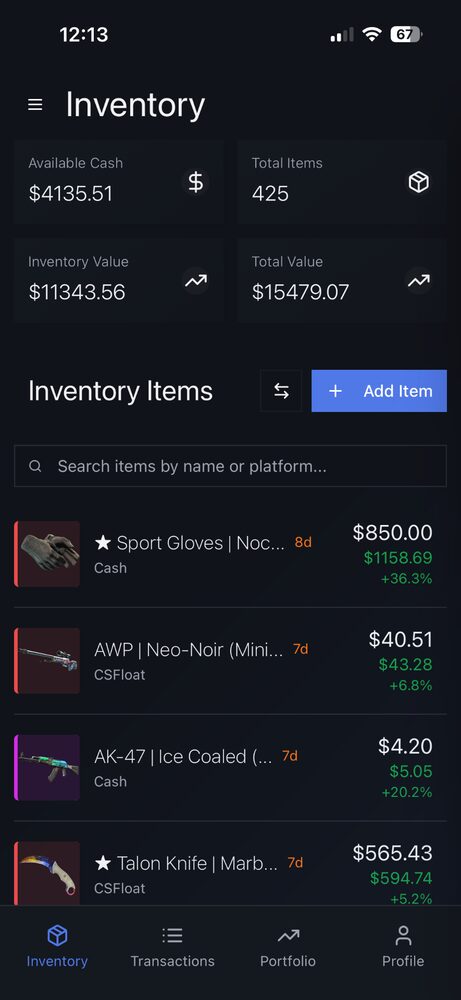
The immediate reaction had two distinct phases. First came reflexive fear: any update touching trade mechanics reads as liquidity risk, and prices on some liquid, trade-velocity-dependent segments reportedly dipped as traders de-risked. Second came a reappraisal, as the market worked out who actually paid the cost.
The cost fell on velocity, not value. High-frequency flippers, cross-platform arbitrageurs, and peer-to-peer traders absorbed real friction — every hop in a multi-leg trade now potentially carries a settlement delay, stacking on top of the existing holds explained in the trade locks guide. Marketplaces adapted the way they adapted in 2018: adjusting escrow flows, repricing items in protected states at a discount, and building the wait into their UX. Per community trackers, the aggregate price impact faded within weeks; as of mid-2026 it barely registers next to the year's genuine repricing event, the trade-up update.
It's worth separating the two kinds of pain the update caused. The measurable kind — wider effective spreads on fast-moving items, slower inventory turns for trading desks — showed up in venue data quickly and then stabilized at a new normal. The louder kind was cultural: a segment of the trading community read reversibility as Valve breaking the finality that made items feel like property. That objection faded for a simple reason — finality had already been an illusion for the victims of every hijack. The update didn't introduce the possibility that your items move without your genuine consent; it redirected that possibility away from the honest side of the ledger.
For long-horizon holders, the second-order effect is arguably positive. Scams are a tax on the whole ecosystem — every emptied inventory is a player who quits and a story that scares off marginal demand. A market where theft doesn't pay is a market where holding is safer, and where the trust premium accrues to the asset class. The same logic underpinned the eventual recovery after 2018: structure-driven dips heal once the market confirms demand is intact, a dynamic ranked and compared in the crash retrospective.
What it means in practice
Concrete adjustments for anyone active in the market as of mid-2026:
- Plan settlement lag into exits. If you need cash by Friday, the sale needed to happen last week. Reversibility windows stack with trade holds and marketplace payout timelines — the full path is mapped in the cash-out guide.
- Protected-state discounts are real but temporary. An item stuck in its window prices below a free copy of itself. If you're a patient buyer, that discount is yield for waiting.
- Security hygiene still matters. Trade protection reduces the payoff of hijacks; it doesn't make phishing harmless. Reversals depend on Valve's determination, and prevention beats remediation.
- Velocity strategies got structurally worse; accumulation strategies didn't. If your edge was flipping ten times a day, the update taxed it. If your strategy is steady buying and long holding, effectively nothing changed.
The quiet takeaway
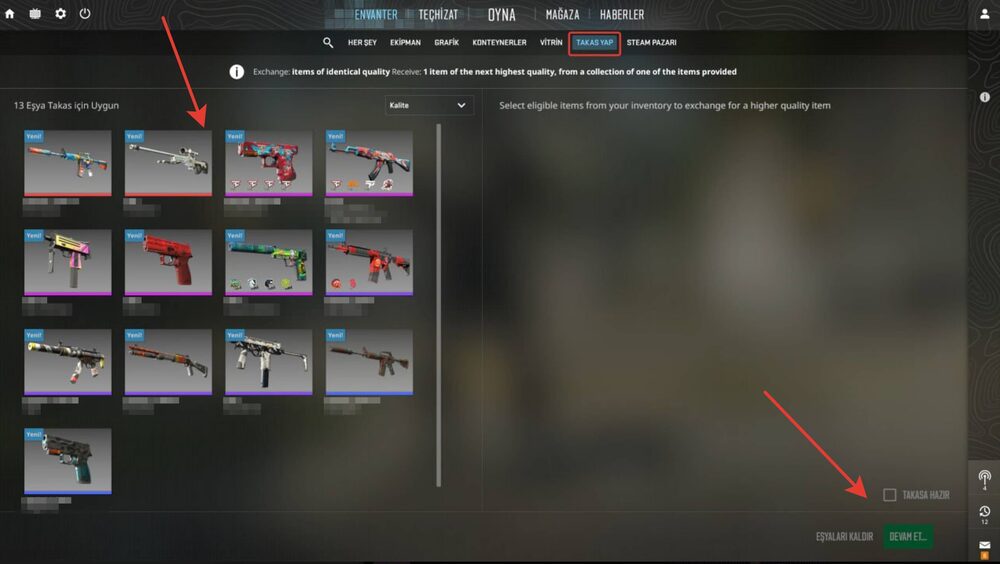
Trade protection will never headline a crash ranking. Its significance is institutional: Valve keeps behaving like the custodian of a real financial system — anti-fraud rails, settlement windows, clawbacks — while insisting the whole thing is just cosmetics. Each such update makes the market a little slower, a little safer, and a little more legible to the kind of capital that treats skins as an asset class. The traders who thrived after 2018 were the ones who adapted to the new microstructure instead of mourning the old one. Same assignment this time.