
Overtrading: How Skin Traders Donate Their Edge in Fees
There's a player in every skin market who wins on almost every trade you make: the venue. Fees don't care whether you were right. The more often you act, the more you pay for the privilege of acting — and in a market where round trips can cost double-digit percentages, activity itself is a position. Usually a losing one.
The toll booth you keep driving through
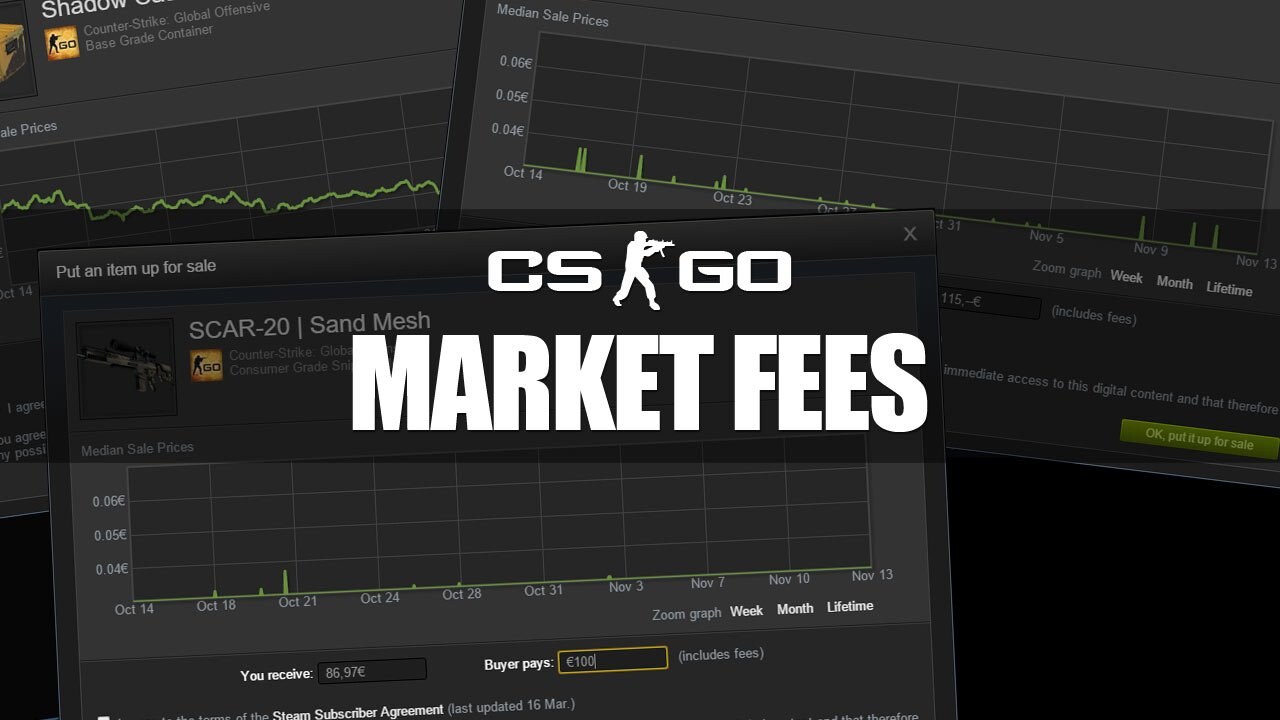
Selling a skin costs money everywhere. The Steam Community Market takes roughly 13–15% — and pays you in wallet funds you can never withdraw, which makes its "prices" a different currency altogether. Cash marketplaces typically charge sellers somewhere between 2% and 12% depending on the venue, item, and seller status. Stack the bid-ask spread on top (you buy near the ask, sell near the bid — the gap is a cost even though no invoice ever shows it), and a realistic all-in round trip — buy plus sell plus spread — lands in the 8–15% range for most items on most venues. The per-platform details are in Steam's 15% Cut.
That number is the toll for one decision cycle. A flipper doesn't pay it once; they pay it every cycle, and the cycles compound against them. The venue, meanwhile, collects on every cycle regardless of direction — which is why marketplaces sponsor trading content and nobody sponsors holding.
The break-even treadmill
The simplest way to feel the drag: ask what an item has to do just to get you back to flat. The arithmetic below is illustrative — round numbers, all-in round-trip costs — but the shape is what matters:
| All-in round-trip cost | Price move needed to break even | After 10 flips, capital left if items go nowhere |
|---|---|---|
| 5% | ~5.3% up | ~60% |
| 10% | ~11.1% up | ~35% |
| 15% | ~17.6% up | ~20% |
Read the middle column first: at a 10% round trip, every single flip needs an 11% favorable move before you earn anything. Skin prices move that much — but not on demand, and not every week. Now read the right column: churn a flat market ten times at a 10% toll and roughly two-thirds of the capital is gone, donated to fee schedules, with zero bad picks required. And that's the neutral scenario — it assumes your flips were coin-tosses rather than mistakes, no mispriced buys, no panicked sells, no items that sat unsold for a month. Nobody feels this happening, because each individual toll is small and the item you're holding at any moment looks fine. Overtrading doesn't fail loudly. It bleeds.
Why smart people churn anyway
Overtrading isn't ignorance — the fee schedules are public. It's psychology wearing a strategy costume:
- Action feels like edge. Monitoring, flipping, and rotating produce the sensation of skill regardless of results. Holding produces nothing to post about.
- Wins are salient, tolls are invisible. Traders remember the flip that made 30% and forget that flips two through nine each quietly paid the house. Without a real cost basis, the memory is the accounting — and memory flatters.
- Every pump is an invitation. A moving market makes rotation feel urgent: out of cases into knives, out of knives into capsules, each hop paying the toll. That's FOMO disguised as portfolio management.
- Small accounts overtrade hardest. Turning $200 into $20,000 by holding is obviously impossible, so the flipping treadmill feels like the only route. In reality the toll math punishes small accounts most, because their spreads are widest on cheap, thin items — see slippage in small markets.
The lazy portfolio, defended properly
The alternative isn't "never sell." It's structuring things so the toll is paid rarely and deliberately:
Buy on a schedule, sell on a ladder. Accumulate with small fixed buys — DCA pays the buy-side toll in tiny increments and never pays the sell-side at all until you choose to. Exit in pre-planned tranches at pre-set multiples, which caps your lifetime number of round trips at a handful. One well-timed toll on a position held for years amortizes to almost nothing annually; a weekly toll on the same capital is a second fee-paying hobby. The ladder also answers the itch that causes churn in the first place — there's always a next planned action, it's just rarely today.
Rebalance by redirecting buys, not by selling. If your allocation drifts, point the next months of scheduled purchases at the underweight items instead of selling the overweight ones. Same destination, zero sell-side tolls — the full technique is in Rebalancing Without Overtrading.
Let the instrument match the tempo. Sealed cases are the natural asset for low-frequency investors: fungible, liquid, thesis measured in years. If you genuinely have edge in fast trading — some snipers do — that's a different business with different math, and it must clear the toll on every trade to deserve the name.
Activity is a cost center
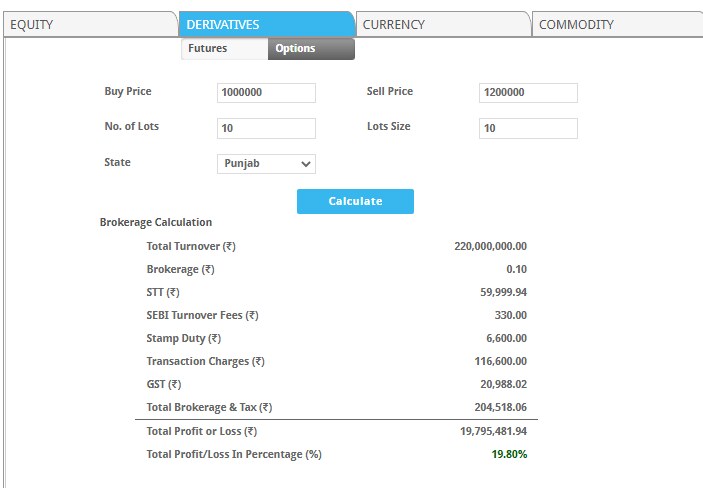
Passive index investors beat most active managers for a reason that transfers cleanly to skins: gross returns are an opinion, but costs are a certainty, and the manager who trades less keeps more of whatever the market gives. In CS2 the effect is amplified because the tolls are five to ten times larger than equity commissions ever were, and there's no broker rebating anything back. The market's long-run engine — shrinking supply, growing player base — pays holders. The venues' engine pays on volume. Every unnecessary trade moves you from the first group to the second.
A useful closing exercise: count your round trips over the last year, multiply by a conservative 8%, and compare the result to your portfolio's actual gain. For a lot of active traders that arithmetic is the most expensive sentence they'll read all week — and the cheapest fix is doing less, on purpose, with the schedule doing the "doing" for you. Pick your lane knowingly.