
Automation as FOMO Insurance
Odysseus knew the Sirens would sound convincing, so he did something smarter than promising to resist: he made resisting unnecessary. Ropes, mast, wax in the crew's ears. A daily buying bot is the same move, translated into a market that produces Siren songs on a weekly schedule.
FOMO is not a character flaw
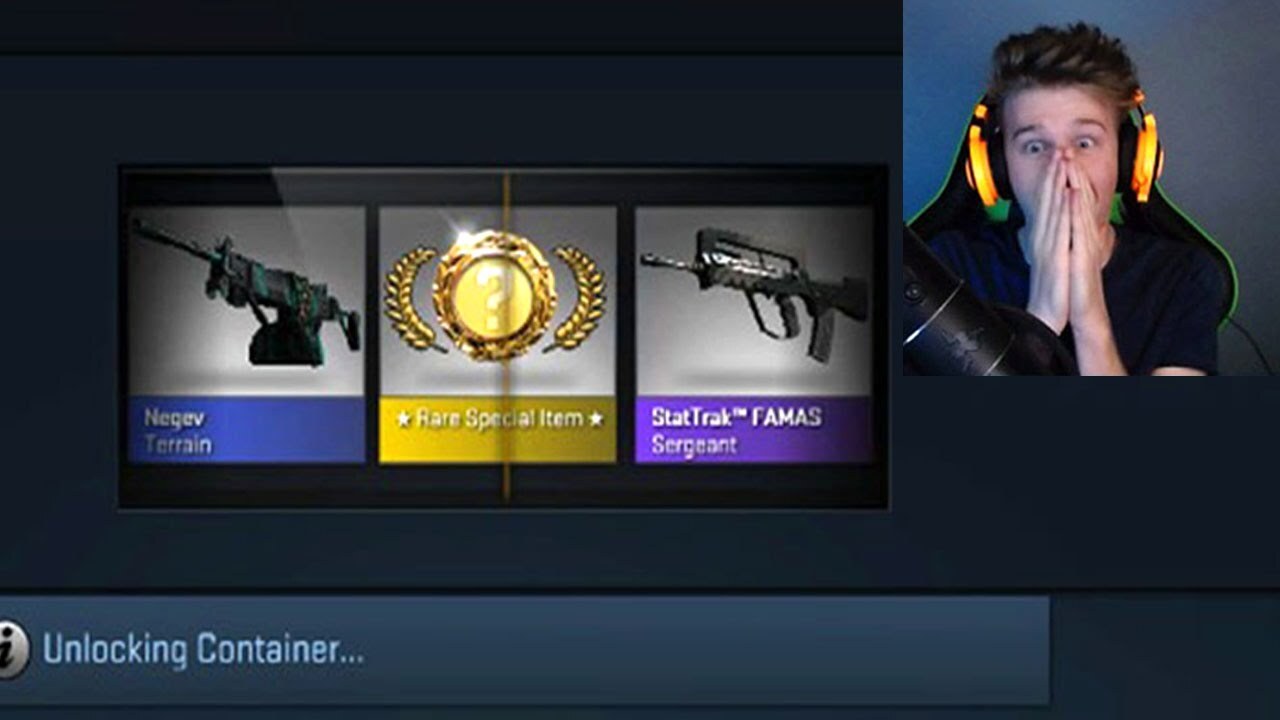
Fear of missing out gets described like a moral failing, which is why nobody plans for it. It's better understood as a hardware feature. Humans weight vivid recent evidence over base rates, chase social proof, and feel the pain of a missed gain almost as sharply as an actual loss. A pumping skin market attacks all three at once: screenshots of someone's tripled case position are vivid, everyone posting them is social proof, and every green candle is a gain you personally missed. Behavioral economists have documented these biases for decades. No amount of reading about them switches them off — professional fund managers with terminals and CFAs still overtrade at tops, which should permanently retire the idea that knowing better is protection. That's the entire point of this article: if awareness worked, this market would have no exit liquidity.
In practice, FOMO makes skin investors do exactly two expensive things: buy the most when prices are highest, and abandon their plan for whatever pumped last week. Both are the mirror image of what a fixed-budget accumulator is supposed to do, and both feel completely rational in the moment. The pattern shows up on every list of beginner mistakes, and plenty of five-year veterans still pay it.
Pre-commitment beats willpower
The behavioral-finance literature offers one reliably effective countermeasure, and it isn't discipline. It's the Ulysses contract: a decision made in a calm state that removes the option to decide again in an agitated one. Automatic 401(k) contributions are the famous example — their power isn't the investment selection, it's that nobody re-decides every payday whether markets look scary.
A daily case-buying bot is a Ulysses contract with an API connection. You choose the items, the budget, and the price ceilings on a quiet Sunday with a clear head. From then on, the plan executes whether or not you're feeling brave, bored, or bombarded. The market pumps 30% and Twitter is euphoric? The bot buys its boring $20 of the list, at the day's cheapest venue, and stops. The market dumps and the panic threads are ablaze? Same $20, same list, now at better prices. You can still change the plan — nothing is locked — but changing it requires the same deliberate, sat-down act that writing it did, which is exactly the friction impulse can't survive. Your emotional state has been surgically removed from the execution path — which, as manual buyers who switched report, is worth more than any feature.
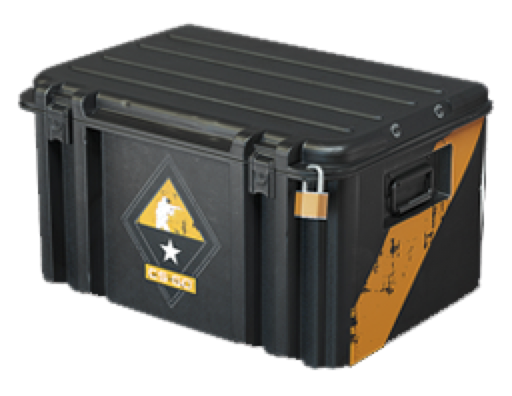
The founder's live cs2stack account is a working specimen: roughly $19–20 a day across about five cases, plus a standing order that buys one CS:GO Weapon Case each week — a triple-digit item purchased on a schedule precisely so there's never a "is this week a good week?" debate. "Buy one per week" as code is FOMO insurance in its purest form: the decision was made once, in writing.
Where the feeling is allowed to go
Pre-commitment without a pressure valve fails, because the urge to do something during a bull run doesn't evaporate — it looks for a gap in the fence. So build the outlet into the plan:
- Selling is the sanctioned excitement. A tranche ladder — sell fixed slices at pre-set multiples — gives bull-run energy a productive job. You're participating in the euphoria by feeding it inventory, which is the profitable side of that trade. The mechanics are in Taking Profit in a Skin Bull Run.
- Plan changes get a cooling-off period. Want to add the case everyone's hyping? Fine — write it down, wait a week, then add it as a small line with its own cap. If the thesis survives seven days without the adrenaline, it might be a thesis. Most don't — the week-later version of a hype buy usually reads like someone else's idea, because it was.
- The caps are the wax in your ears. A per-day budget cap and per-item price ceilings mean even a moment of weakness has a bounded blast radius. Budget caps aren't there to constrain the bot — the bot was never tempted. They're there to constrain the human who configures it at 1 a.m.
The insurance framing, taken seriously
Insurance costs a premium and pays out in bad states of the world. Automation fits the frame surprisingly well. The premium is real: a bot will never catch the exact bottom, never front-run an announcement, never make you feel clever. In exchange, it pays out in the states where discretionary buyers get hurt — euphoric tops (it refuses to size up) and capitulation bottoms (it refuses to stop). Since DCA's whole edge lives in those two extremes, the "boring" premium buys coverage on precisely the moments that decide long-run outcomes. The $20/day public experiment exists to show what that looks like with real receipts rather than backtested hindsight.
One honest caveat: automation insures your execution, not your judgment. If the list of items you chose is bad, the bot will buy bad items with perfect discipline. Humans pick; machines repeat — that division of labor is permanent, and any tool claiming otherwise is marketing. What the machine removes is the gap between the plan you believed in and the plan you actually executed. For most people, most years, that gap — not item selection — is where the money leaks out.
The Sirens don't stop singing. You just stop steering by them.