
Why Manual Buyers Switch to Automated DCA
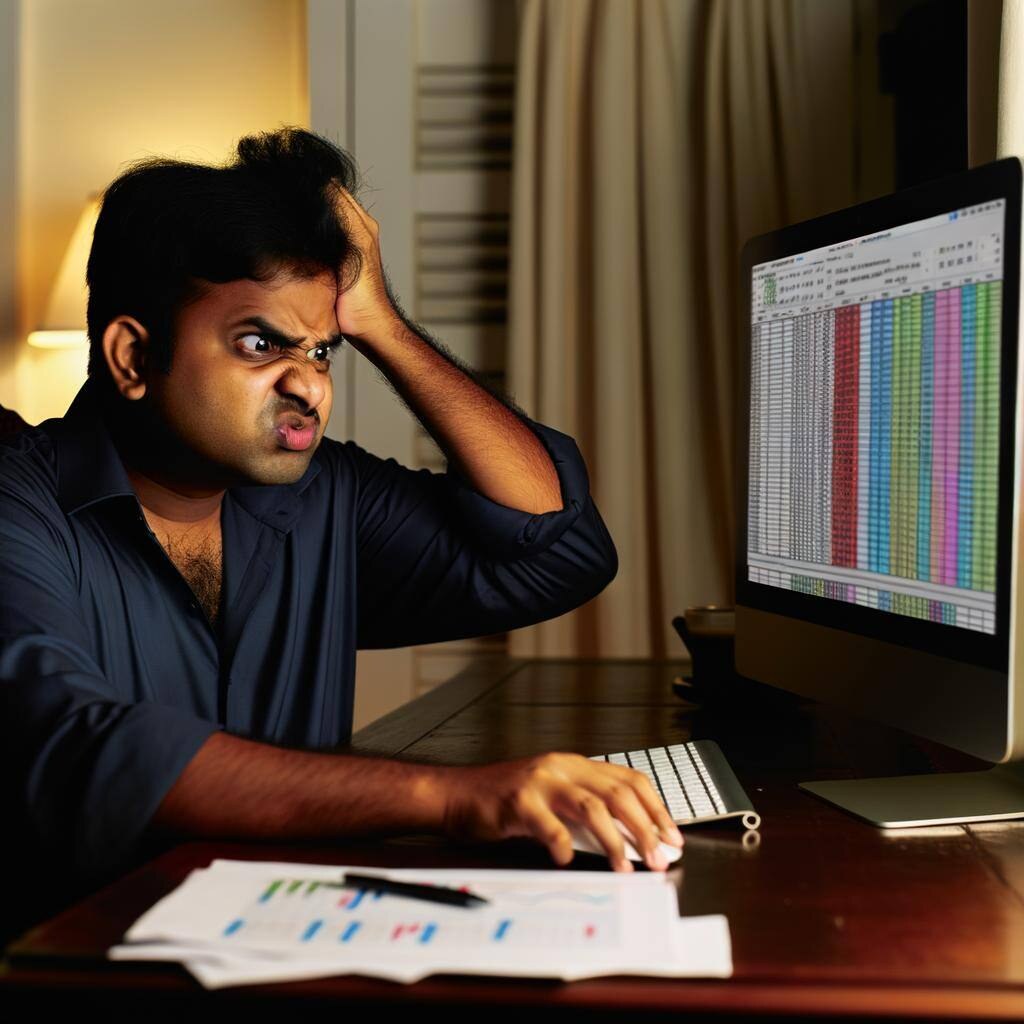
Talk to enough case stackers and the same story repeats with eerie precision. Month one: enthusiastic daily buys, immaculate records. Month two: buys on "most" days. Month three: a missed fortnight, one panicked catch-up purchase at a local top, and a spreadsheet whose last row is six weeks old. The switch to automation almost never comes from ambition. It comes from that third month.
Failure mode one: motivation has a half-life
Manual DCA asks a human to perform an identical, unrewarding task daily, indefinitely. Humans are spectacularly bad at this — not weak-willed, just built for novelty. The task is exciting while it's new and unbearable once it isn't, and the transition takes about a month. The insidious part is that missed days don't announce themselves; there's no red light, no failed test. You just quietly stop being a dollar-cost averager and become someone who occasionally buys cases, which is a different (and worse) strategy — the smoothing that makes DCA work only exists if the buys actually happen.
Automation's fix here is total, because software has no half-life. The founder's cs2stack account has filled roughly $19–20 against a $20/day budget essentially every day in its public ledger, through weekends, holidays, and news cycles. Not because the machine is diligent — because diligence isn't a concept that applies.
Failure mode two: every buy becomes a timing decision
The quiet torture of manual buying is that each purchase reopens a question DCA was supposed to close: is today a good day? Price up 8% — buy anyway, or wait? Price dumping — buy the dip harder, or is it a falling knife? The entire point of averaging is to make these questions irrelevant, but a human at a buy screen answers them anyway, involuntarily. The result is timing anxiety dressed as strategy: skipped red days (fear), doubled green days (chase), and the classic panic catch-up buy after a missed stretch, usually executed at exactly the wrong moment because that's when the guilt peaks.
A bot never reopens the question. Budget, list, caps — executed identically on scary days and euphoric ones. If the price spikes past your ceiling, it skips and says so; if the market bleeds, it keeps buying, which is where DCA earns its keep, per buying through corrections. This is the honest sense in which automation is emotional insurance: not smarter decisions, just decisions made once, while calm, and then protected from the person you become at a price chart. The switch, for most people, is less about efficiency than about firing that person from the execution job.
Failure mode three: records rot
Ask a manual buyer for their average cost on a case they've stacked for a year. Watch the pause. Records were kept for a while, in a spreadsheet, and the spreadsheet died — it always dies, per the rite of passage — so the honest answer is a shrug. Without a cost basis, exits become guesswork and P&L becomes folklore. An automated system produces records as a byproduct of executing: every fill appended to a ledger, money-exact, at the moment it happens. Nothing to maintain, nothing to rot. Why this beats memory (and spreadsheets) is the subject of the audit trail post.
What automation deliberately doesn't fix
Here's where honesty matters, because "the bot handles it" oversells fast. Three things remain fully, permanently manual:
- Strategy. Which cases, what budget, what thesis. The bot executes a list; it has no view on whether the list is wise. Automation doesn't pick winners — you do, ideally with a real selection framework rather than a Reddit thread. A bot pointed at bad items is a very consistent way to accumulate bad items.
- Exits. cs2stack has no selling features at all — buy-side only, by design. When to take profit is a human decision with a human timescale; see exit discipline.
- Risk. A bot enforces your caps; it cannot make the market kind. Valve can reprice this entire asset class with a patch note, and no amount of execution quality changes that exposure.
This division of labor is the correct one. Humans are good at judgment applied occasionally and terrible at discipline applied daily; software is the exact inverse. The switch to automated DCA isn't outsourcing your investing — it's assigning each party the half they don't fail at.
How the switch usually happens
In practice, almost nobody switches from a blog post. They switch after their own month three: the missed fortnight, the shameful catch-up buy, the dead spreadsheet row. If you want to shortcut the tuition, the arithmetic version of this argument — missed days, uncompared fills, error rates, hours — is laid out in manual vs automated: the numbers, and the mechanical setup takes one config file, as shown in getting started. Start it in dry-run, watch it rehearse with real prices for a week, and compare its hypothetical month against your actual last one. For most manual buyers, that comparison ends the debate.
And if it doesn't — if your manual routine genuinely has no missed weeks, no mood-driven deviations, and a current spreadsheet — then keep it. Automation is a fix for a failure pattern, not a virtue in itself. The point of the switch is narrow and unglamorous: make the plan you already believe in actually happen, every day, at the best available price, with receipts. Everything else about your investing stays exactly as human as it was.