
An Audit Trail for Your Skin Buys: Why Ledgers Beat Memory
Quick: what did you pay for the cases you bought in the second week of March, on which marketplace, at what exchange rate? If the answer lives in your memory, you don't have a portfolio — you have a pile with a vibe attached. The fix is old accounting technology: write every transaction down, exactly, at the moment it happens, in a file nobody can quietly edit.
What a purchase ledger is
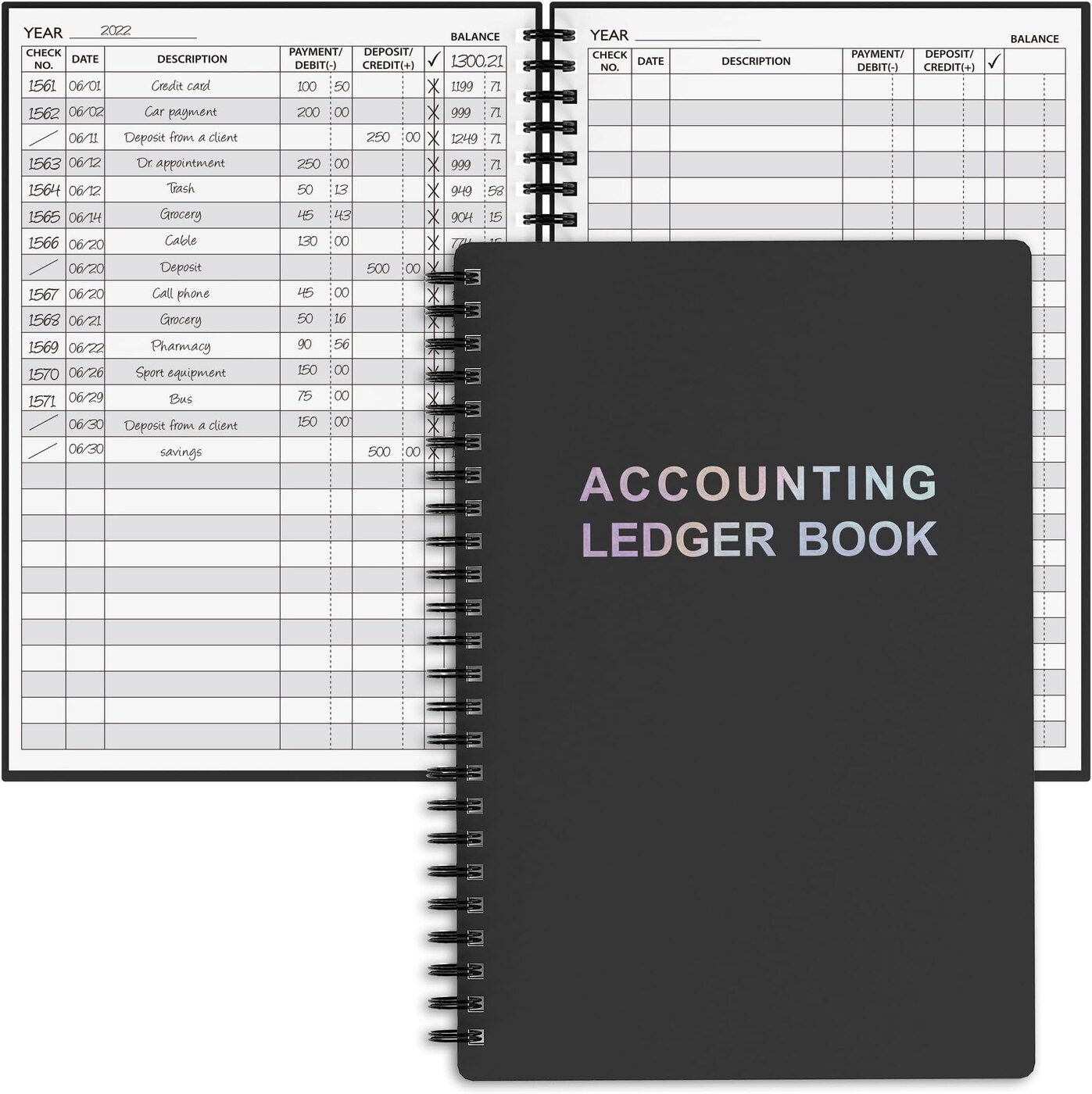
A purchase ledger is an append-only record of every buy: timestamp, item name, quantity, unit price, currency, the exchange rate used if the listing was in euros, the marketplace it came from, and which budget it was charged against. Append-only is the load-bearing property — new lines get added, old lines never get modified or deleted. Your transaction history becomes a fact, not a story you tell yourself.
The implementation can be almost embarrassingly simple. cs2stack writes each purchase as one line of JSONL (a text format where every line is a small self-contained record) and commits the file to git after every run. Git — the version-control system programmers use to track code changes — timestamps every commit and makes history tampering visible, so the ledger comes with a built-in chain of custody. No database, no vendor, no export button that might disappear. A text file and a commit log.
Money-exact matters as much as append-only. "About $19 today" is a diary entry. Five cases, listed prices, EUR-to-USD rate applied, total to the cent is a ledger. The founder's public $20/day experiment runs on exactly this file: the log shows roughly $19–20 of fills most days across about five cases, plus a weekly standing order — and anyone can audit it, which is the entire point of open-ledger investing.
Four things a ledger unlocks
1. A real cost basis. "Am I up?" is unanswerable without knowing what you actually paid — not what the case traded at that month, but your fills, weighted by size. Traders who skip this discover at exit time that their remembered average was flattering by a wide margin. The ledger makes cost basis a query, not an archaeology project: sum the lines, divide by the units.
2. Tax prep that takes minutes. Whether and how skin profits are taxable depends on where you live, but every regime that does tax them asks the same two questions: what did you pay and when? A year of manual trading usually means an evening spent scraping marketplace emails and screenshots into a spreadsheet. A year of ledgered buying means opening one file. The difference is measured in hours — tax season with an automated ledger walks through it, and the tax chapter covers the questions to bring to an actual professional.
3. Dispute evidence. Marketplaces occasionally get things wrong: a purchase that debits but doesn't deliver, a balance that doesn't reconcile. Support tickets that open with an exact timestamp, item, price, and order context resolve very differently from ones that open with "I think I bought it around Tuesday." Your ledger is your receipt drawer, pre-sorted.
4. Idempotency — the safety feature hiding inside the bookkeeping. This one is invisible until it saves you. When a bot crashes mid-run and restarts, how does it know which of today's buys already happened? It reads the ledger. Purchases already recorded don't get repeated; the re-run completes only what's missing. The ledger isn't just a record of what the bot did — it's the source of truth that decides what the bot is still allowed to do. That design pattern gets a full post in why good bots never buy twice.
Why memory and screenshots fail
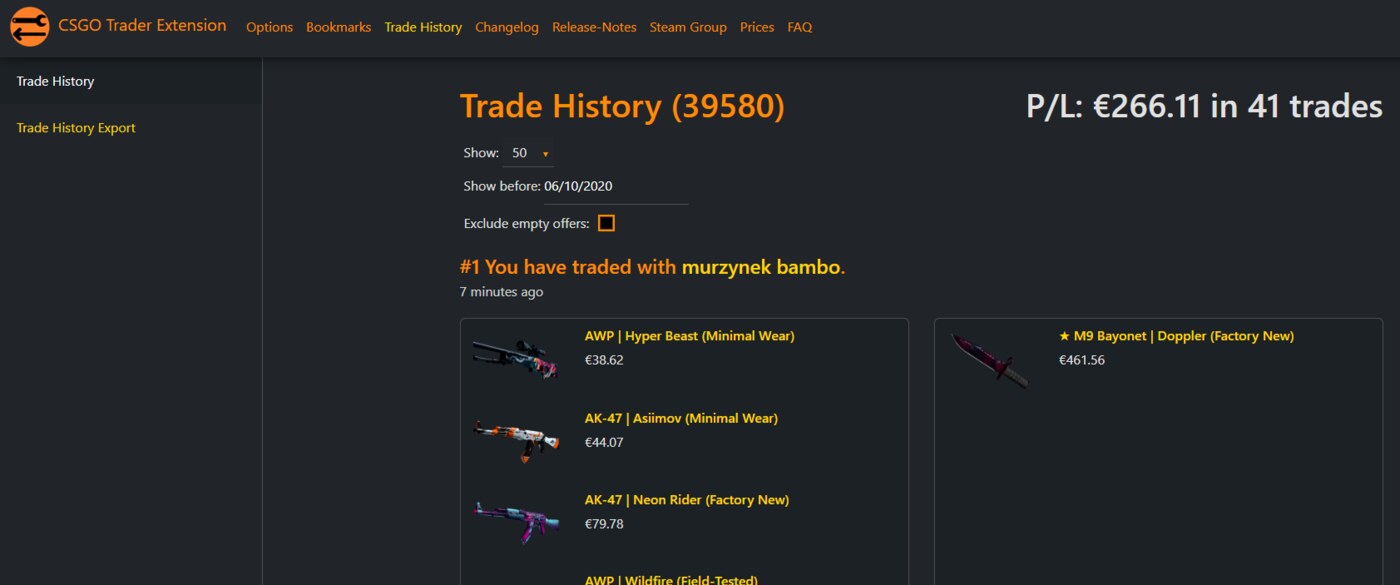
Everyone starts with the informal system: marketplace history pages, a folder of screenshots, a rough number in their head. It fails in predictable ways. Marketplace history is scattered across venues, formatted differently on each, denominated in different currencies, and lives on servers you don't control. Screenshots capture prices but not exchange rates or fees. And memory is actively hostile — it rounds your bad fills down and your good ones up, which is precisely the direction that leads to overconfident sizing.
The spreadsheet is the honorable middle stage — most serious hobbyists pass through the spreadsheet phase — but hand-maintained records rot the first week you're busy, and a ledger with holes in it answers no question with confidence. The property you're really buying with automation isn't the writing, it's the never forgetting to write. A bot that records every purchase in the same transaction as making it produces a complete ledger as a side effect of existing.
What belongs in each line
If you build your own, the minimum viable record per purchase:
- Timestamp — with timezone; "daily" runs drift across midnight more often than you'd think.
- Exact item name — exact enough to validate against live markets; see the "Gamma 3 Case" problem for why sloppy names are a real hazard.
- Quantity and unit price — as charged, not as listed pre-fee.
- Original currency and conversion rate — a euro price recorded as dollars without the rate is a lie of omission that compounds.
- Marketplace — cost basis per venue reveals routing quality over time.
- Plan or budget line — so multi-plan setups can be audited independently.
Everything else — daily summaries, performance emails, per-case position sizes — can be derived from these fields. That's the elegance of it: one boring file, written honestly, and reporting becomes arithmetic. The daily buy report is just yesterday's ledger lines, formatted for humans.
The trust argument
There's a final reason to insist on a ledger, and it applies to any tool you let near your money: a bot that keeps exact, append-only, externally-committed records is a bot whose vendor expects to be checked. Skin-tool history is littered with services that reported performance from memory, their own memory, favorably. A committed ledger inverts the trust model — you don't have to believe the tool's summary, because you can recompute it. When you evaluate any automated buyer, put "where is the ledger and can I read it raw?" next to budget caps on the list of non-negotiables.
Ledgers beat memory the way limit orders beat discipline: not because you're careless, but because you're human, and the file isn't.