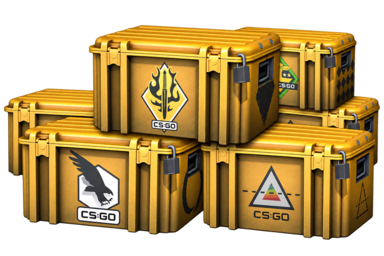
Verify Before You Buy: The 'Gamma 3 Case' Problem
A real config, a real morning: someone adds "Gamma 3 Case" to their buy list. Gamma Case exists. Gamma 2 Case exists. Gamma 3 does not — never has. What happens next depends entirely on whether the tool checks names against reality before spending money against them.
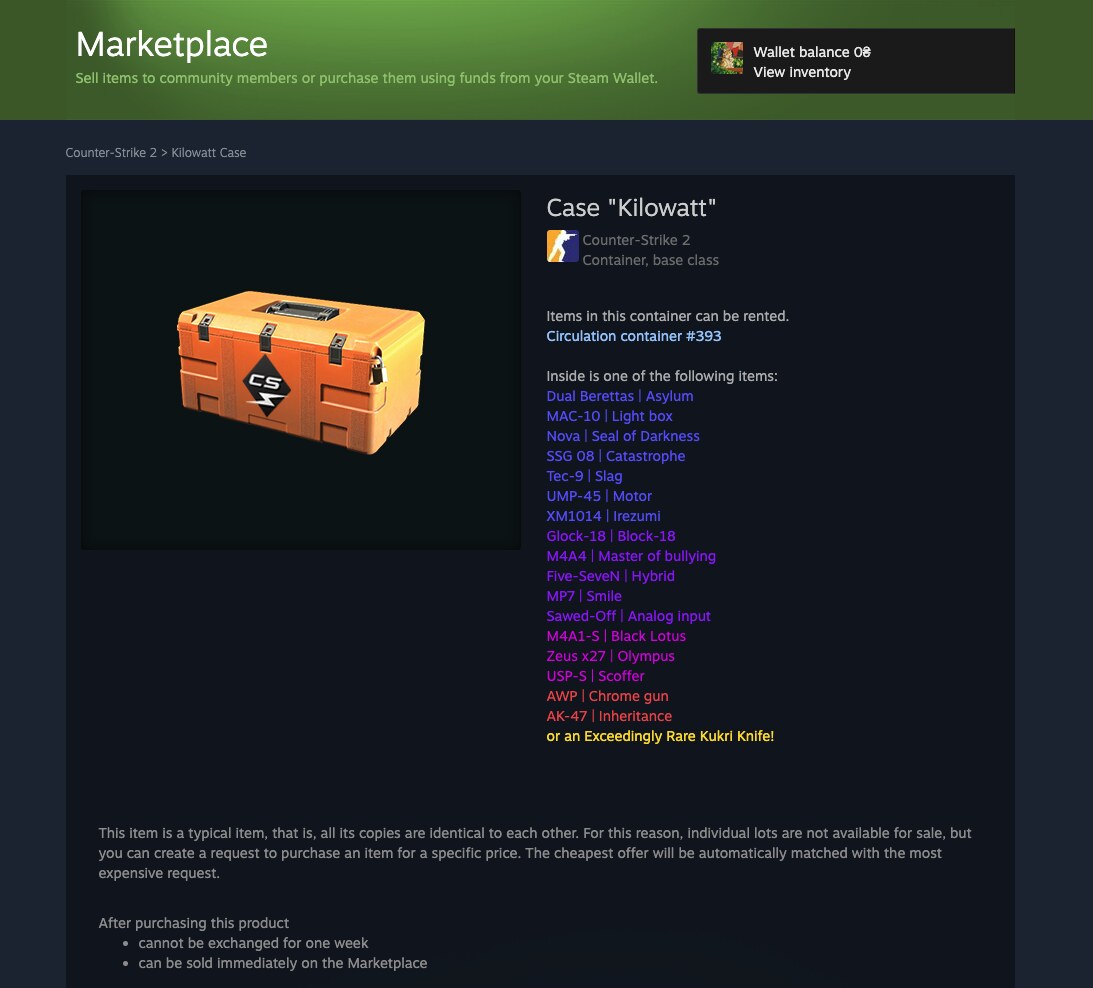
Two failure modes, both bad
Feed a nonexistent or misspelled item name to a buying system and it fails one of two ways. The loud way: the tool fuzzy-matches your typo to the nearest real listing and buys that — congratulations on your surprise position in whatever the matcher guessed. The quiet way: the tool searches, finds nothing, and silently does nothing — every day, forever, while you believe you're accumulating. The silent dead line is arguably worse. A wrong buy shows up in your inventory and gets noticed. A dead line just leaks time: weeks of a plan you think is running, budget quietly unspent or absorbed by the allocator into your other lines, and a hole in your stack you discover months later.
The "Gamma 3 Case" above isn't hypothetical — it's a real mistyped line from cs2stack's development history, caught at config-validation time because the name matched nothing on any connected marketplace. One rejected config beat both failure modes at once. That's the whole argument of this post, compressed: names must be validated against live markets before the first dollar moves, not discovered wrong afterward.
Why CS2 names are a minefield
CS2 item naming looks systematic and is actually a museum of exceptions. Sequels are inconsistent: there's a Gamma Case and a Gamma 2 Case, a Prisma Case and a Prisma 2 Case — but no Chroma 4, no Gamma 3, and no rule telling you which families continued. Near-misses abound: "CS:GO Weapon Case" versus "CS:GO Weapon Case 2" versus "CS:GO Weapon Case 3" are three different items with three very different prices and supply histories. Skins add wear brackets, StatTrak prefixes, and souvenir variants, where one missing token — "AK-47 | Redline (Field-Tested)" versus "(Minimal Wear)" — changes the price several-fold. A human skimming a config sees "close enough." A marketplace API sees a different item or no item at all.
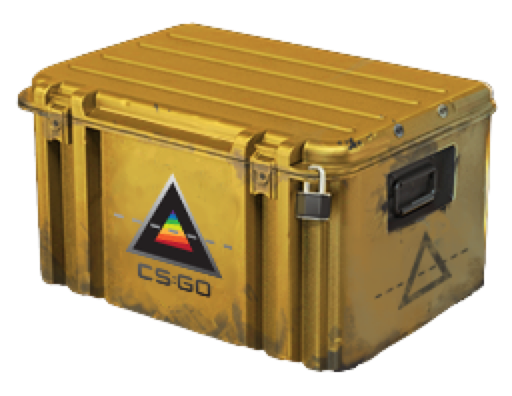
And unlike a stock ticker, there's no central symbology to save you. Every venue keys off the item's market-hash name string, exactly. Get one character wrong and you're referencing an item that, as far as the market is concerned, does not exist. This is also a corner scammers exploit — lookalike names and counterfeit-adjacent listings are a staple of the classic inventory-emptying scams — so exact-name discipline is a security habit, not just a bookkeeping one.
What good validation looks like
The fix is boring and absolute: at the moment a name enters your system — config edit, new plan line, one-off order — resolve it against live marketplace data, and refuse to proceed on failure. Concretely:
- Validate at write time, not buy time. The error should reach the human while they're editing, with full context, not surface as a 4 a.m. log line. A config with an unresolvable name should be rejected outright — fail loud, fail early.
- Exact match or explicit choice — never silent fuzzy-matching. Suggesting "did you mean Gamma 2 Case?" is helpful. Silently buying Gamma 2 because it's the nearest string is how tools convert typos into positions. The human confirms; the machine never guesses with money. This is rule one of things a buying bot must never do.
- Validate against every venue you'll route to. An item can be listed on one marketplace and absent or differently keyed on another. A multi-venue buyer that only checks one source has only half-validated — cross-market naming quirks are cousins of the price-lag gaps between venues.
- Re-verify in rehearsal. A dry run — real prices, fake money — is the cheapest possible place to notice that a line never fills. If a plan line produces zero intended buys in preview, that's a name problem until proven otherwise.
None of this is clever engineering. It's a lookup and a refusal. What makes it rare is that it only pays off on the days someone made a mistake — which is to say, it's guardrail engineering, the kind of feature that looks unnecessary right up until it's the only thing that mattered.
The manual version of the same rule
No bot? The discipline still applies, just by hand. Before adding any item to your buying routine: search the exact name on your venue, open the actual listing, confirm the item image and full name string match your intent (wear, StatTrak, variant), and copy the name from the listing into your notes rather than typing it from memory. Thirty seconds, once per item. The people who skip it are the same people who later ask why their "Weapon Case" position is worth a tenth of what the chart they were looking at implied — they'd been reading Case 1 prices and buying Case 3. Your purchase records should carry the exact resolved name too, so every later question ("what did I actually buy in March?") has an unambiguous answer.

Small feature, load-bearing
Name validation never shows up in a feature-comparison table, and it will never be the reason anyone gets excited about a tool. But automation's entire promise is that the plan you wrote is the plan that executes — and that promise is only as good as the mapping between your words and the market's items. Validate the words first. Everything downstream — budget caps, price ceilings, venue routing, reports — assumes the name was right.