
Cross-Market Price Lag: Where Snipes Come From
Pull up the same case on Steam, DMarket, and SkinBaron at the same minute and you'll usually see three different prices. That's not a glitch. It's three separate order books, two currencies, and wildly different fee structures all pricing one item — and the gaps between them are where every "snipe" you've ever heard about actually comes from.
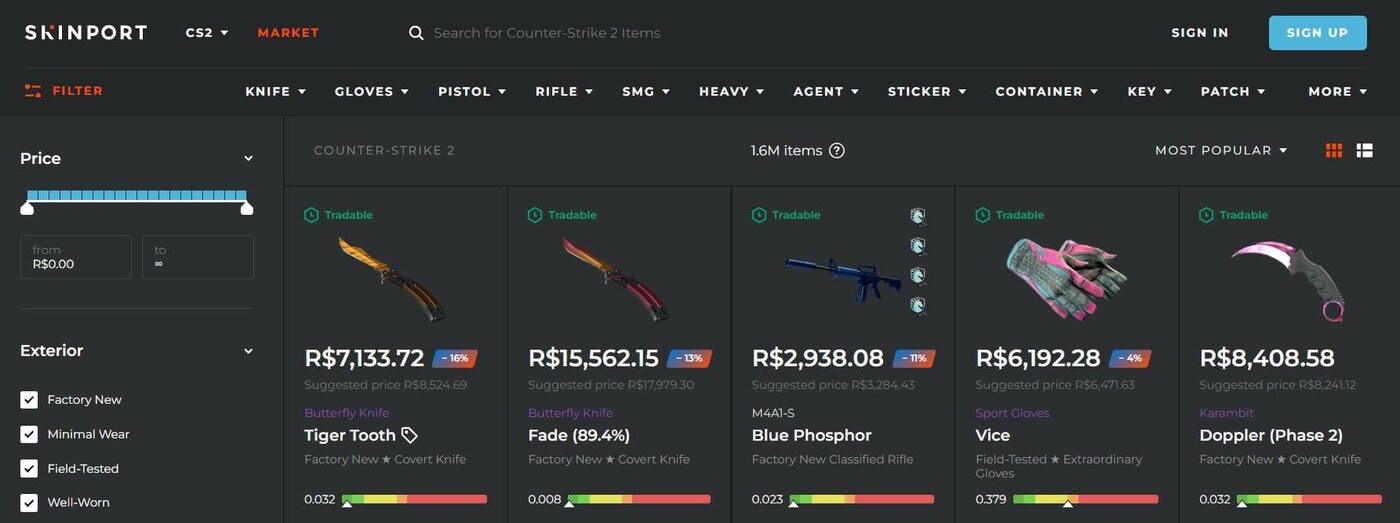
One item, several markets, no arbitrageur of last resort
In traditional finance, if the same stock trades at two prices on two exchanges, professional arbitrage desks close the gap in milliseconds. The CS2 skin economy has no such desk. Each marketplace is its own island: its own sellers, its own buyers, its own fee schedule, its own payout rails. Nothing forces the islands to agree, so most of the time they don't — a reality we map venue by venue in our marketplace comparison.
Three forces keep the prices apart, and each one is worth understanding because each one creates a different kind of buying opportunity.
Force one: currency lag
SkinBaron is a German marketplace that lists in euros. DMarket and Steam think in dollars. When the EUR/USD rate moves — and it moves every day — every euro listing changes its dollar price without a single seller touching anything. Sellers on EUR venues tend to reprice on human schedules: evenings, weekends, whenever they check. In between, a listing that was fair yesterday can be measurably cheap or expensive in dollar terms today.
This sounds small, and per item it usually is. But a buyer making daily purchases crosses this gap hundreds of times a year, and the difference compounds. It's why FX handling is a first-class feature in any serious buying setup, not an afterthought — and why converting EUR listings at a fresh daily rate, rather than a stale hard-coded one, is a fairness issue with real money attached.
Force two: fee distortion
Sellers don't price items; they price their net proceeds. Steam takes roughly 13–15% of every sale, and the money stays trapped in Steam wallet balance that can never become cash. Cash marketplaces typically charge sellers somewhere around 2–12% depending on the venue, and pay out real money. A seller who wants $10 in hand must list higher on the venue that takes a bigger cut — so identical items sit at structurally different sticker prices, permanently.
This is the gap behind the Steam-versus-cash question: the "cheap" venue for buyers is often the one where sellers accept less because they're getting real money out. The distortion never fully closes because the fees never change quickly.
Force three: depth
A liquid case might have thousands of listings on one venue and a few dozen on another. Thin order books lag. When news hits — a patch note, a trade-up change, a new case announcement — the deep market reprices within minutes because there are enough active sellers watching. The thin market reprices when its sellers wake up. The October 2025 trade-up update, which let five Covert skins be traded up to a knife or glove, repriced Covert-heavy cases fast on the big venues; smaller books took longer to catch up, and the buyers who noticed collected the difference.
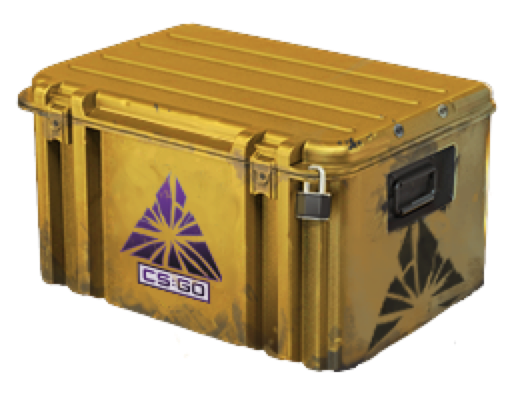
High-supply cases like the Fracture Case are the classic laboratory for this: listed everywhere, traded constantly, and still routinely showing venue-to-venue spreads that per-item trackers put in the single-digit percent range on ordinary days — wider around updates.
So where do snipes come from?
A "snipe" — grabbing a listing priced below the going rate — is just one of these three forces caught in the act. Almost every underpriced listing traces back to a stale euro price, a seller netting against different fees, or a thin book that hasn't absorbed news yet. Occasionally it's a genuine mistake, a mispriced float or a fat-fingered decimal, which is the glamorous version sniping guides are written about. But mistakes are rare and contested; structural lag is constant and mostly ignored.
That's the important asymmetry. Hunting rare mispricings is a competition against people with faster tools than you — we compare the two approaches honestly in sniping vs DCA. Harvesting structural lag is not a competition at all. Nobody else cares whether you paid the DMarket price or the SkinBaron price for your daily case; the discount is sitting there for whoever bothers to check both.
The boring, reliable version of the snipe
Checking both is exactly the kind of chore humans skip. Two tabs, a currency conversion, every single day, for a discount that's often cents per item — nobody sustains that manually. Software sustains it trivially. cs2stack prices every item on both DMarket and SkinBaron before each purchase, converts the EUR side at a daily rate, and buys whichever is cheaper after conversion. No speed, no racing, no sniping in the milliseconds sense — just refusing to ever pay the higher of two known prices. Over hundreds of buys, that's the same edge sniping chases, collected without the screen time. We call it buy-side arbitrage, and it's the closest thing to a free lunch a retail-sized buyer actually gets.
If you want to go deeper — including the sell-side version, where the fee math usually eats the profit — the multi-marketplace arbitrage field guide covers the full landscape. The short version: crossing venues to sell is a fee gauntlet; crossing venues to buy is just shopping properly.
What this means for a stacker
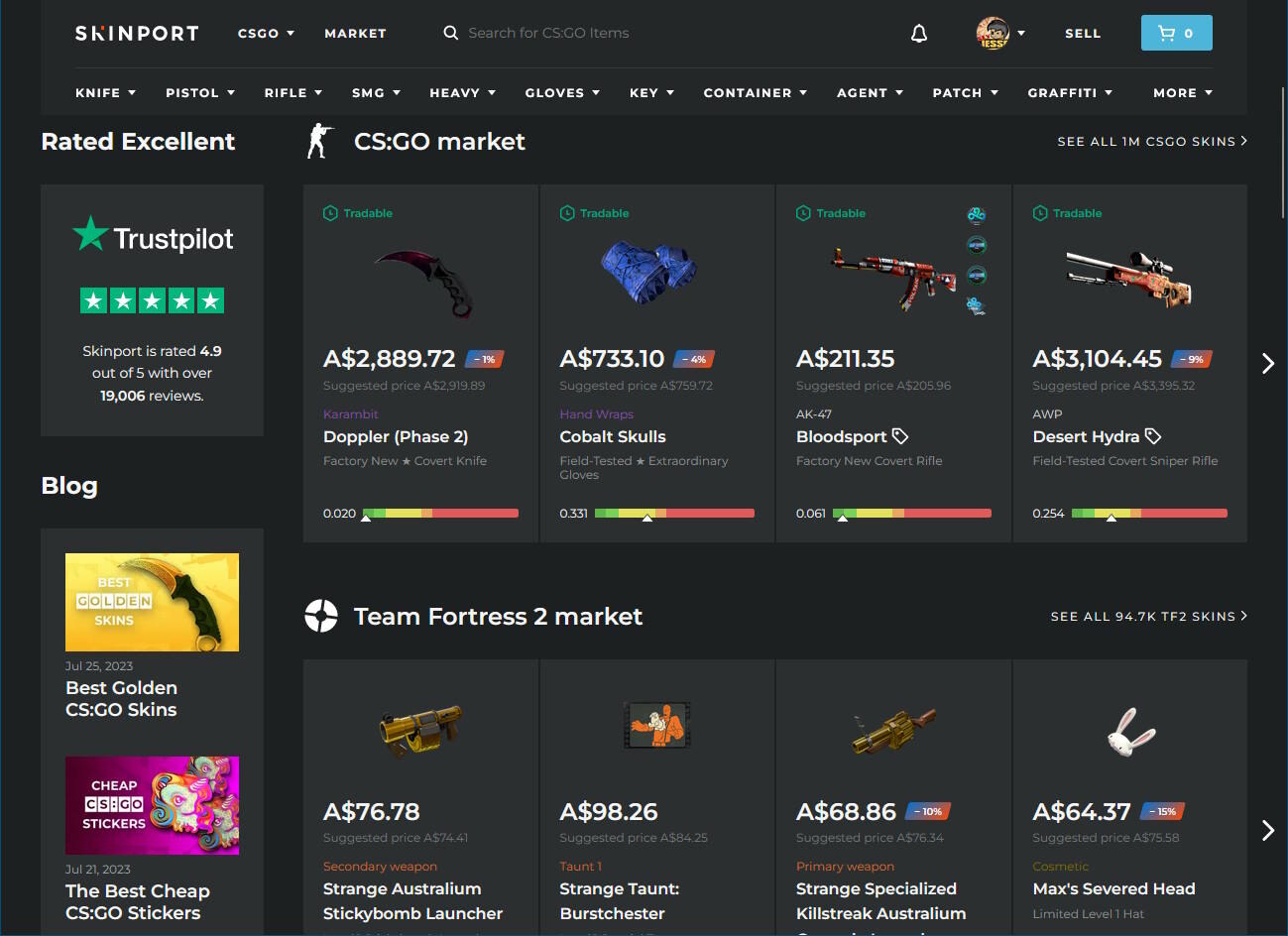
You don't need to become an arbitrageur. You need three habits. Always price at least two venues before buying, in one currency. Expect the gap to widen around updates and events, which is when checking matters most. And treat venue choice as part of your cost basis: paying 4% less at entry, every time, is an edge no market crash can take away from you, because it's already banked the moment you buy.