
EUR Marketplaces, USD Brains: FX in Skin Pricing
Here's a bug that lives in most skin buyers' heads: they compare a euro price to a dollar price using an exchange rate they memorized months ago. The market moved, the rate moved, and their "cheapest venue" answer is now quietly wrong — a few percent at a time, on every buy. Currency is the least glamorous variable in skin investing, which is exactly why it keeps costing people money.
Two currencies, one comparison
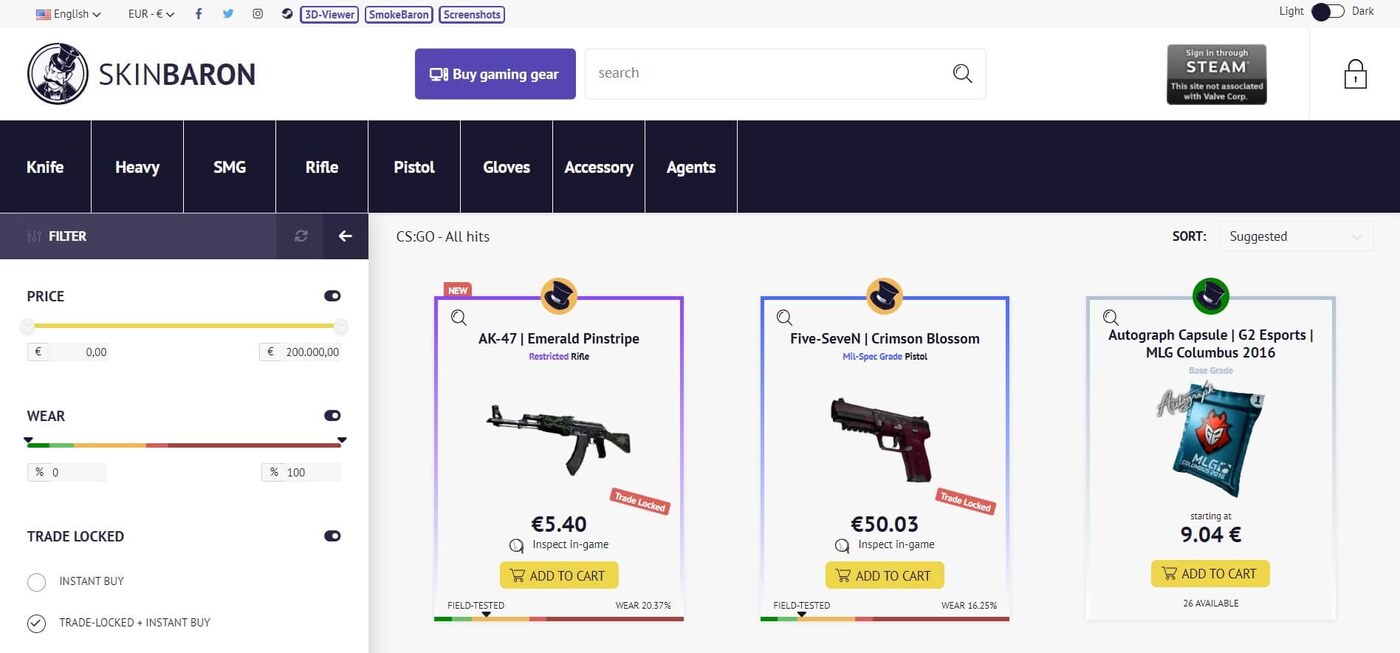
The CS2 marketplace landscape is split by currency as much as by platform. SkinBaron, a German marketplace, lists in euros. DMarket and most trackers think in dollars. Steam shows you whatever your wallet region dictates. So the most basic question in buy-side routing — "which venue is cheaper for this case, right now?" — is secretly a currency conversion problem. €1.79 versus $1.99: which is the better price? You literally cannot answer without today's EUR/USD rate, and "today's" is the operative word.
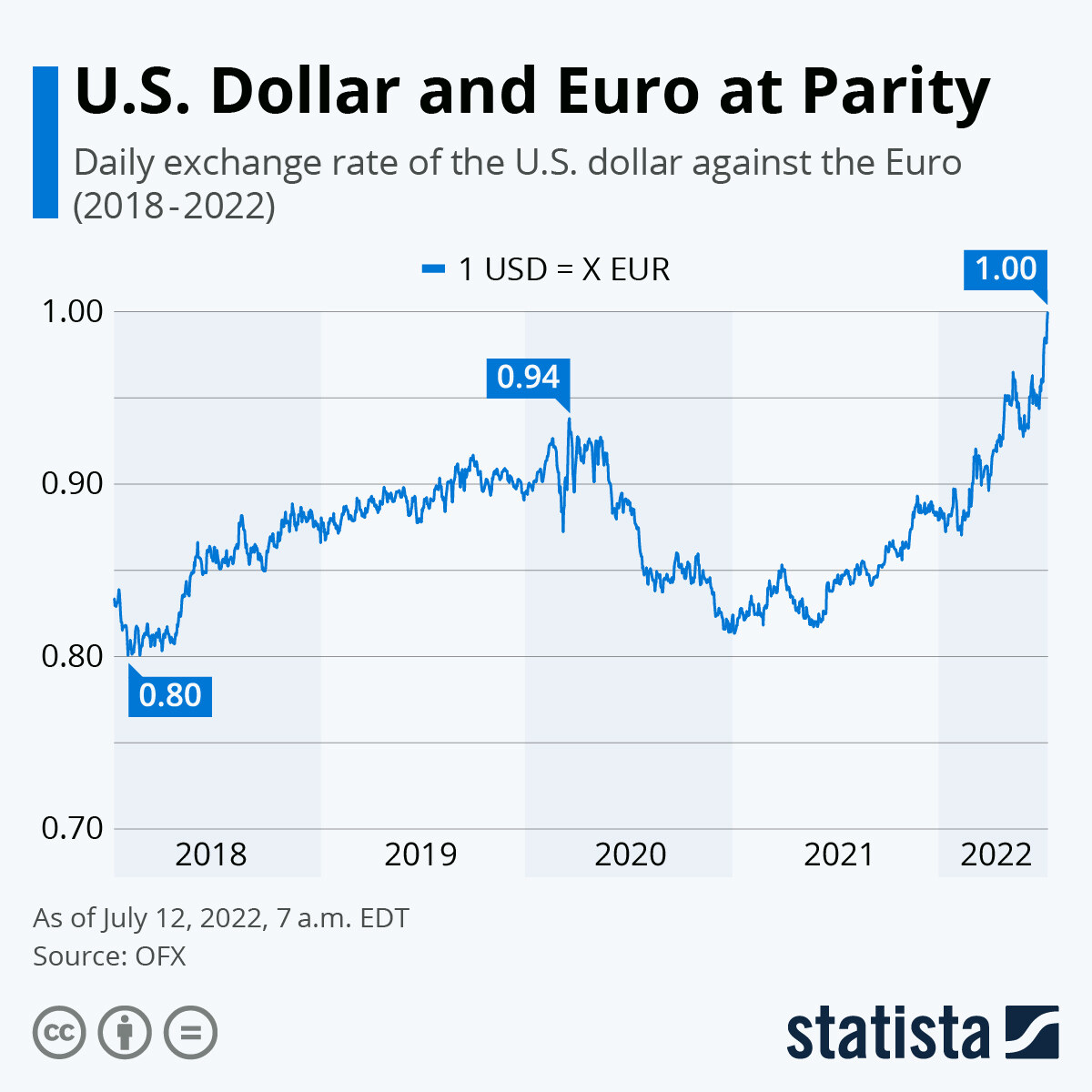
Exchange rates move daily, sometimes meaningfully within a quarter. A person who anchored on a round mental rate — "a euro is about a dollar ten" — carries that anchor for months while the real rate drifts. Every routing decision made with the stale rate inherits its error. If the drift is 3% and the true cross-venue gap is 2%, the stale-rate buyer routes to the wrong venue while feeling rigorous about it.
How FX flips the venue ranking
Work one hedged, illustrative example — invented numbers, real mechanism. Suppose a case sits at €1.80 on SkinBaron and $2.00 on DMarket. At a rate of $1.08 per euro, the SkinBaron listing costs $1.94 — SkinBaron wins. Let the euro strengthen to $1.13 with both listed prices unchanged, and that same €1.80 now costs $2.03 — DMarket wins. Nothing happened in the skin market. No seller repriced, no demand shifted. The cheapest venue changed anyway, purely because the currency ground moved under the listings.
This is why venue loyalty is expensive. "SkinBaron is usually cheaper for me" can be a true observation from March that silently expires by June. European sellers don't reprice their euro listings every time the dollar moves — sticky listings plus moving FX is one of the mechanisms behind the cross-market price lags that gap-watchers live on. The ranking isn't a fact about venues; it's a fact about venues at a rate, and the rate has no loyalty to your habits.
Your ledger has an opinion too
FX doesn't just affect which venue wins — it decides what your records mean. A buyer who logs "€1.80" in one row and "$1.99" in the next has a ledger that can't be summed. To know your true cost basis, every purchase needs to be converted into one base currency at the rate that applied on the purchase date — not at whatever the rate is when you eventually total things up. Converting historical buys at today's rate silently rewrites your history: your March purchases didn't get cheaper because the euro fell in August. The same discipline matters at tax time, when gains generally have to be stated in your home currency using defensible per-transaction rates, not a single hand-wavy annual average.
What correct handling looks like
The fix is mechanical, which is good news — mechanical problems have software solutions. A currency-honest buying process does four things:
- Fetch a fresh rate daily. Not weekly, not "when I remember." Daily is the cadence at which the comparison stays honest for retail-sized decisions, without pretending minute-level precision matters for a two-dollar case.
- Convert at comparison time. Every cross-venue comparison happens in one currency, using that day's rate — so the "cheapest venue" answer is real, not an artifact. This is precisely how cs2stack referees its DMarket vs SkinBaron auction: EUR asks are converted at a daily rate before the two prices ever meet.
- Record the rate used. Each ledger row stores the native price, the converted price, and the rate applied — so any fill can be audited later. That's part of what makes an append-only purchase ledger more trustworthy than memory: the FX assumption is written down next to the money.
- Apply price caps after conversion. A max-price line of $2.10 must be enforced against the converted euro price too, or a strengthening euro can walk you past your own ceiling venue-by-venue. Caps that ignore currency are caps with a hole in them — the broader argument is in converting EUR listings fairly.
The honest size of this edge
Keep the stakes proportionate: for a $20/day buyer, currency-honest routing is worth cents per day — a low-single-digit percentage improvement on some fraction of buys where the rate drift would have flipped the decision. Nobody gets rich on it. But it's a pure error-correction: there is no scenario where using the correct rate makes you worse off, and the cost of getting it right is zero once a machine does it. In a market where genuine edges demand speed, capital, or luck, "stop comparing currencies wrong" is free money at nickel scale, forever — and it compounds quietly into your average entry price, which, as the entry-smoothing post argues, is the only number you fully control anyway. Small detail, real money. Let the software carry it.