
Buy-Side Arbitrage: The Free Lunch Retail Actually Gets
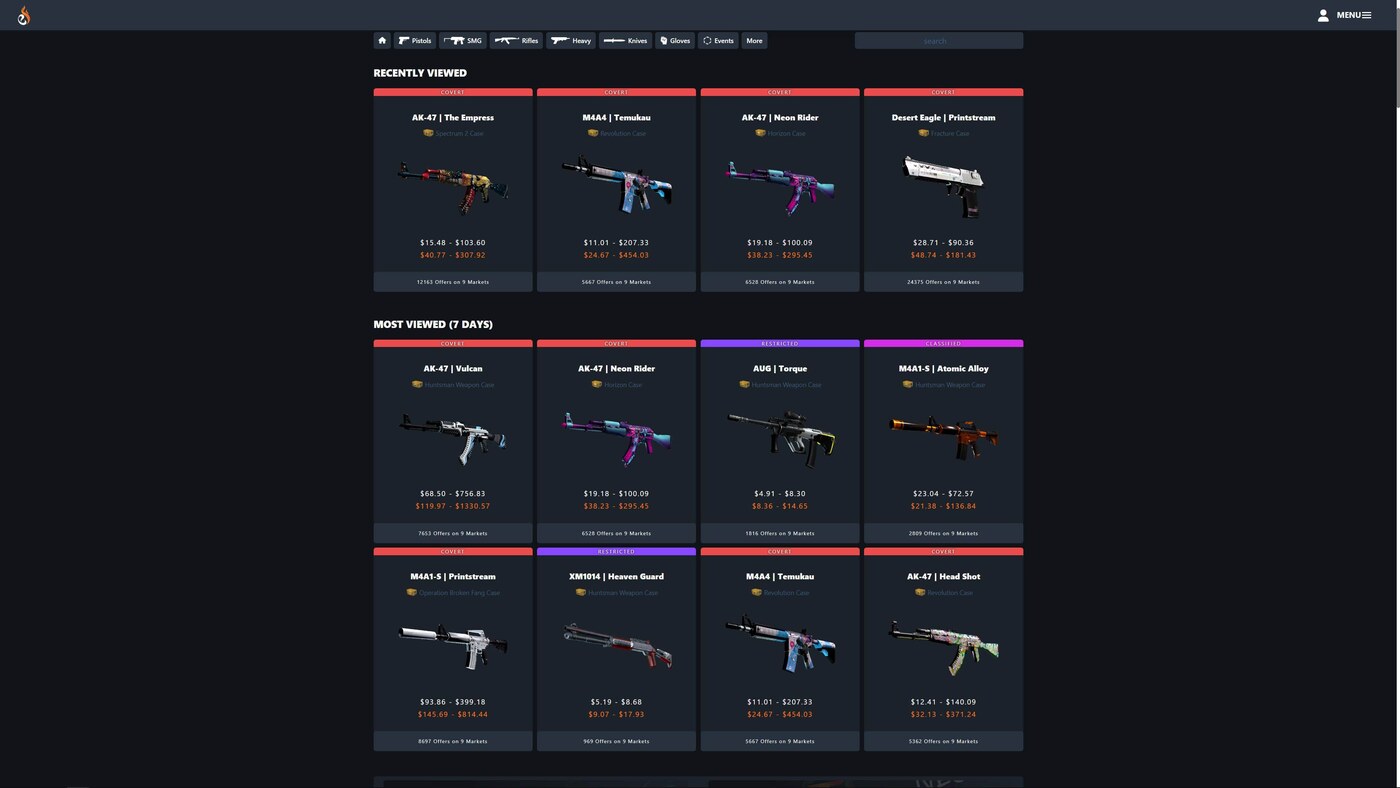
Real arbitrage — buy cheap here, sell dear there — is mostly a professionals' game once fees and trade locks take their cut. But there's a degenerate case of it that requires no selling, no speed, and no skill: if you're going to buy an item anyway, buy it on whichever venue is cheapest right now. That's the whole strategy. It's also worth real money.
The insight: accumulation deletes the hard leg
Classic two-leg arbitrage fails for retail because of the second leg. Selling pays a fee, waits out trade locks, and races the gap before it closes — the full obstacle course is mapped in the multi-marketplace field guide. But an accumulator — someone running a long-term buying plan — has no second leg. The sale, if it ever happens, is years away and independent of today's venue choice. So the question collapses to: given that this money is being spent on this case today, which venue charges least?
Answering that question correctly, every time, captures the cross-venue price gap in full. No fee on the capture, no lock risk, no race. The gap doesn't need to persist; it only needed to exist at the moment you bought. Economists say there's no free lunch — this is the exception that proves the rule, because you already paid for the meal by being a buyer. All routing does is stop you from tipping a venue for nothing.
What the edge is worth
Cross-venue gaps on liquid cases are usually small — low single-digit percentages, occasionally more when one venue's supply is momentarily thin or when an FX move re-rates euro listings before sellers adjust. Any individual gap is trivial: saving a few cents on a two-dollar case feels like nothing. The arithmetic changes when you notice it applies to every purchase, forever. A daily buyer makes hundreds of purchases a year; routing each one to the cheaper venue means the whole cost basis sits a couple of percent lower than a single-venue buyer's — permanently, on every unit. In a strategy where your average price is the whole game, a persistent discount on the average is indistinguishable from alpha. It compounds the same way fees compound for the overtrader, just with the sign flipped.
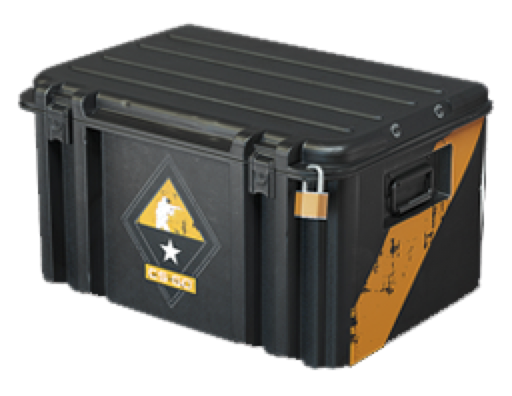
The stakes scale with ticket size. On a $0.40 filler case, venue choice is pennies. On something like a CS:GO Weapon Case — a three-digit item that this site's founder buys weekly as a standing order — a low-single-digit venue gap is real money on a single fill. Same routing logic, three orders of magnitude more reason to apply it.
Why humans are bad at this
The strategy sounds too easy to fail at, but manual routing decays fast for predictable reasons:
- The comparison isn't free. Two or three tabs, per item, per day. Attention is the scarcest resource in any manual plan, and this spends it on the least interesting decision imaginable — the time cost quietly exceeds the savings for small buyers.
- Currency clouds the answer. SkinBaron lists in euros. Comparing €1.85 against $2.02 requires today's exchange rate, not the stale one in your head — a mental rate that's a few percent old can flip which venue "looks" cheaper. Fair conversion is a small detail with real money attached.
- Habit beats math. People drift to the familiar venue with the saved payment details. Convenience is a silent premium you pay without noticing.
- Inconsistency destroys the edge. Routing correctly on 60% of buys keeps 60% of a small edge — routing has to be near-universal to matter, which is a discipline problem, not a knowledge problem.
In other words: this is the single most automatable decision in skin investing. It's deterministic (lowest net price wins), it's frequent, and there's no judgment in it. This is what cs2stack does on every scheduled buy — pull live asks from DMarket and SkinBaron, convert EUR at a daily rate, buy the cheaper one within your max-price line, and record which venue won in the ledger. The full mechanics are in how an automated buyer picks the cheapest listing, and you can trace one real fill end-to-end in anatomy of one automated purchase.
The fine print (there's always fine print)
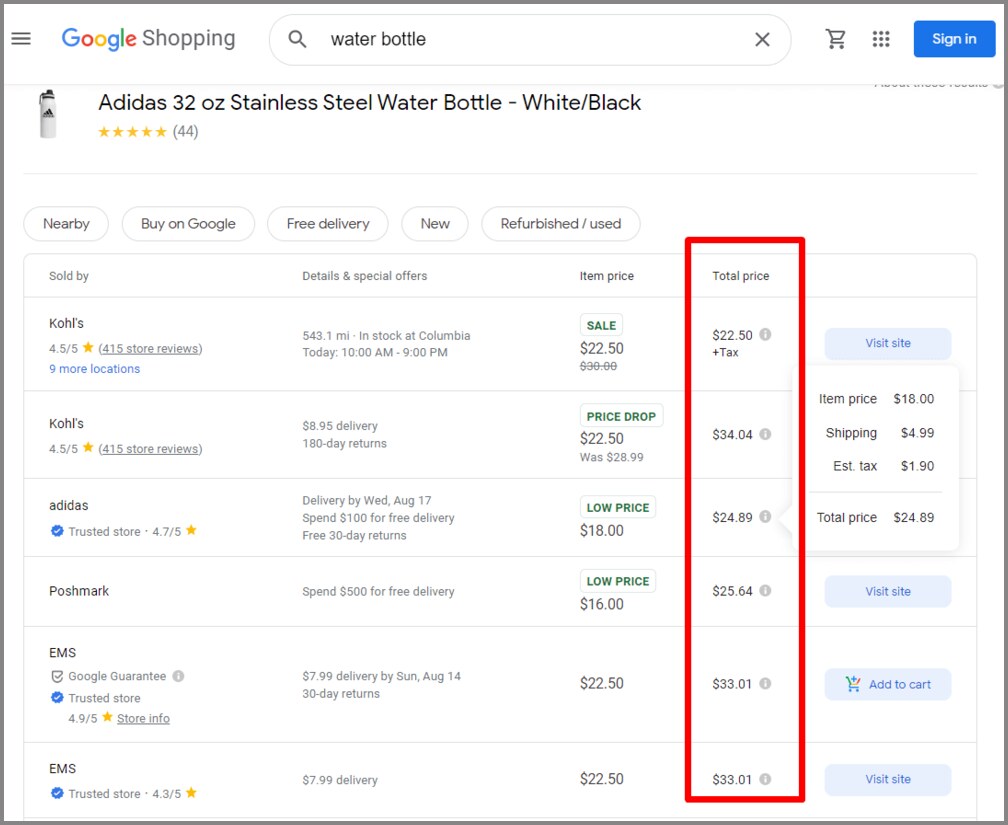
Buy-side routing is a genuine free lunch on price, but venues differ on more than price. Delivery mechanics vary — SkinBaron delivers via direct Steam trade offers, while DMarket purchases have shown multi-day locks before withdrawal — so the "cheapest" venue sometimes means waiting longer to see the item in your inventory. For a long-horizon holder that difference is cosmetic; for anyone who needs the item soon, it's a real cost worth pricing in. Venue reliability also isn't uniform, which is why spreading purchases across marketplaces doubles as mild counterparty-risk diversification — an accidental second benefit of routing. And the comparison is only as honest as its inputs: stale price feeds or lazy FX handling can route you to the wrong venue with full confidence, which is worse than not routing at all.
One last framing, because it keeps expectations honest: routing doesn't make your cases go up. It's not a return strategy — it's a cost strategy, the skin-market equivalent of refusing to pay a higher fee for the identical index fund. The market decides your gross outcome; routing just guarantees you didn't donate a slice of it at the checkout. In a hobby full of edges that require speed, capital, or luck, this is the one that only requires showing up correctly — and software shows up correctly every day.