
Sniping vs DCA: Which Actually Makes Money?
A sniper's best trade is a story he'll tell for years. A DCA buyer's best trade is indistinguishable from his worst — twenty dollars, filled, logged, forgotten. One of these strategies produces better anecdotes. The question is which one produces better averages, and the answer hinges on a variable nobody puts on the brag screenshots: frequency.
Two edges, two shapes
Strip the culture war away and the comparison is just arithmetic. A strategy's yield is edge-per-trade times number of trades, minus costs — including the cost of your time.
Sniping is a fat, rare edge. Catch a genuinely mispriced listing and you might be up 20–40% at the moment of purchase — an enormous per-trade result. But real mispricings are scarce, competition from faster bots takes the best ones (the sniping guide covers who actually wins that race), and the human versions of the strategy pay heavy costs: screen time, 3am alerts, and the tuition of "bargains" that were cheap for a reason — a bad float here, a lookalike listing there, each one a small fee paid to the market for an education you didn't order. Realized snipes for a part-timer might arrive a few times a month, and dry spells are long.
DCA — dollar-cost averaging, buying a fixed amount on a fixed schedule — is a thin, constant edge. No single buy is impressive; the value comes from what constancy does to your average: corrections lower your cost basis automatically, you're never all-in at a top, and you harvest the market's long-run drift (for cases, the supply-shrink mechanic: opened cases leave the float forever) with hundreds of entries instead of a few. Add cheapest-venue routing across marketplaces and each buy picks up a small buy-side arbitrage too. The per-buy edge is small. The frequency is every single day.
The comparison, laid flat
| Sniping | DCA | |
|---|---|---|
| Edge per trade | Large when real (rare) | Small (venue routing, entry smoothing) |
| Trade frequency | Low, unpredictable | Daily, by design |
| Time required | High (watching) or arms-race capital (bots) | Minutes to configure, then none |
| Skill required | Real — valuation, floats, patterns, speed | Item selection and patience |
| Worst failure | Buying a "bargain" that wasn't; burnout | Averaging into a thesis that's simply wrong |
| Scales with | Your attention (badly) | Your budget (linearly) |
| Emotional load | Casino | Payroll |
The rows that decide it for most people are time and scaling. A sniper's returns are capped by attention — stop watching, and the strategy stops existing. A DCA plan's returns are capped only by budget and market, because the execution is delegated to software. The hidden time cost post does this math properly; priced at any reasonable hourly rate, manual sniping's "free" edge gets expensive fast.
Which makes money?
Honestly: both can, neither is guaranteed, and the failure modes differ more than the success modes. Skilled, obsessive snipers with real valuation knowledge reportedly do extract consistent profit — sniping is a skill business, closer to being a used-car dealer than an investor, and the skill is scarce for a reason. Its common failure isn't one bad trade; it's the slow leak of mediocre "bargains," fees, and burnout — the pattern anatomized in overtrading.
DCA's returns are the market's returns, smoothed. Historically, per third-party trackers, that's been kind to multi-year case accumulators and unkind to anyone who needed results in a quarter — see what the numbers actually show, drawdowns included. Its failure mode is picking the wrong items and averaging into them relentlessly; automation executes conviction, it doesn't supply it. The bot doesn't pick winners — you do.
For a person with a job, a life, and a normal sleep schedule, the frequency argument usually settles it: a thin edge you actually collect every day beats a fat edge you're structurally too slow to collect. The best trade you'll never make doesn't compound. The boring one tomorrow morning does.
The synthesis: DCA base, snipe caps on top
The good news is the strategies compose. The combination that captures most of both:
- A DCA base: daily buys of your chosen cases at protective max prices, smoothing your entry through everything — the entry smoothing engine.
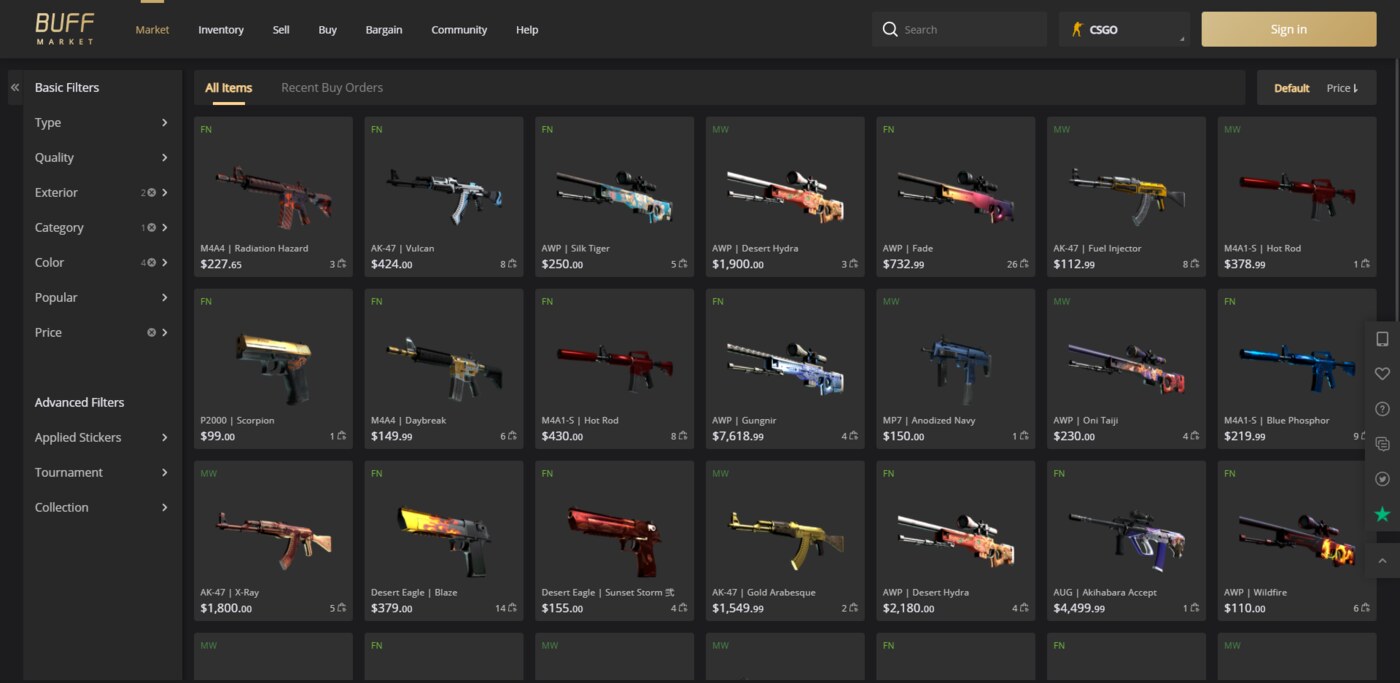
- Opportunistic caps below spot: a few standing lines priced under the typical market, which sit idle on green days and fill automatically on red ones. This is the lazy snipe from price caps as standing orders — dip-catching with no reflexes required.
One config, two postures: the base accumulates regardless of price (within reason), the low caps turn dips into automatic bargains. Both run under the same budget ceiling, both log to the same ledger, and neither needs you online at 3am. It's not as fun as the two-second click, and it produces no stories worth telling at a LAN party. But strategies aren't judged by their best day — they're judged by whether you're still executing them in month eleven, and by what the ledger says when you finally add it up. Ask the ledger, not the anecdotes, which one you'll still be running in a year.