
Standing Orders for Skins: 'Buy 1 Per Week' as Code
Banks solved recurring intent a century ago: tell the institution once, and it pays the rent every month forever. Skin markets never got that primitive — until you write it yourself. "Buy one of this case per week, at or under this price" is four words of intent and a surprisingly interesting piece of engineering.
Rates versus quantities
Most automated accumulation is expressed as a rate: dollars per day, split across a list. That's the right shape for cheap, liquid items, where dollar-cost averaging works precisely because money flows in smoothly and fills land almost daily.
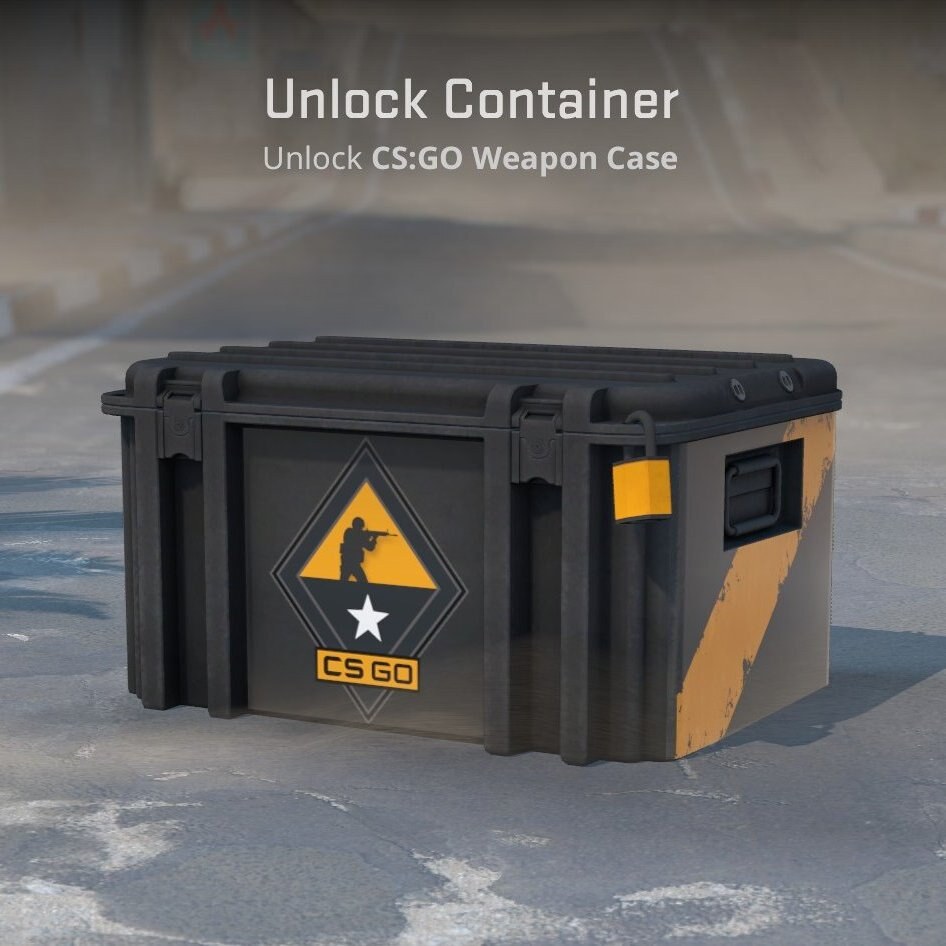
But some items break the rate model. Consider a discontinued case trading around a hundred dollars — the founder's weekly CS:GO Weapon Case buy is the live example, filling at roughly $110–120 per his public ledger. Feed it $4/day from a shared pot and you wait weeks per fill while the allocation sits hoarded; give it a bigger share and it cannibalizes every cheap case on the list. The honest description of your intent was never a dollar rate at all. It was a quantity at a cadence: one per week, price permitting. So say that:
- Rate-based: "spend $20/day across these five cases" — smoothness is the goal.
- Quantity-based: "own one more of this per week" — the unit is the position size, and the calendar is the smoothing.
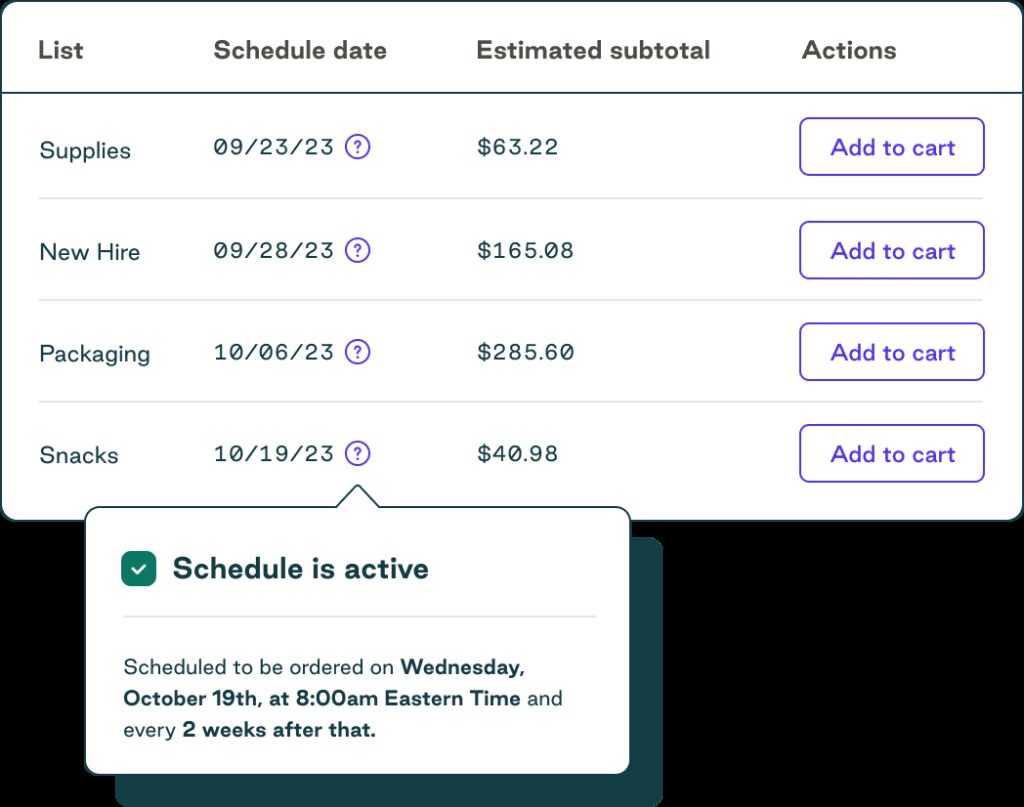
A standing order is the second form, expressed as one config line instead of a phone reminder you'll snooze.
The semantics: "make sure N happened," not "fire on Mondays"
The naive implementation triggers a purchase every Monday at 9 a.m. It's wrong in both directions. If Monday's run crashes or the wallet is short, the week silently goes unbought. If a retry fires the trigger twice, you own two. Calendar triggers encode when to act; what you actually meant is what should be true.
The correct semantics are log-counted: at every run, count this item's fills in the current period straight from the purchase ledger, compare against the target N, and buy only the shortfall. One per week, and the ledger shows one fill since Monday? Do nothing. Shows zero on Thursday because earlier runs skipped on price? Try today. Crashed mid-run and got re-run? The fill is already in the log, so the re-run is a no-op. Idempotency isn't a bonus feature here — it's the same never-buy-twice principle doing double duty as the scheduling mechanism. The clock only defines the period; the ledger decides everything.
This also makes standing orders self-healing in the way rate budgets are: the intent has the whole period to succeed, not one fragile moment. A Monday outage — the kind cloud schedulers deliver regularly — costs you nothing but a delay.
Price discipline still applies
"Buy one per week" without a ceiling is a weekly market order, and expensive discontinued cases are exactly where that's dangerous: books are thin, spreads are real, and a single bad fill on a $100+ item costs more than a month of sloppy fills on cheap ones. Every standing order needs its own max-price line, checked against the cheaper venue at fill time like any other buy.
That creates an honest tension worth deciding in advance: what happens when the whole week stays over the line? The disciplined answer is the week goes unbought — quantity targets are ambitions, ceilings are laws. And this is where the fresh-start principle matters: missed weeks should not pile up into a catch-up purchase of four cases the moment the price dips, any more than newly added items should trigger retroactive catch-up buys. Each period stands alone. You lose a little theoretical accumulation; you gain a bot whose worst week is bounded and boring.
When quantity beats budget
Use a standing order when any of these hold:
- One unit is several days of budget. The threshold is roughly where a single fill would exceed two or three days of your daily plan — beyond that, drip-funding is fiction and the unit itself is the sensible increment.
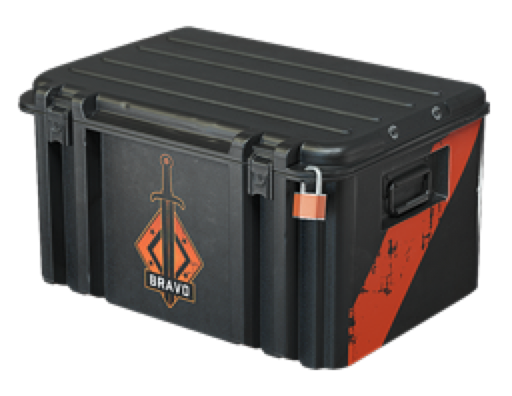
- The item is a slow anchor, not a trading position. Older discontinued cases — the blue chips of the case market, with Bravo as the canonical example — reward patient unit-by-unit accumulation and punish urgency, because your own buying moves thin books. A fixed cadence is also natural slippage control: one unit a week is a size the market barely notices.
- You'd otherwise do it manually, badly. The weekly reminder you sometimes skip, sometimes double-execute after a hyped video, sometimes fill at whatever price the evening offered — that's precisely the behavior a coded order deletes.
Stick with rate-based DCA for anything cheap and liquid — there the smoothness is the strategy — and run the two side by side as separate plans with separate money, which is what multi-plan budgets exist for.
The compounding view
One case a week is fifty-two a year, each bought at a pre-committed ceiling, each stamped into an auditable ledger, none requiring a single decision after the first one. Whether that position thrives depends on the case you chose and on market risks nobody can wave away — that part stays your call, and choosing which cases to buy deserves real thought. What the standing order contributes is narrower and more reliable: the gap between intending fifty-two and executing fifty-two drops to zero. Most manual accumulators, if they audit an honest year, find that gap was doing more damage than any price they paid.