
Passive vs Active Skin Investing: Picking Your Lane
Watch a skin portfolio fail and you'll usually find the same autopsy: it started passive, caught a whiff of a hot trade, went active with the whole balance, and never recovered its discipline. The fix isn't picking the right lane. It's building a wall between the two.
Two jobs that look like one
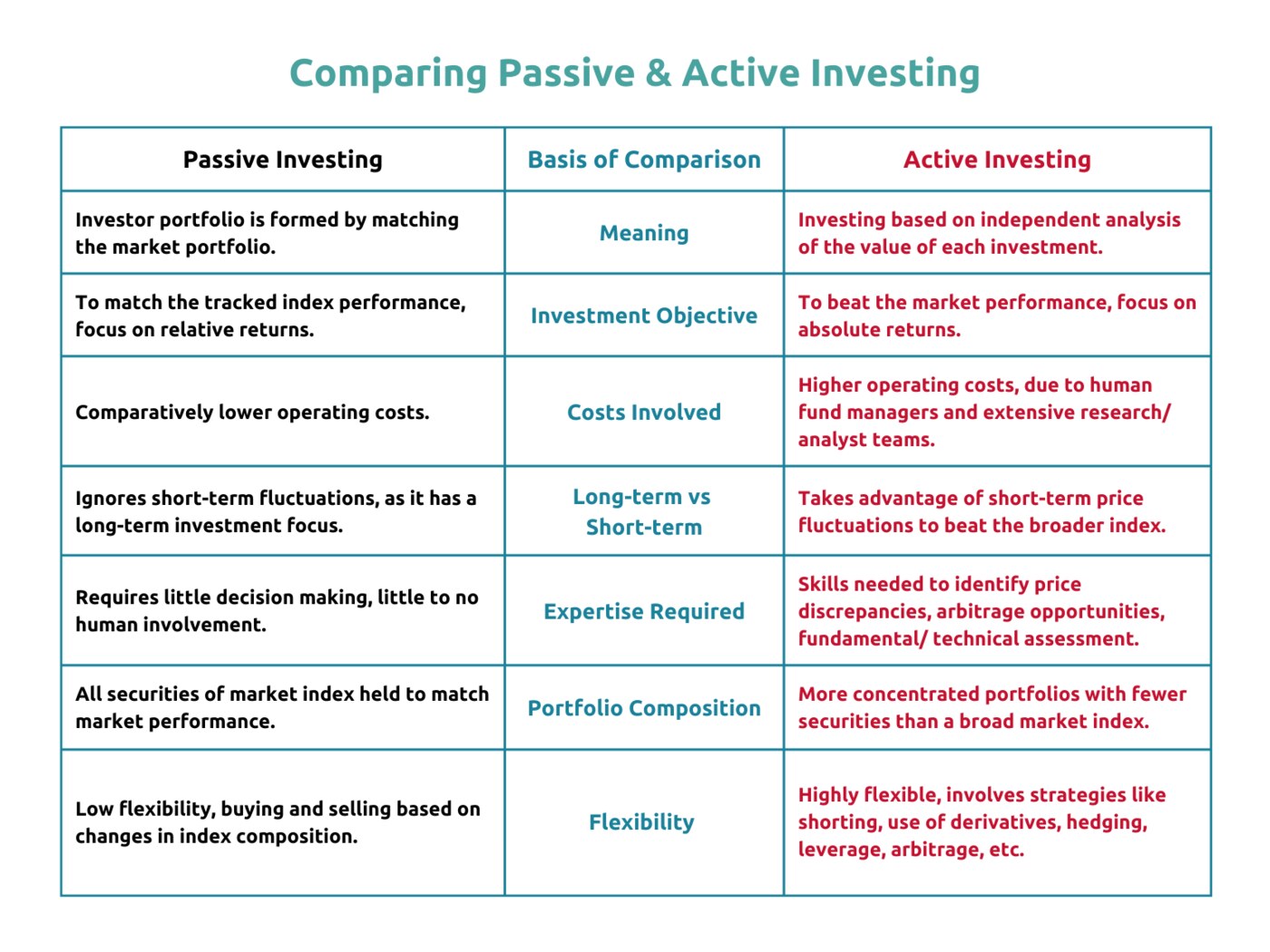
Passive skin investing means buying a fixed list of liquid items on a schedule and holding for years — case stacking being the canonical version. Its return source is structural: case supply only shrinks, so patience gets paid if the game stays healthy. Active investing means extracting money from other participants' mistakes — sniping mispriced listings, riding event catalysts, grinding trade-ups. Its return source is skill, applied repeatedly, net of fees.
These aren't two intensities of the same activity; they're different jobs with opposite virtues. Passive rewards inaction — every intervention is a chance to break the machine. Active rewards constant, sharp action — every hesitation is missed edge. Ask one brain to do both with one pool of money and each mode corrupts the other: the passive plan gets raided to fund a "can't-miss" trade, and losing trades get rebranded as "long-term holds" so they never have to be counted. Every stale active position gathering dust in an inventory was once a trade somebody refused to close.
The honest default: most people belong in the passive lane
Active edge in this market is real but expensive to earn. Snipers compete with bots that never sleep. Event traders compete with people watching the calendar full-time. Grinders trade evenings for margins. Meanwhile every active cycle pays marketplace fees — churn quietly donates edge back to the venues — and the hours are a cost nobody invoices you for. A person with a job, a family, and two spare hours a week does not have the inputs active investing requires. What they have is exactly what passive investing requires: a budget and the ability to leave things alone. There's no shame in that lane; it's the one with the better risk-adjusted odds for part-timers, as the full strategy comparison lays out.
The two-bucket structure
For people who genuinely want both, the structure that survives contact with reality is two buckets with a hard wall:
- The core (most of the money). An automated accumulation plan: fixed daily or weekly budget, a short list of liquid cases, per-item price ceilings, and no manual overrides. The point of automating isn't convenience — it's that the core keeps executing on the days your emotions would have skipped or doubled. Budget caps make it structurally impossible for enthusiasm to inflate the core's spending.
- The sleeve (a small, fixed fraction). Your active playground: snipes, event positions, contracts. Sized so that losing all of it is annoying, not damaging. When the sleeve wins big, skim profits back to the core or out to cash — the sleeve stays the same size. When it goes to zero, it does not get refilled from the core mid-cycle. That refill rule, more than any trade, decides whether the structure holds.
- The wall. Separate budgets, separate records, ideally separate balances. The core's money is never "temporarily borrowed" by the sleeve. No exceptions clause — exceptions are the whole failure mode.
Why the wall does psychological work
The two-bucket design isn't really about money management; it's about keeping score honestly. When strategies share a wallet, attribution dies — you genuinely cannot tell whether last quarter's gain came from your clever trades or from the market lifting your passive stack. The active mind then claims every win and blames every loss on "the market," and you'll keep funding a losing sleeve for years believing you're a good trader. Separate books force the question: did the sleeve, on its own, beat what the same money would have done sitting in the core? For most people the answer, honestly computed from a real cost basis, is no — and learning that cheaply, with a small sleeve, is one of the best returns the sleeve will ever pay you.
This is also where an append-only purchase ledger earns its keep. A core whose every buy is machine-recorded gives you an untouched benchmark: the sleeve either beats that line or it doesn't. No vibes, no selective memory. Sleeve records, by contrast, are usually a shoebox of screenshots — which is exactly why sleeve performance feels better than it measures.
Picking your lane in one paragraph
If you're honest about having fewer than five spare hours a week, run 100% core and skip the sleeve entirely — you lose nothing but entertainment. If the game of it genuinely pulls you, run the two buckets: automated core sized with entertainment money, active sleeve capped at a fraction you'd cheerfully lose, wall between them, honest books on both. Revisit annually. If three years of records show the sleeve lagging the core — the common outcome — fold it without grief; the experiment paid you in proof. And whichever lane you pick, remember what shares both of them: one publisher's update risk sits under every skin you own, and no amount of lane discipline diversifies it away.