
What Is Case Stacking? The CS2 Strategy Explained
No unboxing, no flipping, no chart-watching. Case stacking is the simplest strategy in the skin economy: buy sealed cases, keep buying them, and let a shrinking supply do the work. Here's how it works and why it became the default way to hold this market.
The one-sentence version
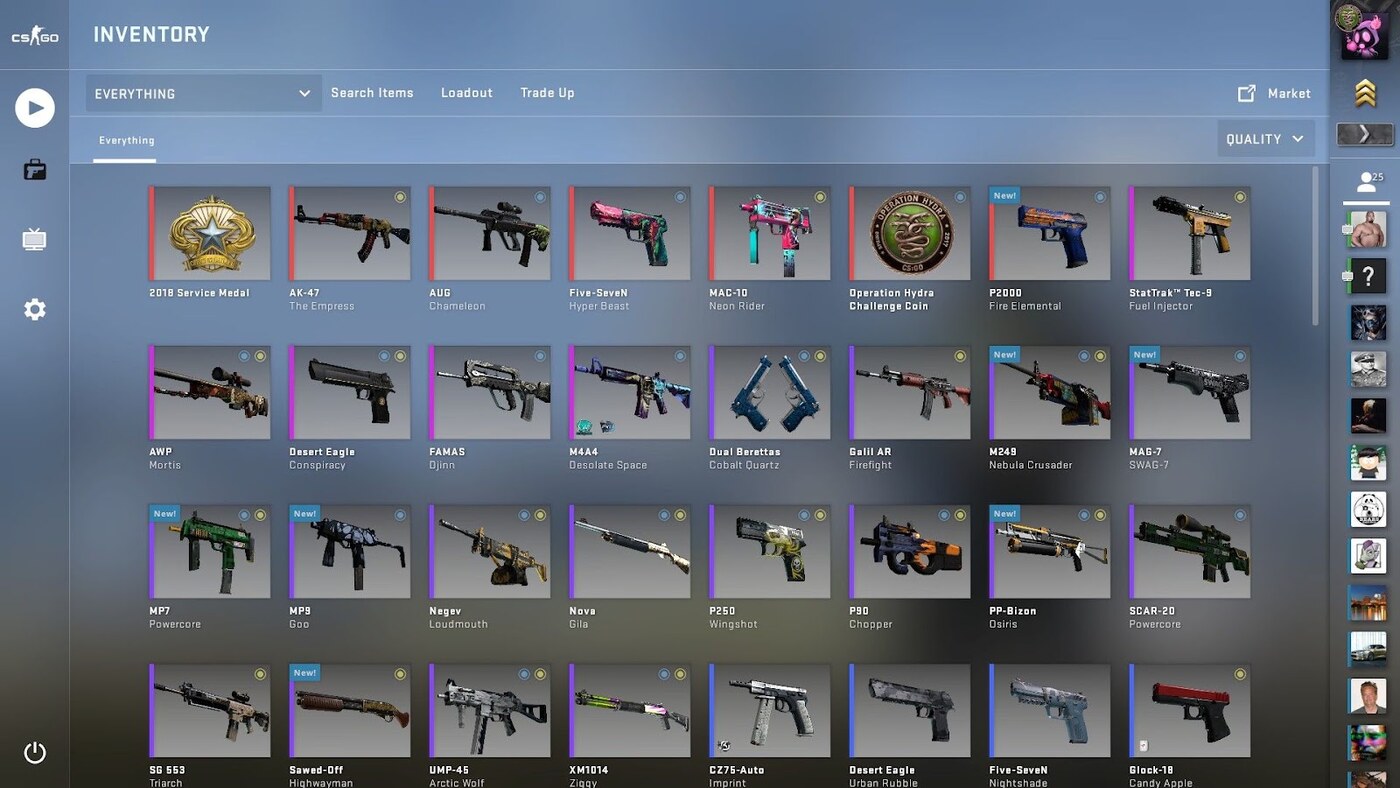
Case stacking is accumulating sealed CS2 weapon cases — not opening them, not trading them — on the thesis that their supply structurally shrinks while demand from unboxing persists. It's the skin market's version of buying the index: instead of betting on one skin's popularity, you hold the container that every unboxer eventually needs.
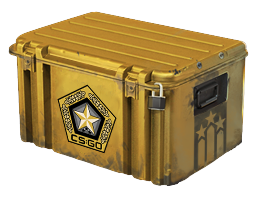
The practice predates the name. Players have hoarded cases since the CS:GO Arms Deal update in 2013, and the pattern that made those hoards valuable has repeated across generations of cases: a case drops freely while it's new, gets diluted out of the active drop pool as newer cases arrive, and then — with new supply reduced to a trickle — its price gets set by whoever still wants to open one.
Why supply shrinks (the whole thesis in one mechanic)
Every sealed case in existence faces one-way attrition. Cases leave the supply permanently every time someone opens one, and opening is the whole point of the item — it's what the knife pool is there for. Meanwhile, new supply depends on Valve's drop system, which rotates active cases and pushes older ones toward rarity. The result is a market where the float of available cases for any discontinued series only goes down.
- Demand side: unboxing is entertainment with a lottery attached. It doesn't stop in bear markets; it accelerates when a new knife or contract mechanic lands, as the October 2025 trade-up update showed when Covert skins and the cases containing them repriced within days.
- Supply side: opened cases are gone forever, and drops of older cases become rare events. The supply mechanics are the closest thing the skin economy has to a law of physics.
That asymmetry is the entire investment case. Nobody has to predict fashion, esports results, or which skin streamers will hype next month. The stack appreciates if people keep playing and keep opening — two of the safest bets in gaming, per record player counts.
What stacking looks like in practice
A working stack is boring by design. A typical setup, and the one this site's founder runs publicly, looks like this:
| Decision | Typical answer | Why |
|---|---|---|
| What to buy | 3–6 liquid cases, mixed ages | Diversifies across drop cycles; see how to choose |
| How much | A fixed daily or weekly budget | Entertainment-money sizing; volatility is real |
| How | Small buys, every day, cheapest venue | Smooths the entry price across corrections |
| When to sell | Tranches at pre-set multiples, or never | Decided in advance, not in euphoria |
The daily-small-buys part matters more than beginners expect. Case prices swing hard — patch notes have repriced the whole market overnight more than once — and buying a fixed dollar amount daily means corrections lower your average cost instead of wrecking a single big entry. That's dollar-cost averaging, and it's why stacking and DCA became almost synonymous.
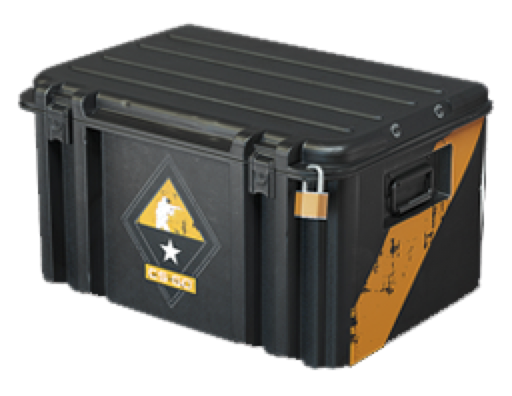
The other practical reality: doing this by hand is a chore. A stacker making daily buys manually has to check two or three marketplaces for the best price, convert euro listings, stay under a per-case price ceiling, and keep records — every day, forever. It's exactly the kind of repetitive, rule-based work that pushes people toward automation: a tool like cs2stack executes the same list every morning, routes each buy to the cheaper of DMarket and SkinBaron, refuses to pay above your caps, and emails the receipts.
What stacking is not
It's worth being precise, because the skin scene blurs these lines constantly:
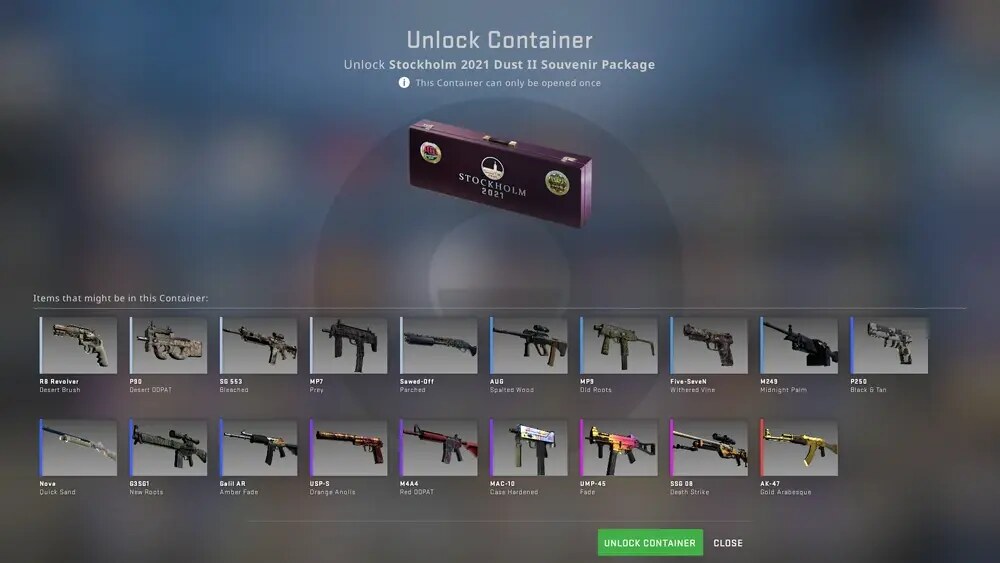
- It's not unboxing. Opening cases is negative expected value in almost all conditions — the key cost sees to that. Stackers are on the other side of that trade: they sell scarcity to future unboxers. See open or hold.
- It's not flipping. No spread-scalping, no hourly repricing. Round-trip fees of 8–15% across venues make churn expensive; stacking's edge comes from holding through them, not paying them weekly.
- It's not risk-free. The entire market runs on one company's servers, and Valve has repriced it with a patch note before. Sizing follows from that: a satellite position, funded with money that can survive a bad update.
Why it earned the "default strategy" title
Strategies survive in proportion to how little they demand. Sniping needs speed and screen time. Event plays need timing and a stomach. Trade-up grinding is a part-time job. Stacking needs a list, a budget, and the discipline to keep going — and the discipline part can be delegated to software. That's a strategy an ordinary person with a job can actually run for three years, which is the time horizon where the supply thesis has historically paid.
The rest of this series covers the practice in depth: risk management, how many cases to hold, exit strategies, and the FAQ for everything else.