
Case Stacking FAQ: The 15 Questions Everyone Asks First
The same fifteen questions arrive in every stacker's DMs, and most published answers are either hype or dismissal. Here are the honest versions, short enough to actually read, with links to the long versions where they exist.
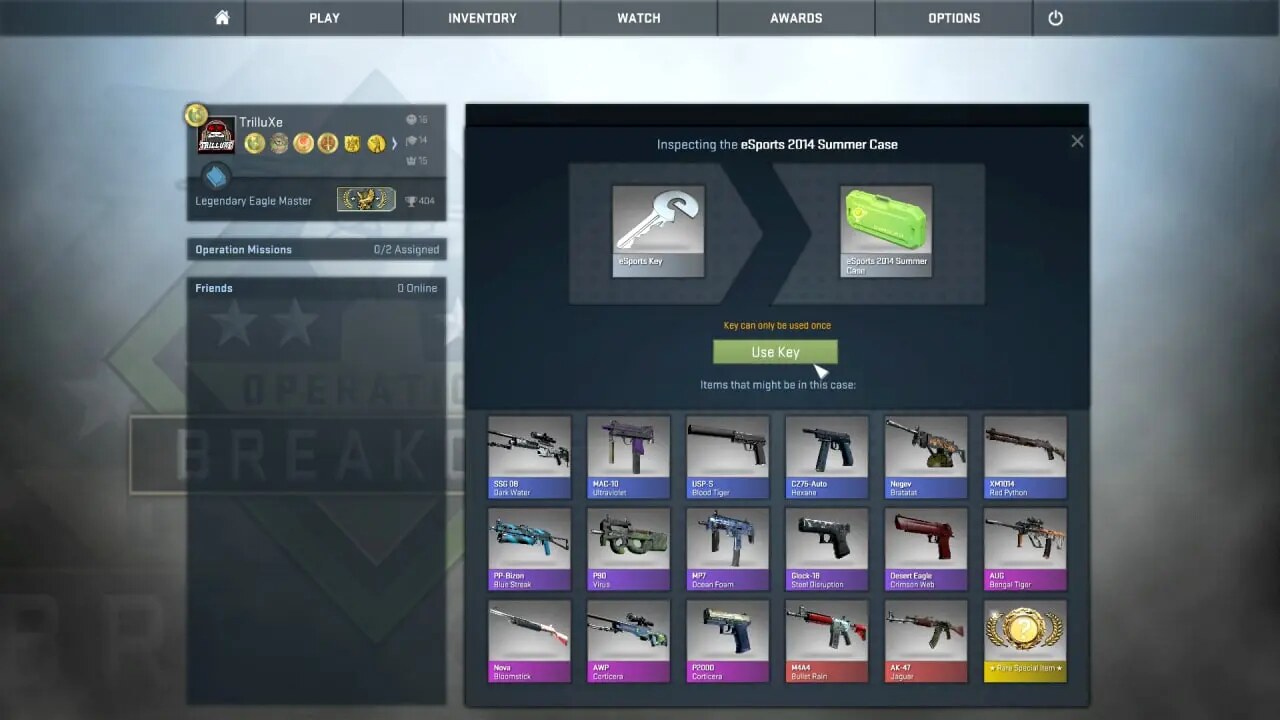
1. What is case stacking, in one sentence?
Buying sealed CS2 cases and holding them, on the thesis that opened cases are destroyed forever while unboxing demand persists — the long version is the strategy explained.
2. Is it legal?
Buying and holding virtual items on legitimate marketplaces is legal in most jurisdictions, the same way buying trading cards is. What varies by country is tax treatment of profits and rules around adjacent activities (skin gambling sites are a different, murkier world you don't need to touch). This isn't legal advice; if you're deploying serious money, ask someone licensed in your country.
3. Is it gambling?
Opening cases is gambling-shaped: you pay a fixed cost ($2.49 key plus the case) for a random outcome, with a 0.26% chance at the knife slot. Stacking is the opposite side of that table — you never open anything, and your outcome depends on market prices, not dice. It still carries real risk of loss; it just isn't a randomized bet.
4. Can Valve ban it or break it?
Valve can't really "ban holding," but it can — and does — reshape the market with updates. New trade-up rules, drop-pool changes, and case reissues have all repriced holdings overnight; the October 2025 trade-up update moved Covert prices within days. This single-publisher exposure is the strategy's biggest structural risk, covered honestly in Valve risk.
5. How much money do I need?
Less than you think. Many liquid cases trade for under a few dollars, so a small daily budget builds a real position over months. What matters more than the amount is the rule behind it: use entertainment money — cash whose total loss you could shrug off without it changing anything about your month.
6. Which cases should I buy?
Nobody can answer that for you without becoming your financial advisor, but the selection frameworks are learnable: liquidity first, then supply status, then the knife pool that anchors the case's value. Work through how to choose cases before buying anything.
7. One case or several?
Several, for most people — different case generations respond differently to updates and hype cycles, though a big Valve patch can still move everything at once. The worked example is in one case or five.
8. Should I ever open them?
If you're stacking as an investment, almost certainly not: opening converts a sealed asset into a lottery ticket with negative expected value once the key cost is counted. If you want the fun, budget for it separately and don't call it investing.

9. Where do I buy — Steam or third-party?
Compare, every time. Steam is convenient but its wallet funds can never be withdrawn as cash, and its ~13–15% seller fee shapes prices. Cash marketplaces like DMarket and SkinBaron pay out real money and are frequently cheaper on the buy side too. Note the fine print: DMarket buys have been observed with roughly 2–7 day trade locks before withdrawal, while SkinBaron delivers via direct Steam trade offers.
10. How long do I have to hold?
Think years, not weeks. The supply-shrink thesis is slow by nature — cases leave the drop pool, then attrition does its work. Anyone holding on a six-month horizon is trading, not stacking, and should be honest with themselves about which game they're playing.
11. What returns should I expect?
No honest answer includes a number. Historical case appreciation has been strong per third-party trackers, but it arrived with brutal drawdowns and no guarantee of repetition. What the record actually shows — and doesn't — is examined in case stacking returns.
12. When do I sell?
According to a plan you wrote before you needed it: tranches at pre-set multiples, a date-based schedule, or a deliberate never. The one wrong answer is "I'll feel it when it's time" — you'll feel it at exactly the wrong moments. Frameworks in exit strategies.
13. Where do the cases physically live? Do I need storage?
They sit in your Steam inventory, which has slot limits that serious stackers eventually meet; in-game storage units (cheap, bought once) extend capacity. Purchases from cash markets may also spend a few days in transit or trade lock before arriving — normal, not a scam.
14. Isn't buying every day a lot of work?
Manually, yes — checking venues, converting euro prices, respecting your own caps, and logging every buy is a daily chore that most people abandon by week three. That mechanical layer is exactly what automation is for: a tool like cs2stack runs the list every morning, buys the cheaper of DMarket and SkinBaron, and emails the receipts. Whether that's worth it is the subject of why manual buyers switch.
15. What's the biggest way people mess this up?
Not case selection — behavior. Buying big after a run-up, panic-selling into a patch, opening the stack "just once," and keeping no records of any of it. The full catalogue of self-inflicted damage, with fixes, is the 12 most expensive mistakes.
The one-paragraph summary
Case stacking is a slow, legal, genuinely risky accumulation strategy in a market one company controls. It rewards small budgets, long horizons, boring consistency, and written rules — and it punishes improvisation. If that sounds unglamorous, good: the glamorous version is how people lose money.