Event-Driven Skin Plays: Majors, Operations, and Update Risk
On October 23, 2025, Valve announced that five Covert skins could be traded up into a knife. Covert prices jumped on the announcement — not the patch, the announcement. That's an event play compressing months of normal returns into days, and it's why this strategy seduces everyone who sees it happen once. Here's the part they don't post about: the same mechanism runs in reverse.
What counts as an event
An event, for a skin trader, is any scheduled or rumored moment where new information hits the whole market at once. Three families dominate:
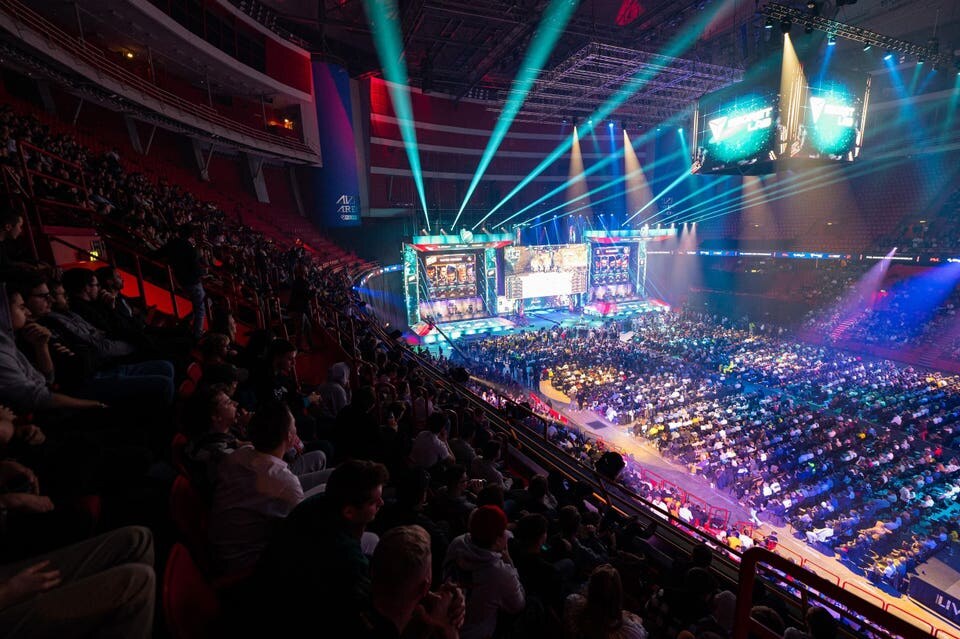
- Majors. The tournament calendar is public, and the pattern around it is semi-repeatable: attention, viewership, and sticker hype pull money into the market in a rhythm documented in how Majors move skin prices. Capsule and sticker traders live on this cycle.
- Operations and content droughts. When Valve goes quiet for months, speculation about the next operation builds — and cases from prior operations get bid as the drought lengthens. The dynamics are covered in operation droughts.
- Mechanics updates. The big one. A rule change like the 2025 knife trade-up repriced an entire rarity tier in days, and the follow-on effects crashed knife prices at the same time. The 2026 IEM Cologne-era update did it again on a smaller scale, letting souvenir skins into trade-ups and discontinuing sticker capsules in favor of a token shop. Nobody outside Valve sees these coming.
Notice the asymmetry between the families. Majors are scheduled — you know the date, and so does everyone else, which is why the easy gains get front-run months early. Updates are unscheduled — the repricing is violent precisely because nobody could position for it. Scheduled events have crowded entries; unscheduled ones have no entries at all, only holders who happened to be right.
Why this is the highest-beta lane
Beta, borrowed loosely from finance, means how hard your position moves relative to the market. Event positions are concentrated in exactly the items a catalyst touches, so they move multiples of what a boring case stack does — in both directions. The 2025 update minted quick wins for people holding cheap Coverts, and simultaneously handed brutal marks to people holding the knives those trade-ups devalued. Same patch, same day, opposite outcomes. Every event play is implicitly a bet on which side of the patch note you're standing on, and updates move this market every time.
New-case launches are events too: a case like Kilowatt arrives with maximum drop supply and maximum hype, and its early price path follows a lifecycle that event traders try to ride. Seasonal money flows — sales, holidays, calendar effects — layer smaller catalysts on top.
Sizing it like a professional
Professionals don't size event trades by conviction; they size them by survivability. The rules translate cleanly to skins:
- Sleeve, not core. Event money should be a small, capped fraction of your skin allocation — small enough that a total loss on one play changes nothing about your life or your base plan. The core stays in the boring accumulation lane (two-bucket framing).
- Defined exit before entry. Write down the catalyst, the sell condition if it fires, and the sell condition if it doesn't ("out two weeks after the Major regardless"). An event position without an expiry quietly becomes an accidental long-term hold of an item you never wanted to hold.
- Take the profit mechanically. Post-catalyst spikes decay as attention moves on. Tranche out on the way up rather than hunting the top — the discipline is the same as in taking profit in bull runs.
- Count fees as part of the bet. A round trip through marketplace fees can eat a mid-single-digit percentage of the position. An event thesis that only clears a few percent isn't a trade; it's a fee donation.
- Never play an event with money already committed to the schedule. Raiding your DCA budget for a "sure thing" catalyst is how disciplined plans die.
The honest track record of the average event trader
The visible winners are survivors of a large, silent sample. For every screenshot of a Covert bought the morning of the announcement, there's an unposted portfolio that bought the rumor that never materialized, or held the knives on the wrong side of the patch. Scheduled catalysts get arbitraged by people watching the calendar full-time; unscheduled ones are unknowable by definition. What remains for a part-timer is genuine but modest: patterns like Major cycles reward patience and early positioning, and reward it best when the position is small enough to hold calmly through being early.
The most defensible version of event-driven investing is barely a strategy at all: keep a steady accumulation base running through every catalyst, and let events matter only at the edges. A base built by daily averaging catches post-event dips automatically — when an update knocks the whole market down, the schedule keeps buying at the new lower prices with no decision required. The stack doesn't predict the patch; it just refuses to be wrecked by it. That combination — automated base, small manual event sleeve, hard caps on both — is how you get exposure to the upside of catalysts without betting the account on reading Valve's mind.