
Lump Sum vs DCA for CS2 Skins: The Math and the Sleep
In equities, the textbook answer is settled: if you have the money, invest it now, because markets rise more often than they fall. Skins are not equities. This market gets repriced by patch notes, and that changes which answer you should actually live with.
The textbook argument, honestly stated
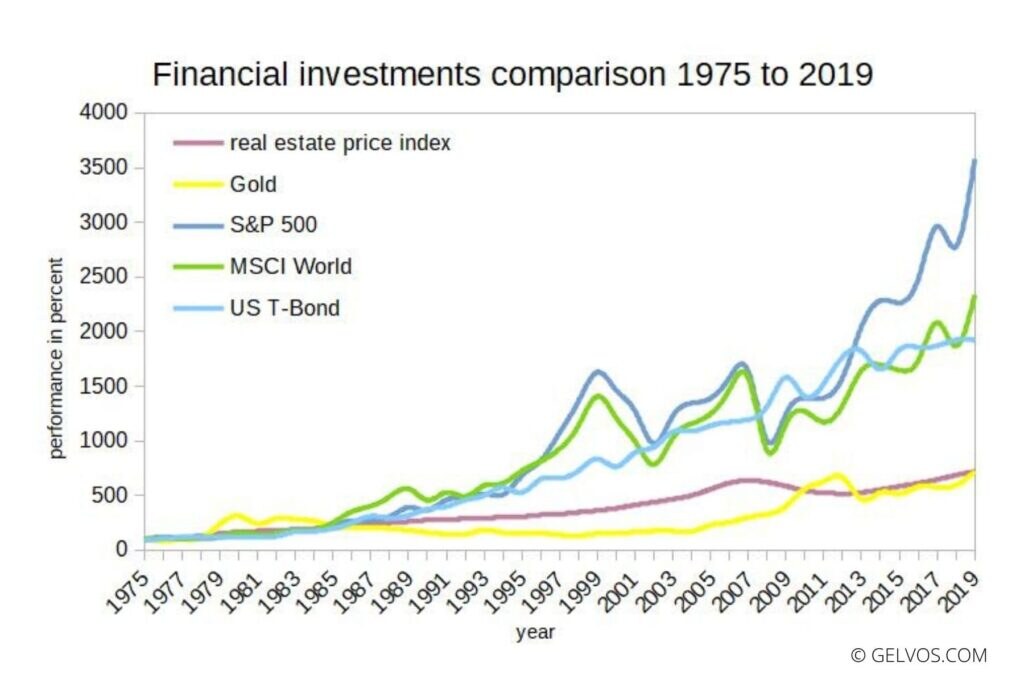
Lump sum means putting your whole budget in on day one. Dollar-cost averaging (DCA) means splitting it into equal buys over weeks or months. In stock-market studies, lump sum beats DCA most of the time for a simple reason: markets trend up, so the average day you wait is a day of missed gains. Anyone who tells you DCA "wins" in a smoothly rising market is selling you something. If CS2 cases went up in a straight line, the right move would be to buy everything today.
DCA's defenders make a different claim, and it's the correct one: DCA trades some expected return for a much better worst case. You give up a slice of the average outcome to avoid the scenario where you buy your entire position at the top of a spike, the day before everything changes.
Why skins tilt the answer harder than stocks do
The skin market has a property equities mostly don't: a single actor — Valve — can reprice the whole thing overnight, without warning, with a text file. The October 2025 trade-up update repriced Covert skins within days of the announcement. Earlier shocks were worse: the biggest crashes in this market's history were mostly caused by updates, not sentiment. Statisticians call this a fat left tail — extreme bad outcomes happen far more often than a normal bell curve would predict, and they arrive in hours, not quarters.
That matters for the lump-sum math. The stock-market studies that crown lump sum assume drawdowns are reasonably behaved. In skins, a lump-sum buyer isn't just accepting "maybe prices dip 10% next month." They're accepting "maybe one company's patch note cuts my position sharply before I've owned it a week." When the left tail is fat, the insurance DCA provides is worth more, because the thing you're insuring against is both more likely and more sudden.
There's a second, quieter reason: entry price is nearly all you control here. Cases produce no cash flow, so your return is simply the gap between your average cost and your eventual sale. Spreading buys builds a median entry instead of a lottery entry — the full argument lives in the entry-smoothing post.
The comparison, in one table
| Lump sum | DCA | |
|---|---|---|
| Expected return in a rising market | Higher — full exposure from day one | Lower — cash waits its turn |
| Worst case | Whole position bought at a pre-crash top | Only one small buy lands at the top |
| Update risk exposure | Total, immediately | Spread across many patch cycles |
| Behavior under stress | Panic-selling risk after instant drawdown | Corrections lower your average cost |
| Effort | One decision | Recurring chore — or one config file |
The behavior row deserves emphasis. A lump-sum buyer who watches a fresh position drop hard has every psychological incentive to capitulate at the bottom — and the drawdown math is unforgiving: a 50% loss needs a 100% gain just to get back to even. A DCA buyer in the same crash is mechanically buying cheaper units, which reframes the correction from a disaster into a discount. Same market, opposite emotional experience. The strategy you can hold through a crash beats the strategy with the better spreadsheet average. That's the "sleep" part of the title, and it's covered from the trenches in buying through a correction.
The hybrid most people should actually run
This isn't a binary. A sensible split for someone sitting on a lump of entertainment money looks like this:
- Lump a base position — some fraction you'd be comfortable seeing marked down 40% next week without flinching. This gets you meaningful exposure now, so you're not pure cash if the market runs.
- DCA the rest over months, in small daily or weekly buys. This is your insurance layer against the fat tail, and it's the part worth automating because it's pure repetition.
- Keep the sizing honest. All of it should be money that follows the entertainment-money rule — funds whose total loss would annoy you, not harm you.
Where you set the split depends on your read of update risk, not on precision math. Nobody can hand you the "optimal" fraction, because nobody knows when the next repricing patch lands. What the hybrid guarantees is that neither scenario — an immediate crash or an immediate melt-up — leaves you entirely wrong.
When pure lump sum is defensible
Fairness demands the other side. If your total budget is small — say, one or two cases' worth — DCA's overhead isn't worth it; just buy. If you're purchasing right after a crash has already happened, much of the tail risk has been realized and lump sum's odds improve. And if your horizon is genuinely long, five years or more, the entry noise shrinks relative to the supply-driven trend that case scarcity mechanics produce. Lump sum fails people with big budgets, short nerves, and top-of-cycle timing — which, empirically, is when most people feel the urge to buy everything at once.
The practical footnote: DCA only works if it actually happens
The dirty secret of DCA is abandonment. Manual daily buying across marketplaces is tedious, and tedium kills schedules — usually right after a scary red week, which is exactly when the schedule matters most. This is the strongest practical argument for automating the DCA sleeve: software doesn't skip Tuesday because the market looked ugly on Monday. The mechanics of a fully specified plan — fixed budget, per-item price caps, cheapest-venue routing — are laid out in the complete DCA guide.
So: lump sum wins the average, DCA wins the tail, and in a market where the tail is written by one publisher's patch notes, the tail deserves more respect than the equity textbooks give it. Split the difference deliberately, size it honestly, and automate the repetitive half.