
Budgeting for Skin Investing: The Entertainment-Money Rule
Before any question about which cases, which venues, or which schedule, there's the question that decides whether you survive your own strategy: how much? The answer for a market that one company can reprice with a patch note is not a normal investing answer. It's an entertainment answer.
The patch-note test
Here's the sizing test in one sentence: fund your skin investing only with money you could lose to a patch note without changing anything about your life. Not "money you'd prefer not to lose" — money whose total disappearance would cost you a shrug and a story.
The test is calibrated to this market's actual worst case, which is unusual among things people call investments. Skins live on one company's servers, under one company's terms of service, subject to one company's release calendar. Valve has demonstrated — repeatedly, and without malice — that a single update can reprice entire categories overnight: the 2019 key change gutted a payment rail, the October 2025 trade-up update repriced knives and Coverts within days of an announcement, and the whole genre of update-driven repricings has enough entries to rank them. Valve risk is not a tail scenario you diversify away; it's the standing condition of the asset class. Your budget has to be sized to that condition, not to the growth charts.
Entertainment money, defined precisely
"Entertainment money" sounds dismissive, but it's a precise financial category: the slice of income already earmarked for things with no expected financial return — games, subscriptions, concerts, hobbies. Sizing your skin sleeve from this slice does three jobs at once:
- It bounds the downside at 'annoying.' If the sleeve goes to zero, you lost entertainment, not security. No deposit, no emergency fund, no tuition was ever exposed. This is what makes the patch-note test passable by construction.
- It buys you behavioral immunity. The strategies that work here — DCA, multi-year holds, buying through drawdowns — all require staying calm while your position is deep red. That's only possible with money that has no other job. Rent money panics; entertainment money waits. Drawdown math punishes forced sellers hardest, and forced selling is always a budget-sizing failure wearing a market-timing costume.
- It ends the 'is this smart?' spiral. Nobody agonizes over whether a hobby was optimal. Framed as entertainment with upside, a case stack you enjoy following is already paying part of its return in interest and involvement — the appreciation, if history rhymes, is the bonus.
As a share of income, the honest range for a high-risk collectibles sleeve is small — for most people, low single-digit percent of take-home, the same neighborhood as a streaming-and-games budget. If you're reaching for a specific number: whatever you currently spend monthly on entertainment without guilt is a defensible ceiling. The founder of this site runs $20/day, publicly — sized as exactly this kind of money — and plenty of sensible stacks run at $5/day or start from a single $100. Small is not a compromise; small is the design.
Separate the wallets, literally
A budget that lives only as an intention gets renegotiated every time the market gets exciting. Make it physical:
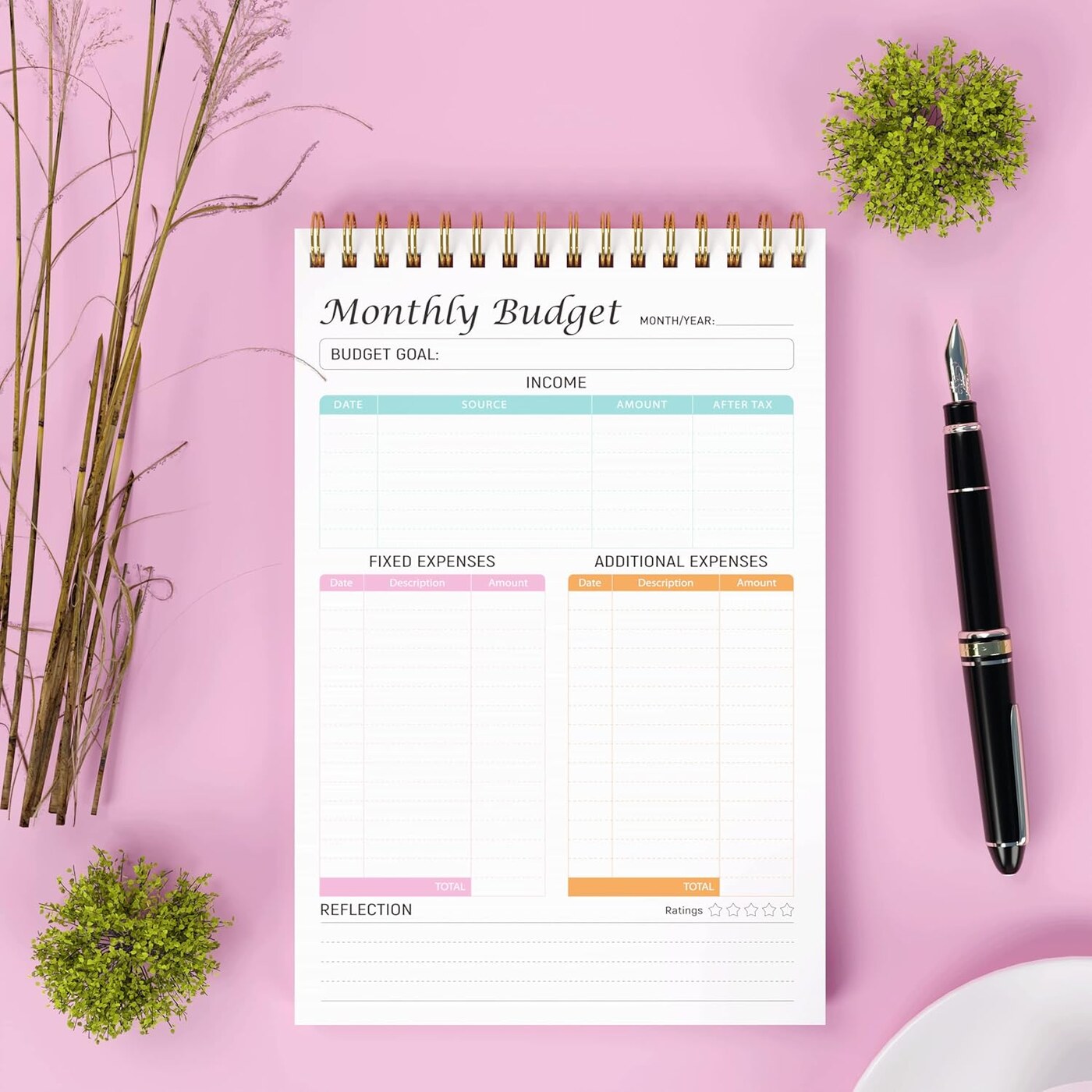
- A dedicated pot. Whether it's a sub-account, a prepaid marketplace balance, or just a strict ledger line, the skin budget should be visibly separate from ordinary money. Cash marketplaces make this natural — you deposit to a venue balance and the bot or you spends from it. When the pot is empty, the buying stops; refilling it is a deliberate act, not a drift.
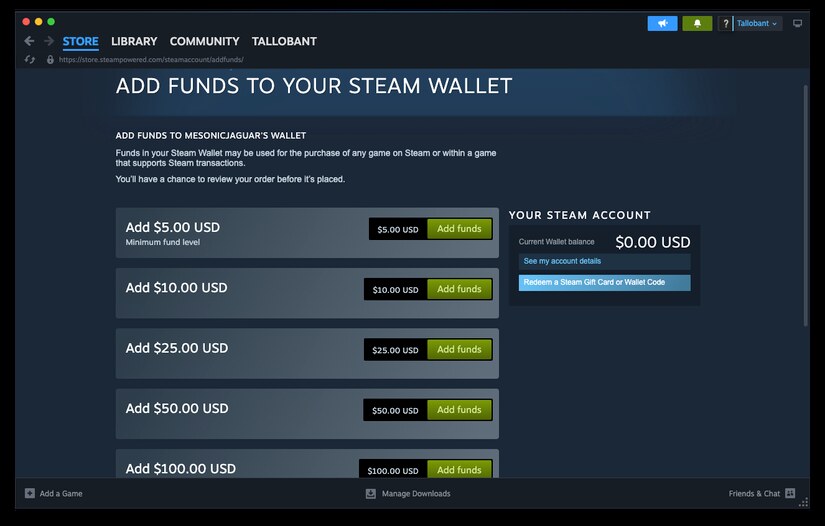
- Know that Steam wallet money is already spent. Funds in the Steam ecosystem cannot be withdrawn as cash — Steam wallet dollars are not dollars. Budgeting must happen before money crosses that line. Value locked in Valve's ecosystem should be counted, mentally and in your ledger, at a discount to cash.
- One-way flows by default. Money flows from entertainment budget to skin sleeve on a schedule. It never flows the other way to "top up" a bad month, and the sleeve never borrows from next month. If you're tempted to break either rule, the budget was set too high — lower it.
If you automate the buying, the separation gets enforced by software instead of willpower: a per-day budget cap is a spending law the bot physically cannot break, and a hard monthly ceiling above it catches configuration mistakes. The cap isn't just bot safety — it's your budget, compiled.
Sizing errors people actually make
Four patterns account for most of the wreckage in this hobby's forums:
- Sizing to the winners. Someone sees a chart of a case that 10x'd and sizes their budget to the regret of having missed it. Charts of winners are survivorship in graph form; size to the crashes instead.
- Escalating after wins. A green first year feels like evidence the budget should triple. But the market didn't get safer because you did well — escalate slowly, on schedule, as income grows, not as euphoria does. Scaling up is its own discipline.
- Escalating after losses. The gambler's version: doubling the budget in a drawdown to "average down faster." Averaging down is what the ordinary schedule already does; increasing exposure because you're losing is how entertainment money quietly stops being entertainment money.
- Counting the sleeve as savings. If the skin stack appears in your mental retirement math, the sizing has failed even if the number is small. It's a high-risk collectibles position in a market still arguing about whether it's an asset class. Let it surprise you to the upside; never let it be load-bearing.
The rule that makes every other rule work
Almost everything else written on this site — schedules, caps, risk management, holding through winters, exiting on rules — silently assumes the budget was sized survivably. Get sizing right and every later mistake is recoverable: a bad case pick costs a slice of entertainment money, a crash becomes an accumulation window, a dead thesis is a config edit. Get sizing wrong and no downstream discipline can save you, because the market will eventually hand you a month that forces the question, and forced questions get answered at the worst prices. Size it like entertainment. Then run it like an investor.