
Balance Alerts: Never Let the Bot Starve
The most common way an automated buying plan dies isn't a crash, a ban, or a market collapse. It's rent. The marketplace wallet quietly runs dry, the bot starts logging "insufficient funds" instead of purchases, and nobody notices for two weeks. The failure is silent by default — so the fix is to make it loud.
Starvation is the boring apocalypse
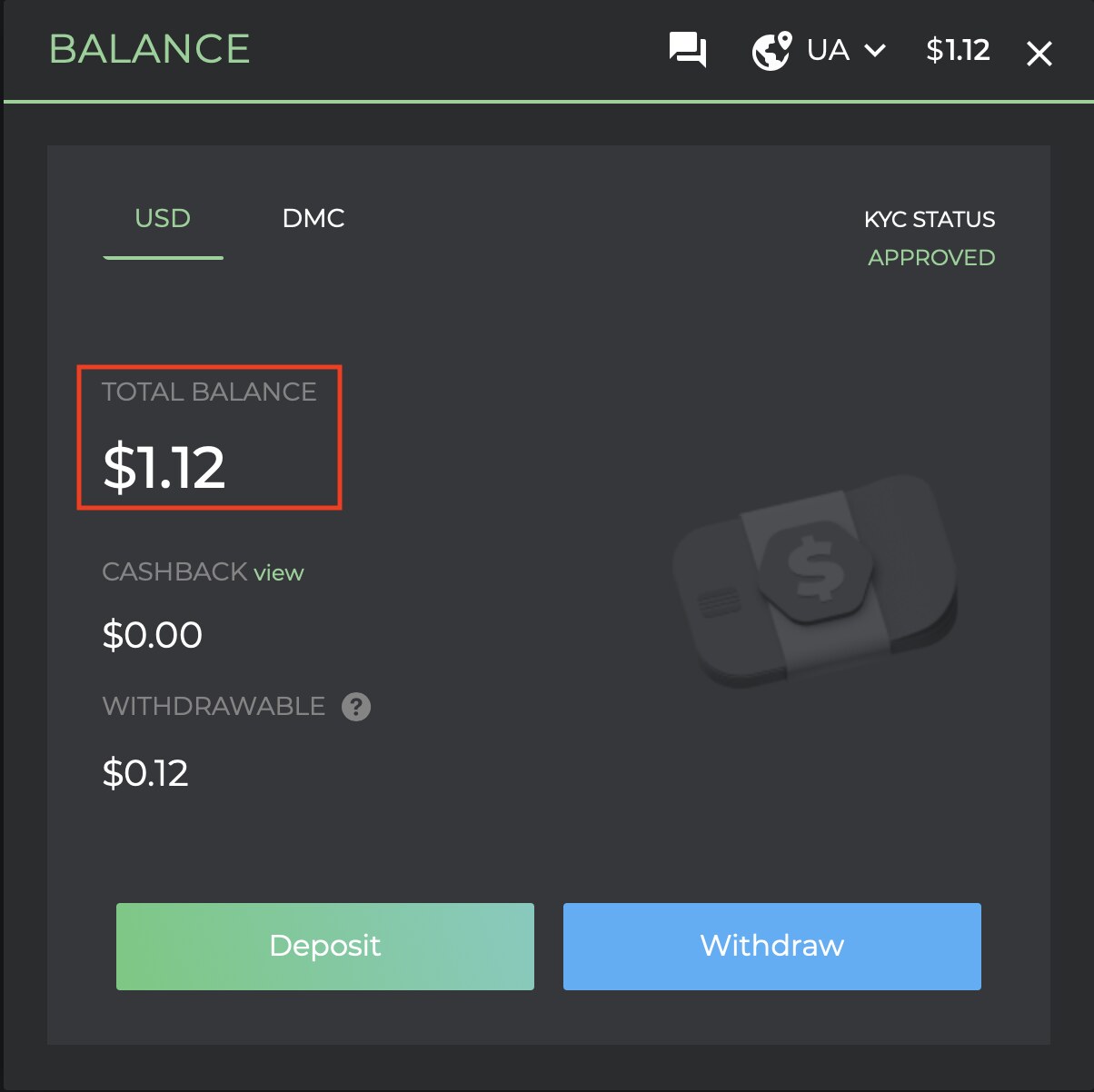
Cash marketplaces like DMarket and SkinBaron work on deposited balances: you top up a wallet, and purchases draw it down. That's fine when you're clicking buttons yourself — you can see the number. But an automated buyer draws the balance down a little every day, on schedule, without you watching. Twenty dollars a day is roughly six hundred a month; whatever you deposited, there is a precise, computable morning on which it stops being enough.
What makes this failure nasty is its silence. Nothing is broken. The scheduler fires, the script runs, the prices load — and the purchase step returns "insufficient balance" and moves on. If your only signal is the absence of buys, you'll discover the gap when you eventually read a report carefully, or worse, when you check your cost basis months later and find a hole in the accumulation curve.
And the hole costs more than it looks. The whole argument for daily buying is continuity — entry smoothing works because you're in the market on the red days you'd never have picked by hand. A two-week starvation gap that happens to overlap a dip is precisely the failure DCA was supposed to prevent, delivered by your own plumbing. Streak-keeping isn't a gamified nicety; it's the mechanism.
Alert on the forecast, not the zero
A naive alert fires when the balance hits zero. That's a post-mortem, not an alert — you've already missed a run by the time you read it. The useful signal answers a forward-looking question: "Can every wallet cover its next scheduled run?"
Computing that takes three ingredients a well-built bot already has:
- Tomorrow's intended spend. The bot knows its plans — daily budgets, plus any standing orders coming due, like a weekly one-case buy that's larger than a normal day.
- Where that spend will land. A buyer that routes each item to the cheaper of two venues can't know the exact split in advance, so the honest forecast is conservative: assume each wallet might need to cover its plausible share, and flag either one that can't.
- Currency conversion. One venue may hold euros while your budget thinks in dollars. A balance check that compares raw numbers across currencies will happily tell you €15 covers a $19 run. Convert at a real daily rate first — the same discipline that matters for fair EUR pricing applies to solvency math.
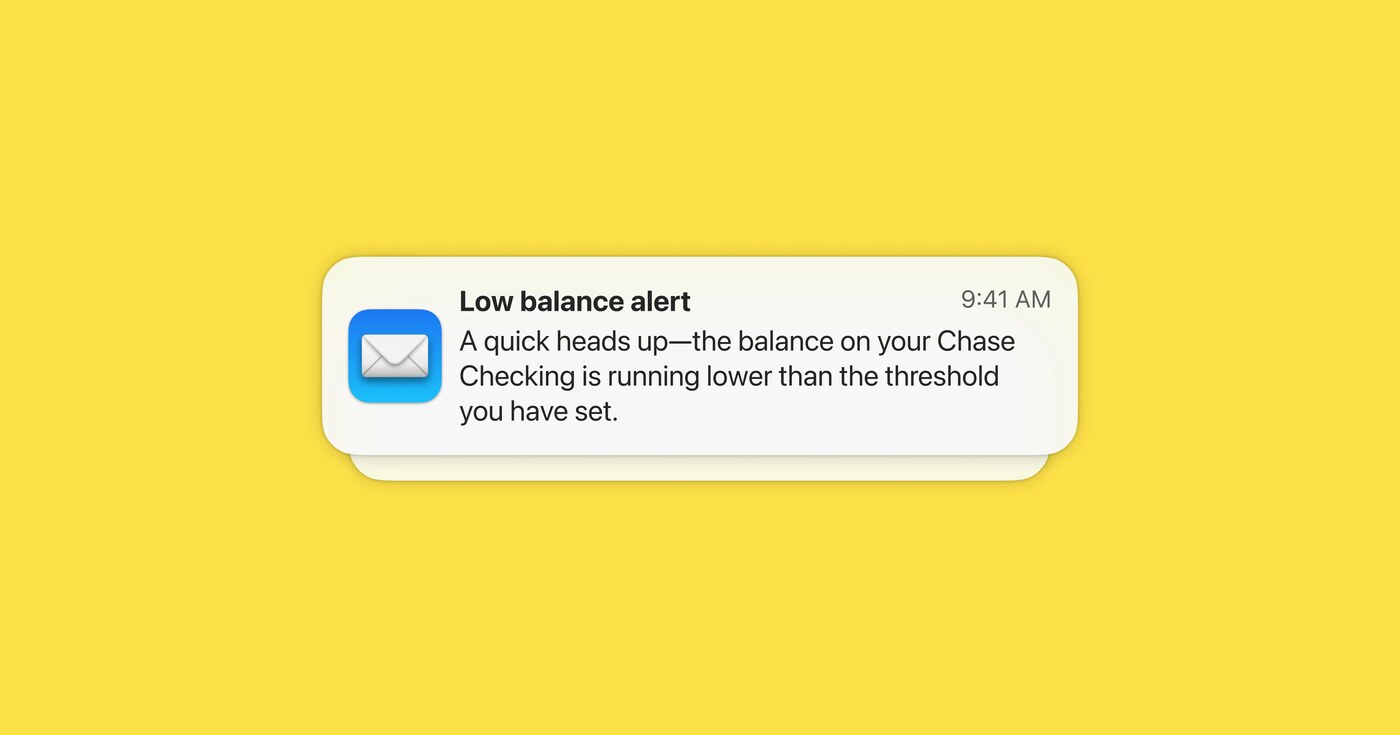
When the forecast fails, send the email that evening: which wallet, current balance, expected next-run cost, and roughly how many days of runway remain at the current burn rate. A runway number turns the alert from an alarm into a calendar item — "top up DMarket in the next three days" is an errand; "the bot has been dead since the 4th" is a failure report.
One of three emails, and the least skippable
cs2stack sends three kinds of email: the daily buy report, a periodic performance summary, and the balance alert. Of the three, the balance alert is the only one that demands action — the other two are information you can batch-read on Sunday. That's a deliberate hierarchy, covered in the three emails an investing bot should send: alerts that fire rarely and mean something get acted on; alerts that fire daily get filtered, then ignored, then missed when they matter.
The same logic says what a balance alert should not do: fire every day the balance is merely "lowish," nag about wallets with no scheduled spending, or bury the runway number under a marketing footer. One trigger — next run not covered, or runway under a small threshold — one email, one action.
Starvation's cousins
Two adjacent failure modes deserve the same treatment, because from the outside they look identical — the buys just stop:
- The scheduler didn't fire. Cloud cron jobs misfire more than anyone advertises. The defense is a "heartbeat" expectation: if no run happened by its usual hour, that's alert-worthy even with a full wallet. More in why your bot missed a day.
- Everything got skipped. If every item blew through its max-price line, the run completes having bought nothing — legitimately. The daily report should say "0 buys, 5 skips, over max price" loudly enough that you can tell disciplined ceilings apart from an empty wallet at a glance. Reading your buy report covers the difference.
A useful weekly habit stitches this together: confirm money actually moved (ledger), confirm it moved for the right reasons (report), confirm it can keep moving (balances). Thirty seconds, three glances, and the streak that makes a hundred days of DCA add up to something stays unbroken.
Automation removes the daily decision, and that's its gift. But it also removes the daily glance, and the balance alert is how you get the glance back without the chore. Feed the bot before it starves; it will never remind you politely on its own unless you build the reminder in.