
Diversifying Inside a Skin Portfolio (and Its Limits)
"Don't put it all in one case" is good advice with a ceiling on it. Spreading across five cases genuinely protects you from some risks — and does absolutely nothing against others. Knowing which is which is the difference between diversification and the comforting illusion of it.
What correlation means here
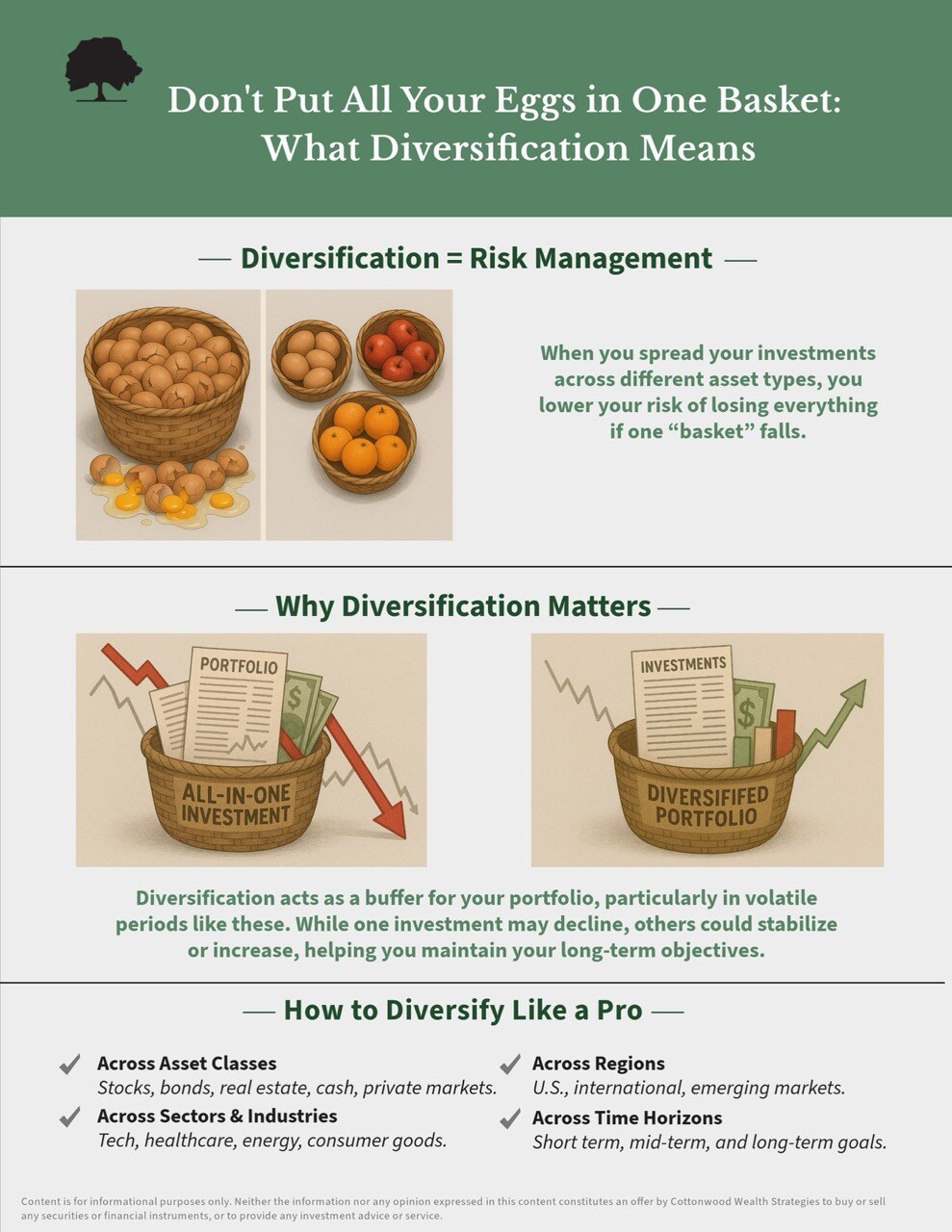
Correlation is just the tendency of two prices to move together: near 1 means they rise and fall as one, near 0 means they're unrelated. Diversification works exactly to the extent that your holdings are not perfectly correlated — one thing zigs while another zags, and the portfolio's swings are milder than any single position's.
Inside the skin market, correlations are real but incomplete. Different cases have different owners, different knife pools, different supply ages, and different hype cycles. In quiet markets they wander semi-independently, per third-party price trackers: a new case bleeding through its post-launch slide while a discontinued classic grinds up. That gap between their paths is harvestable — it's what makes holding several cases smoother than holding one.
The diversification that actually works
Within the market, you can spread along four genuinely different axes:
- Across supply eras. A floor-hugging modern case and a scarce discontinued one respond to different forces — one is pinned by unboxing demand, the other driven by attrition. The trade-off is mapped in cheap actives vs classics, and mixing tiers deliberately — cheap fillers under pricier anchors — is the whole idea of a case ladder.
- Across item types. Cases, sticker capsules, and pinned-down liquid skins have historically had different demand engines — unboxers, collectors, players. Different engines, imperfect correlation. See the broader diversification guide.
- Across venues. Not a price hedge but a counterparty one: holdings and balances split across marketplaces mean no single platform failure freezes everything. Venue risk is the quiet one people remember only after an incident.
- Across time. Buying on a schedule diversifies your entry price across months of market conditions — arguably the most reliable diversification available here, and the one automation does best.
How many cases is enough? The marginal benefit falls fast. Going from one case to three or five removes most of the idiosyncratic, single-case risk — a specific knife pool falling out of fashion, one case getting a reissue. Going from five to fifteen mostly adds bookkeeping. The worked example in one case or five lands where most practitioners do: a handful, weighted simply — an equal split unless you have a real reason otherwise, because uneven weights smuggle a forecast into the portfolio, and forecasts are exactly what this strategy exists to avoid needing.
The ceiling: when everything correlates to 1
Now the limit. All of those items live inside one game, run by one company, on one platform. When Valve ships a structural update, the correlations between your carefully diversified holdings converge toward 1 overnight — everything moves together, because the same event repriced the rules they all live under.
The October 2025 trade-up update is the cleanest recent example: by letting five Covert skins convert into a knife or gloves, one patch note repriced Coverts (up, within days of the announcement) and knife values (violently) across every collection at once. It didn't matter which five cases you held — the update touched the knife pool economics of all of them simultaneously. The post-mortem is in the 2025 trade-up crash, and the general pattern — every major update moves the whole market — in how updates move markets.
Finance has a name for this: systematic risk, the risk you cannot diversify away because it's baked into the system itself. In equities, the system is the economy. In skins, the system is Valve — its patch notes, its drop pools, its marketplace rules, its continued interest in the game. Five cases protect you from a bad case. Nothing inside the market protects you from a bad update. That's single-publisher risk, and it's irreducible from the inside.
The honest conclusion: diversify outside too
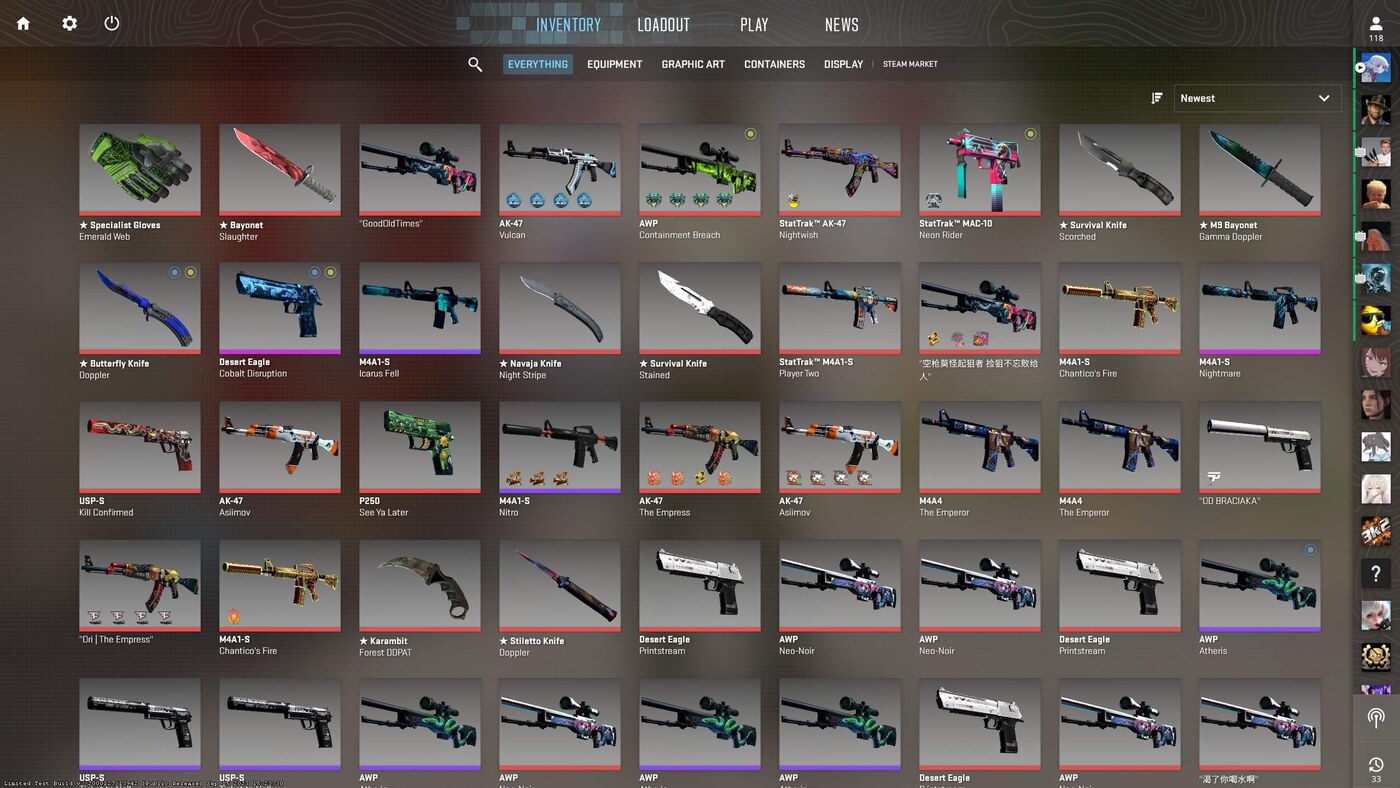
Which leads to the answer no skin-market site profits from giving you: the most important diversification decision is how much of your money is in skins at all. Inside-the-market diversification tunes the ride; the allocation to the market itself decides whether a worst-case update is an annoyance or a disaster. The practitioners' rule is blunt — skins are a satellite position funded with entertainment money, sitting alongside boring assets that don't care what Valve ships. The comparison with conventional assets is made honestly in case stacking vs stocks.
A sane structure, then, has three floors. Outside: most of your net worth in things uncorrelated with a video game. At the border: a capped skin allocation you could lose entirely without changing your life. Inside: a handful of cases across supply eras, maybe some capsule or skin exposure, split across venues, accumulated on a schedule. Diversification inside the market is genuinely worth doing — it smooths the quiet months, which are most months. Just never mistake it for protection against the loud ones.
A final practical note: rebalancing inside a small portfolio should be rare and cheap. With round-trip fees on every venue, constantly trimming winners to restore target weights burns edge; most stackers rebalance with new contributions instead — directing the next month's buys toward whatever drifted underweight — and touch existing positions almost never. Diversification is a structure you set, not an activity you perform.